London is a city that never feels the same twice. Every season brings a fresh energy—new festivals, exciting events, and experiences that transform the city into something completely different. If you’re planning a trip and wondering about the best things to do in London this season, you’re in the right place.
Why Visit London This Season?
London is always iconic, but this season there’s a particular energy in the city that makes it feel especially alive. Streets are filled with performers, parks are more active, and the cultural calendar is packed with events that bring together locals and visitors in the same shared spaces. The blend of history and modern culture is what makes London such a unique place to explore.
What makes the city special right now is the way these experiences align with the time of year. Depending on whether you visit in spring, summer, autumn, or winter, the city offers a different rhythm. In warmer months, the focus is often on outdoor festivals, open?air cinema, and long daylight hours that make it easy to fit a lot into one day. In cooler months, the city shifts toward cozy indoor spaces, festive lights, and smaller, more intimate gatherings.
Another big part of the appeal is variety. London is big enough to have something for every kind of visitor. Families can find parks, interactive museums, and kid?friendly shows. Couples can enjoy riverside walks, fine dining, and theatre. Solo travellers often find the city easy to explore because of the clear public transport network and the number of public events and walking routes. This mix means that a short trip can feel just as rewarding as a longer one.
If you’re building a broader UK?focused travel series, this London piece pairs naturally with a guide on Edinburgh experiences. Readers who enjoy this kind of city?trip content often also respond well to the things to do in Edinburgh series, which covers the city’s major attractions and historic highlights. That connection helps create a stronger content cluster for “things to do in UK cities” while keeping the anchor text varied and natural.
Weather, Crowd & Travel Tips
Seasonal planning is one of the most important things you can get right when visiting London. The weather and crowd levels change a lot throughout the year, and that affects how the city feels on the ground. Spring and summer are usually the most comfortable seasons for outdoor activities. Temperatures are milder, the days are longer, and there are more open?air events, parks, and outdoor dining options. That makes these months very popular with visitors, so you can expect slightly bigger crowds around major attractions.
Autumn brings cooler air and softer light, which many people enjoy for walking and photography. It’s also a good time if you want to avoid the heaviest peak?season tourists while still having pleasant conditions. Winter is colder and darker, but it has its own charm, especially around the holiday season when the city is full of lights, Christmas markets, and festive events. The trade?off is shorter daylight hours, so planning around daylight can make a big difference.
Crowds tend to be densest around major landmarks, big events, and long weekends. If you want a quieter experience, try visiting in the mornings before the main tourist hours, or aim for a weekday rather than a weekend. Booking key attractions and shows in advance can help you avoid long queues and gives you more control over your schedule. London’s public transport system is also very efficient, so using trains, tubes, and buses is usually the best way to move around rather than relying only on taxis or private transfers.
Carrying a small day?pack with a light jacket, water bottle, and comfortable shoes helps you stay mobile and prepared for quick changes in weather. Checking the forecast the night before and having a loose plan for the day lets you adapt when something unexpected comes up, whether that’s a sudden rain shower or a spontaneous street performance.
Top Seasonal Events in London You Can’t Miss
London’s event calendar is one of the biggest reasons people keep coming back. Depending on when you travel, you may find major fashion moments, music festivals, sporting events, theatre seasons, and public parades happening all at once. These events give the city a feeling of motion and excitement that can change the tone of your trip.
One of the strengths of London is that many events feel accessible even if you’re not a fan of a specific genre. Street performances, open?air screenings, free exhibitions, and pop?up installations all add to the sense of the city being alive. You don’t always have to buy a costly ticket to feel the energy.
Some of the biggest events overlap with specific seasons. Summer often brings large?scale outdoor music festivals, street fairs, and open?air cinema nights. Spring and autumn can host major cultural exhibitions, theatre openings, and community?driven happenings. Winter is when the city shifts toward festive lights, Christmas markets, and special events that feel cozier and more intimate.
If you’re planning your trip around specific dates, it’s worth checking the general event calendar for the month you’re visiting. That way you can adjust your itinerary to match the biggest happenings and avoid clashes with transport closures or sold?out shows. When you schedule your days with a bit of flexibility, events become part of the experience instead of something that feels like extra work.
Cultural & Art Events in London
London has one of the most active cultural scenes in Europe, and that shows up in its theatres, museums, galleries, and performance spaces. The West End remains one of the city’s biggest draws, with long?running musicals and major productions that attract visitors from around the world. Live theatre is an easy way to make an evening feel special, and many shows remain available even at short notice through official channels.
Art lovers also have a lot to explore. Major institutions often host temporary exhibitions that change the experience if you’ve visited before. Pop?up installations, independent galleries, and street art help expand the cultural scene beyond the big museums, which makes it easy to add something new and current to your itinerary.
One of the best things about London’s cultural calendar is how spread out it is. You can spend the morning at a classical museum, the afternoon at a contemporary art space, and the evening at a small theatre or live?music venue. That mix of traditions makes it easier to keep your days feeling varied rather than repetitive.
For many visitors, combining a cultural activity with a shorter walk or a meal in the same neighbourhood can make the day feel more grounded. Whether you’re visiting a world?famous gallery or a tucked?away exhibition space, the key is to leave time to absorb what you’ve seen and not rush into the next attraction.
Family?Friendly Events
London is an excellent city for families because it has so many activities that are both fun and educational. From interactive museums and science?based attractions to outdoor parks and child?friendly shows, there’s usually something that works for a wide age range. This makes it easy to plan a trip that keeps everyone engaged without feeling too rigid or exhausting.
A big advantage for families is that many of the city’s major museums are free, which helps keep costs down. The galleries and history spaces often have activities or trails specifically designed for children, so you can give kids a way to engage with the exhibits that feels more like a game than a traditional tour. The city’s parks also provide a balance of structure and freedom—children can run around, adults can relax, and you can still fit in a packed lunch or ice?cream stop.
Seasonal programming is another strong point. During school holidays, many museums and cultural venues offer special workshops, themed events, and temporary exhibitions that focus on younger audiences. If you’re traveling with kids, anchoring your trip around one or two headline attractions and leaving the rest of the day a bit looser usually works best.
For younger children, short sightseeing stints, open?air play areas, and simple cafés with high chairs can make the city feel much more manageable. For older kids and teens, attractions that mix history, science, or technology with interactive elements can keep their interest through a full day of exploring.
Best Festivals in London This Season
London’s festival scene is broad enough to cover music, food, culture, and community celebration. Festivals are one of the easiest ways to feel the city’s personality in a short time because they bring together locals, visitors, and performers in a shared environment. The atmosphere changes with the type of festival, but the sense of energy stays the same.
Music festivals and concerts are especially prominent. Open?air shows, band performances, and DJ?led events keep the city’s sound?system culture alive. These are often paired with warm weather or larger public celebrations, which makes them a natural fit for a summer trip but can also appear in other seasons through indoor venues and curated series.
Food and drink festivals are another major draw. Street food events, tasting fairs, and seasonal markets let you sample a wide range of cuisines in one place. These are ideal for travelers who want variety and a more casual dining experience. Many of these events also include live music or small stalls that sell gifts and souvenirs, which adds to the festive atmosphere.
Cultural and community?led festivals help show London’s diversity. Parades, neighbourhood celebrations, and themed events often highlight specific communities and traditions. These gatherings are a good reminder that the city is made up of many smaller cultures that coexist and interact in interesting ways.
Must?See Attractions in London (Seasonal Highlights)
London’s iconic landmarks remain a big part of what makes the city famous. Big Ben, the Tower of London, and Buckingham Palace are instantly recognizable and are often the first images people think of when they imagine London. Even if you’ve seen similar places before, being in the city and standing next to these landmarks can still feel special.
Beyond the main sights, the city’s museums and galleries offer a quieter but equally important way to experience the city. The British Museum and the National Gallery are two of the most well?known spaces, and they often have free permanent collections that make them easy to fit into almost any itinerary. These institutions work well as a slower part of the day when you want to step away from the busier streets and take some time to absorb history and art.
Parks are another major part of the city’s appeal. Hyde Park, Regent’s Park, and similar green spaces give you a change of pace and a place to relax. You can walk, picnic, rent a boat, or simply sit and watch the world go by. These spots are especially useful if you want to balance busy sightseeing days with moments of calm.
Seasonal elements can change how you experience these places. For example, a park in summer may feel like a place for picnics and people?watching, while the same park in winter may feel more still and peaceful under softer light. Planning your sightseeing around the time of day and the weather helps you get the most out of each visit.
Photo?Friendly Spots and Views
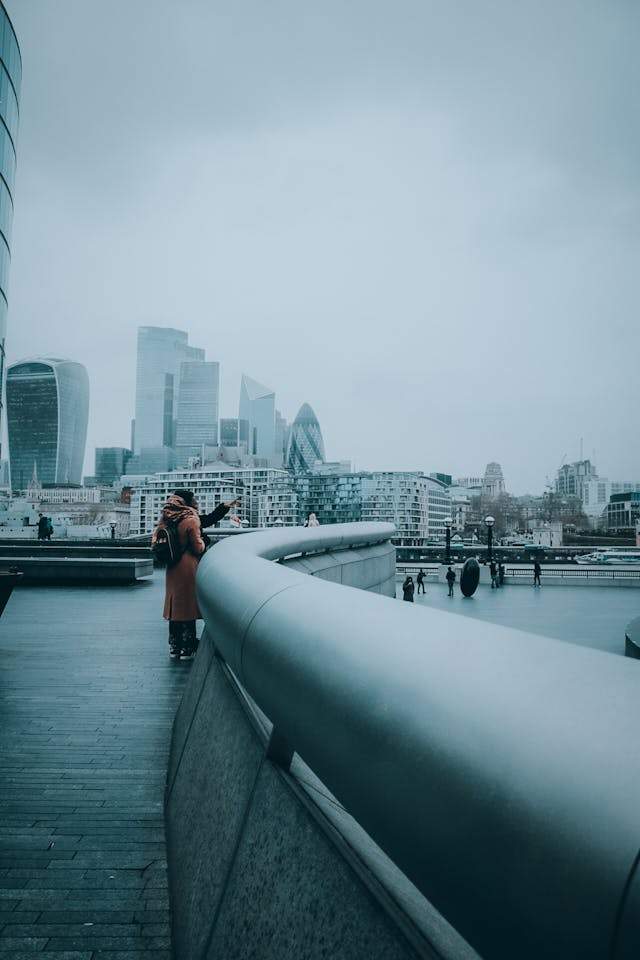
London is full of photo?friendly spots, but the best ones are often discovered when you slow down and pay attention to light, architecture, and reflections. Classic viewpoints like the London Eye, Tower Bridge, and the Thames riverfront give you strong, recognizable shots, while quieter streets and back alleys can offer more atmospheric, candid moments.
Riverside walks and bridges are especially good for evening photography because the city lights and reflections on the water create a dramatic effect. Rooftop bars and observation decks also offer wider skyline views, though they usually come with a fee or a purchase requirement. If you’re traveling on a budget, sticking to free viewpoints and well?known bridges can still deliver excellent results.
For many photographers, the best images come from a mix of wide?angle shots and tighter details. Capturing cobblestone streets, street signs, shop windows, and small architectural features can give your trip photos a more grounded feel than just capturing the same famous landmarks everyone takes.
Planning your photo?stops around the time of day is also helpful. Early morning light often feels soft and even, while the hour before sunset gives you a warm, golden tone. If you’re carrying a camera or using a phone with a good lens, building a small shooting route around key areas can make your day feel more intentional and creative.
Night Experiences & City Views
London transforms at night, and that shift is part of what makes the city so special. The streets feel livelier, the lights are more prominent, and the atmosphere becomes more cinematic. Night cruises, riverside walks, illuminated landmarks, and rooftop views all give you a different way to experience the city after dark.
Even if you’re not planning a full night?out experience, the city still has a lot to offer. You can enjoy a quiet walk along the river, try a meal at a restaurant with a view, or take in