
Food is one of the best reasons to visit the Caribbean. Every island has its own traditions, flavours, and signature recipes, shaped by centuries of cultural influences from Africa, Europe, India, China, and the Indigenous peoples who first called the region home.
The result is a cuisine that feels incredibly diverse. You can enjoy spicy grilled meats in Jamaica, Indian-inspired street food in Trinidad, seafood platters in the Bahamas, and hearty one-pot meals in Grenada, often within the same trip.
For travellers, Caribbean food offers much more than resort buffets and beachside cocktails. Local markets, roadside food stalls, family-run restaurants, and neighbourhood cookshops often provide the most memorable meals at surprisingly reasonable prices.
Whether you’re planning a Caribbean holiday or simply want to learn more about the cuisine of the Caribbean, this guide covers the traditional dishes, drinks, desserts, and dining experiences worth seeking out.
What is Caribbean food?
Caribbean food refers to the wide variety of culinary traditions found throughout the Caribbean islands. While each island has developed its own distinctive recipes, many Caribbean dishes share common ingredients and cooking techniques.
You’ll frequently find:
- Rice and peas
- Plantains
- Cassava
- Sweet potatoes
- Coconut milk
- Fresh seafood
- Tropical fruits
- Scotch bonnet peppers
- Herbs and spice blends
What makes Caribbean food unique is the way different cultures have influenced local cooking. African cooking traditions, European ingredients, Indian spices, Chinese techniques, and Indigenous foods have all contributed to what is now known as Caribbean cuisine or West Indian food.
The history of Caribbean cuisine
The cuisine of the Caribbean tells the story of the region itself.
Before European arrival, Indigenous communities such as the Taíno and Carib peoples cultivated cassava, peppers, sweet potatoes, and maize. Many of these ingredients remain important today.
African communities brought agricultural knowledge, cooking techniques, and ingredients that continue to shape island cuisine. Later, European settlers introduced livestock, wheat, and new cooking styles.
During the nineteenth century, workers from India and China arrived throughout parts of the Caribbean, particularly Trinidad and Guyana. Their influence can still be seen in dishes such as roti, curry goat, and various noodle-based meals.
Today, Caribbean food reflects centuries of cultural exchange while remaining deeply connected to local ingredients and traditions.
What makes Caribbean food unique?
While every island has its own identity, several characteristics define Caribbean meals:
Fresh local ingredients
Many dishes rely on ingredients grown or caught nearby, including seafood, tropical fruits, vegetables, and herbs.
Bold seasoning
Caribbean cooking is known for flavour rather than simply heat. Spice blends often include thyme, allspice, garlic, ginger, onions, and peppers.
One-pot cooking
Hearty stews and rice dishes remain popular because they are filling, practical, and packed with flavour.
Cultural diversity
Few cuisines in the world reflect as many cultural influences within a relatively small geographic area.
25 traditional Caribbean dishes you must try
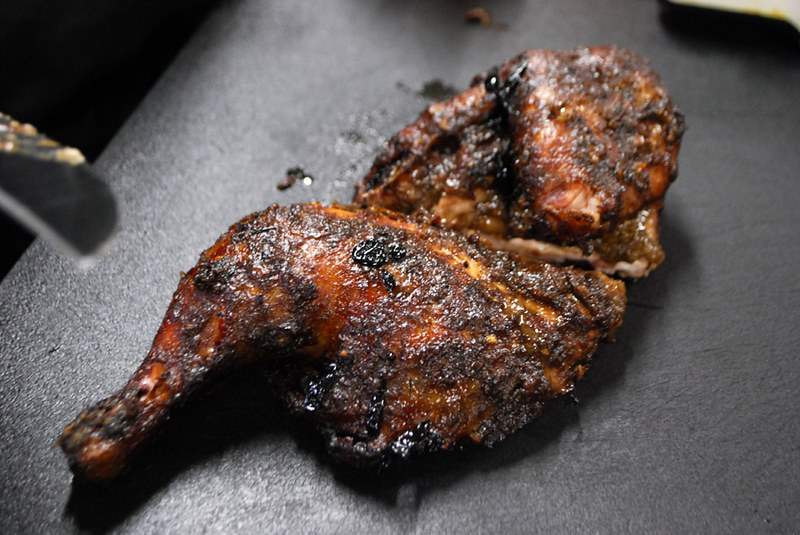
1. Jerk chicken (Jamaica)
When most people think of Caribbean food, jerk chicken is usually the first dish that comes to mind. This iconic Jamaican meal has become popular around the world, but nothing quite compares to eating it fresh from a roadside grill in Jamaica.
Jerk refers to both a seasoning blend and a cooking method. Chicken is marinated in a mixture of allspice, thyme, garlic, ginger, spring onions, and Scotch bonnet peppers before being slow-cooked over pimento wood. The result is smoky, spicy, and deeply flavourful.
What makes authentic jerk chicken special is the balance between heat and seasoning. While Scotch bonnet peppers provide a fiery kick, the allspice and herbs create a complex flavour that goes far beyond simple spiciness.
Visitors will find jerk stalls and restaurants throughout Jamaica, particularly around Montego Bay, Ocho Rios, Kingston, and along the island’s north coast. Many locals recommend seeking out roadside jerk centres rather than resort restaurants, as these often provide a more authentic experience at a lower price.
Jerk chicken is commonly served with festival, a slightly sweet fried dough, alongside rice and peas or roasted breadfruit.
2. Ackee and saltfish (Jamaica)
Ackee and saltfish is Jamaica’s national dish and one of the most distinctive Caribbean meals you can try.
At first glance, ackee resembles scrambled eggs, but it is actually a tropical fruit native to West Africa. When combined with salted cod, onions, tomatoes, sweet peppers, and herbs, it creates a surprisingly rich and savoury dish.
The story behind ackee and saltfish reflects Jamaica’s history. Ackee was brought from West Africa, while salted cod arrived through colonial trade routes. Over time, the two ingredients became inseparable and evolved into a dish that many Jamaicans consider a symbol of national identity.
The flavour is mild, buttery, and comforting rather than spicy. First-time visitors are often surprised by how delicate the dish tastes.
Although commonly served at breakfast, ackee and saltfish can be enjoyed throughout the day. It is often accompanied by fried dumplings, roasted breadfruit, boiled green bananas, or yam.
For travellers interested in exploring traditional Jamaican cuisine, this dish provides an excellent introduction to the island’s food culture.
3. Curry goat (Jamaica and Trinidad)
Curry goat demonstrates the strong Indian influence found throughout parts of the Caribbean, particularly in Jamaica and Trinidad and Tobago.
The dish features goat meat slowly cooked with curry powder, garlic, onions, ginger, and various spices until it becomes exceptionally tender. The long cooking process allows the flavours to develop while softening the meat.
Unlike many Indian curries, Caribbean versions often have their own distinctive spice blends and cooking techniques. The result is a rich, fragrant dish with layers of flavour rather than overwhelming heat.
In Trinidad, curry goat is frequently served with dhalpuri roti, while in Jamaica it is commonly paired with rice and peas.
You’ll often encounter curry goat at celebrations, family gatherings, weddings, and festivals. Many locals consider it a special-occasion dish, although it is widely available in restaurants and cookshops.
Travellers looking to experience the cultural diversity of Caribbean cuisine will quickly notice how dishes like curry goat reflect centuries of migration and cultural exchange throughout the region.
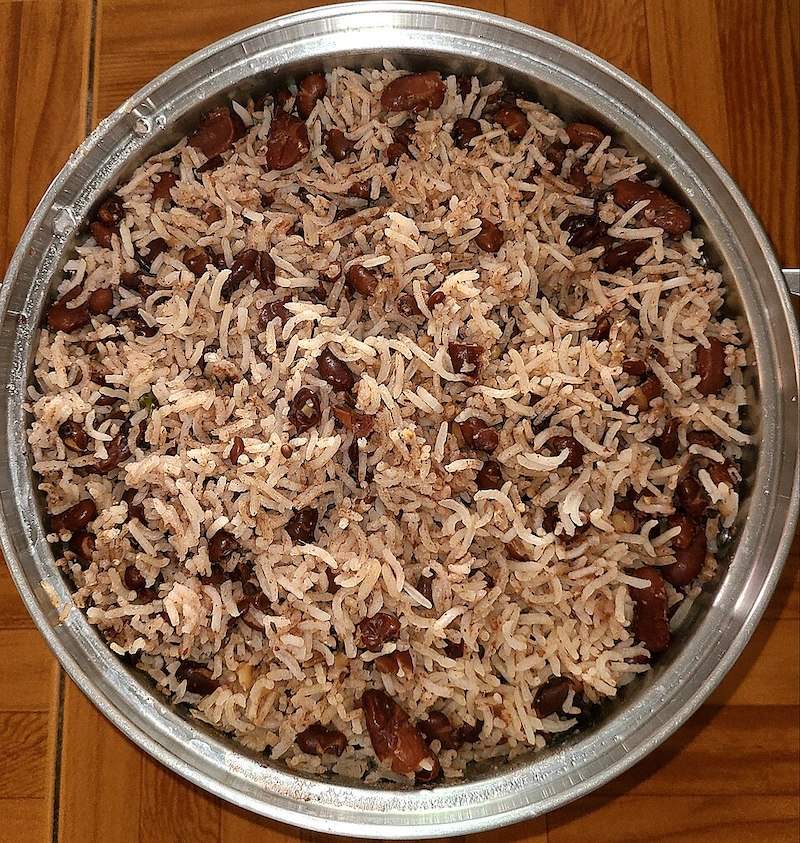
4. Rice and peas
Rice and peas may seem simple, but it is one of the most important dishes in Caribbean cuisine.
Found throughout Jamaica and many other islands, rice and peas is often served alongside jerk chicken, curry goat, stewed meats, seafood, and countless other Caribbean dishes.
Despite the name, the dish usually contains kidney beans or pigeon peas rather than green peas. The rice is cooked with coconut milk, thyme, garlic, onions, and spices, creating a flavourful side dish that complements richer main courses.
In many Caribbean households, rice and peas forms the foundation of Sunday family meals and festive gatherings.
One reason the dish remains so popular is its versatility. It pairs equally well with seafood, poultry, or vegetarian dishes while remaining affordable and filling.
For budget-conscious travellers, rice and peas often appears as part of excellent-value lunch specials in local restaurants, making it one of the easiest traditional foods to try.
5. Roti (Trinidad and Tobago)
Roti is one of the most beloved examples of West Indian food and a must-try dish when visiting Trinidad and Tobago.
Originally influenced by Indian flatbreads, Caribbean roti has evolved into something uniquely its own. The soft, flaky bread is wrapped around fillings such as curried chicken, goat, beef, vegetables, or chickpeas.
Several variations exist, including dhalpuri roti, which contains ground split peas, and paratha-style buss up shut, known for its soft, shredded texture.
One of the reasons roti remains so popular is its convenience. It is portable, filling, and packed with flavour, making it a favourite lunch option for both locals and visitors.
Travellers often discover that roti shops provide some of the best value meals in the Caribbean. A generously filled roti can easily serve as a complete meal while offering an authentic taste of local culture.
The combination of Indian culinary traditions and Caribbean ingredients makes roti a perfect example of how diverse Caribbean cuisine has become.
6. Doubles (Trinidad and Tobago)
Few street foods are as closely associated with Trinidad and Tobago as doubles.
This popular snack consists of curried chickpeas, known locally as channa, served between two pieces of fried flatbread called bara. The dish is typically topped with tamarind sauce, pepper sauce, cucumber, or various chutneys.
Simple ingredients come together to create something remarkably satisfying. The chickpeas provide richness, while the sauces add sweetness, acidity, and spice.
Doubles are commonly eaten for breakfast, but many people enjoy them throughout the day.
For travellers, doubles offer one of the most affordable and authentic food experiences in the Caribbean. Local vendors can be found on street corners, near markets, and throughout cities and towns.
Ordering doubles is often an experience in itself. Vendors may ask whether you want them slight, medium, or pepper-heavy, allowing you to customise the heat level.
Many visitors consider doubles one of the best-value foods in the Caribbean and an essential part of any Trinidad itinerary.
7. Callaloo
Callaloo is one of the most widespread Caribbean dishes, although recipes vary significantly between islands.
The dish is typically made from leafy greens, coconut milk, onions, garlic, herbs, and peppers. Depending on the island, ingredients may also include okra, crab, seafood, pumpkin, or salted meats.
In Trinidad and Tobago, callaloo often takes the form of a thick soup-like dish, while elsewhere it may be served more like a vegetable side.
The origins of callaloo can be traced to West African cooking traditions, which continue to influence many aspects of Caribbean cuisine today.
Despite its humble ingredients, callaloo delivers impressive flavour and nutritional value. It remains a staple in many households and frequently appears alongside grilled fish, rice dishes, and roasted meats.
Travellers seeking a deeper understanding of local food culture should not overlook callaloo, as it represents an important connection between Caribbean and African culinary traditions.
8. Pelau (Trinidad and Tobago)
Pelau is comfort food at its finest and one of Trinidad and Tobago’s most cherished one-pot meals.
The dish combines chicken, rice, pigeon peas, vegetables, coconut milk, and caramelised sugar in a single pot. This cooking method allows all the ingredients to absorb the rich flavours as they cook together.
The caramelised sugar is particularly important, giving pelau its distinctive colour and subtle depth of flavour.
Pelau is often prepared for beach outings, family gatherings, community events, and weekend meals. Its simplicity and ability to feed large groups make it a practical choice for celebrations.
The flavour profile is hearty, slightly smoky, and deeply satisfying.
Visitors looking for traditional home-style Caribbean food will often find pelau served at local eateries and casual restaurants throughout Trinidad and Tobago.

9. Flying fish and cou-cou (Barbados)
Flying fish and cou-cou is widely regarded as Barbados’ national dish and remains one of the island’s most important culinary traditions.
Flying fish, once abundant in Barbadian waters, is usually steamed, fried, or lightly seasoned before being served with cou-cou, a side dish made from cornmeal and okra.
The texture of cou-cou is often compared to polenta, although it has its own distinctive flavour and preparation method.
This dish reflects Barbados’ close connection to the sea and the ingredients that have sustained local communities for generations.
Visitors will encounter flying fish and cou-cou in traditional restaurants throughout the island, particularly those specialising in Bajan cuisine.
For travellers interested in exploring island cuisine beyond internationally known dishes, this meal offers an authentic taste of Barbados and its culinary heritage.
The combination of fresh seafood and comforting cornmeal makes it both simple and memorable, demonstrating how Caribbean food often relies on quality ingredients rather than overly complicated preparation.
10. Conch fritters (Bahamas)
Conch fritters are one of the most popular foods in the Bahamas and are often the first dish visitors encounter when exploring local cuisine. Made from fresh conch meat mixed with peppers, onions, herbs, and seasoning before being deep-fried, these golden bites are a staple at beach bars, seafood restaurants, and local food stalls throughout the islands.
Conch itself is a large sea snail that has long been an important part of Bahamian cooking. The meat has a slightly sweet flavour and a firm texture that works particularly well in fried dishes.
What makes conch fritters appealing is their versatility. They can be served as a snack, starter, or casual meal alongside dipping sauces made from citrus, mayonnaise, or local spices. The crispy exterior contrasts nicely with the tender seafood inside.
For travellers, conch fritters offer an easy introduction to Bahamian food. They are widely available, relatively affordable compared to larger seafood dishes, and easy to sample even if you’re only spending a short time on the islands.
Many locals will tell you that the best conch fritters are found at small family-run establishments rather than larger tourist-focused restaurants. These venues often use freshly prepared conch and traditional recipes passed down through generations.
11. Cracked conch (Bahamas)
Another Bahamian favourite, cracked conch takes the region’s signature seafood and turns it into a hearty main course.
The preparation begins by tenderising conch meat, which is then coated in seasoned flour or breadcrumbs before being fried until crisp and golden. The finished dish is usually served with rice, fries, coleslaw, or peas and rice.
The term “cracked” refers to the process of pounding the conch to soften it before cooking. This step is essential because conch can be quite tough if not properly prepared.
Cracked conch is often compared to fried calamari, although the texture and flavour are noticeably different. The meat is firmer and has a mild sweetness that pairs well with fresh lime juice and spicy sauces.
Visitors exploring the Bahamas will notice that conch appears on menus everywhere. While conch salads and fritters are popular starters, cracked conch is often considered the ultimate way to enjoy this local ingredient.
As with many Caribbean dishes, simplicity is key. Fresh seafood, careful preparation, and straightforward seasoning allow the natural flavours to shine.
12. Oil down (Grenada)
Oil down is Grenada’s national dish and one of the most distinctive meals found anywhere in the Caribbean.
This hearty one-pot dish combines breadfruit, coconut milk, meat, dumplings, vegetables, and spices. Everything is cooked together slowly until the coconut milk reduces and coats the ingredients with rich flavour.
The name comes from the cooking process itself. As the liquid evaporates, the coconut milk leaves behind a slightly oily coating that gives the dish its characteristic appearance.
Oil down reflects the resourcefulness of traditional Caribbean cooking. Historically, families prepared meals using locally available ingredients, creating dishes that were filling, nutritious, and capable of feeding large groups.
Breadfruit plays a particularly important role. Introduced to the Caribbean centuries ago, it remains a staple food across many islands and provides the dish with its hearty texture.
Travellers visiting Grenada often find oil down served at community events, local restaurants, and weekend gatherings. It is considered comfort food by many residents and offers a genuine taste of everyday island life.
For those wanting to understand the cuisine of the Caribbean beyond its most famous exports, oil down provides valuable insight into traditional cooking methods and local food culture.
13. Pepperpot (Guyana)
Pepperpot is one of Guyana’s most celebrated dishes and carries deep cultural significance throughout the country.
This rich meat stew is traditionally prepared using cassareep, a thick, dark sauce made from cassava root. Cassareep not only provides flavour but also acts as a natural preservative, allowing the dish to be stored and reheated over several days.
The stew often includes beef, pork, or mutton alongside cinnamon, cloves, and other warming spices. The combination creates a flavour profile unlike almost any other Caribbean dish.
Pepperpot is particularly associated with Christmas celebrations in Guyana, although it is enjoyed throughout the year. Many families have recipes that have been passed down for generations.
The influence of Indigenous cooking traditions is especially evident in this dish. Long before European settlement, local communities were using cassava as a staple ingredient, and pepperpot remains one of the clearest examples of that heritage surviving today.
Visitors seeking authentic Guyanese cuisine should make an effort to try pepperpot whenever possible. It offers a fascinating glimpse into the country’s unique culinary identity and differs significantly from the foods commonly associated with Caribbean tourism.
14. Cook-up rice (Guyana)
Cook-up rice is another beloved Guyanese dish and a perfect example of how Caribbean meals often combine simple ingredients to create something deeply satisfying.
The dish brings together rice, beans, coconut milk, meat, herbs, and seasonings in a single pot. Depending on the recipe, ingredients may include chicken, beef, pork, salted meat, or seafood.
The beauty of cook-up rice lies in its flexibility. Families frequently adapt recipes based on available ingredients, resulting in countless regional and household variations.
This is often considered a social dish. It is commonly prepared for family gatherings, celebrations, and communal events where large quantities of food are needed.
The coconut milk adds richness while the beans and meat create a filling meal that can easily feed a crowd. Like many traditional Caribbean dishes, cook-up rice developed from practical cooking traditions designed to maximise flavour and nutrition.
Travellers looking for authentic local food experiences often discover that cook-up rice appears on menus at smaller restaurants rather than tourist-focused establishments. It is the kind of meal that locals regularly eat, making it an excellent choice for visitors wanting to experience everyday Caribbean cuisine.
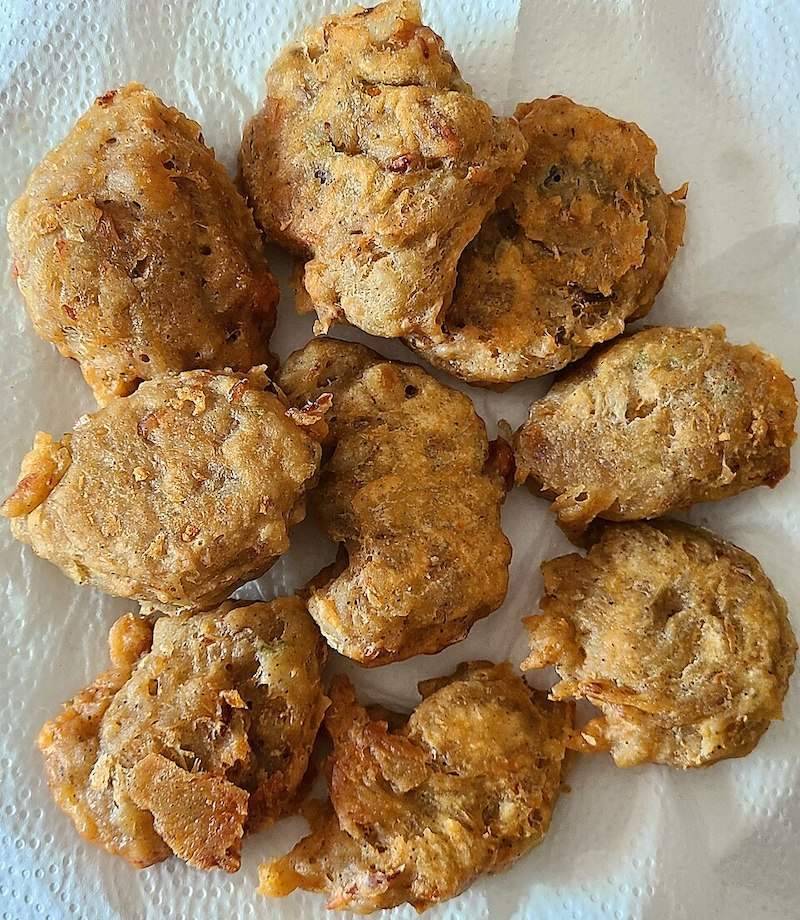
15. Saltfish fritters
Saltfish fritters are among the most widespread Caribbean dishes and can be found across numerous islands under slightly different names and variations.
These savoury snacks combine salted cod with flour, herbs, onions, peppers, and seasonings before being fried into crisp, golden bites.
The popularity of saltfish throughout the Caribbean dates back centuries. Salted cod was a practical source of protein because it could be transported and stored without refrigeration, making it widely available across the islands.
Today, saltfish fritters remain a favourite snack, appetiser, or breakfast item. They are commonly sold at bakeries, markets, roadside food stalls, and local cafés.
Travellers often encounter them early in their Caribbean journey because they are easy to find and affordable to sample. Their crispy exterior and savoury filling make them appealing even to those unfamiliar with Caribbean food.
Although simple in appearance, saltfish fritters tell an important story about the history of Caribbean cuisine and the ingredients that shaped everyday cooking across the region.
16. Escovitch fish (Jamaica)
Escovitch fish is one of Jamaica’s most popular seafood dishes and a favourite among both locals and visitors.
The dish begins with whole fish, often snapper, which is seasoned and fried until crisp. It is then topped with a vibrant mixture of pickled onions, carrots, Scotch bonnet peppers, and vinegar.
The result is a combination of textures and flavours that feels both refreshing and satisfying. The crispy fish contrasts beautifully with the tangy vegetables, while the peppers add a touch of heat.
Escovitch cooking has roots in Spanish culinary traditions, demonstrating once again how the cuisine of the Caribbean has been shaped by multiple cultural influences.
Many Jamaicans enjoy escovitch fish as a weekend meal or special treat. It is particularly popular in coastal communities where fresh seafood is readily available.
For travellers, escovitch fish offers a lighter alternative to some of Jamaica’s heavier meat dishes while still delivering the bold flavours that make Caribbean cuisine so memorable.
It is often served with bammy, fried plantains, or festival, creating a complete meal that showcases several traditional Jamaican foods at once.
17. Goat water (Montserrat)
Despite its unusual name, goat water is a rich, flavourful stew and the national dish of Montserrat.
The dish features goat meat slowly simmered with vegetables, herbs, spices, and sometimes dumplings until it develops a deep, hearty flavour. The long cooking process ensures the meat becomes tender while allowing the ingredients to blend together.
Goat water has been a staple of Montserratian cooking for generations and is frequently served at festivals, community celebrations, and family gatherings.
The dish highlights an important aspect of Caribbean food culture: the ability to transform simple ingredients into comforting, satisfying meals. Traditional recipes often rely on patience and technique rather than expensive ingredients.
Many visitors are initially surprised by the name, expecting something far less appealing than the delicious stew that arrives at the table. Once tasted, however, goat water often becomes one of the most memorable dishes of a trip to Montserrat.
For travellers interested in exploring lesser-known Caribbean culinary traditions, goat water provides a wonderful example of how each island has developed its own unique food identity while still sharing common regional influences.
Like many traditional Caribbean meals, it reflects a strong sense of community, history, and local pride that continues to shape island cuisine today.
18. Fish rundown (Jamaica)
Fish rundown is one of Jamaica’s most comforting traditional dishes and a perfect example of how simple ingredients can create remarkable flavour.
The dish centres around fresh fish, usually snapper, mackerel, or another locally available variety, gently simmered in coconut milk with onions, garlic, tomatoes, thyme, and Scotch bonnet peppers. As the coconut milk slowly cooks down, it thickens into a rich sauce that coats the fish and vegetables.
The term “rundown” comes from the cooking process itself. The coconut milk is allowed to reduce, or “run down,” until it becomes concentrated and intensely flavourful.
Unlike jerk chicken or other spicy Jamaican favourites, fish rundown offers a milder and more delicate flavour profile. The sweetness of the coconut balances the savoury fish beautifully, creating a dish that feels both hearty and refreshing.
Fish rundown is particularly popular in Jamaica’s coastal communities, where access to fresh seafood has shaped local cooking traditions for generations.
Travellers looking to experience authentic Jamaican home cooking should seek out fish rundown whenever possible. While it may not appear on every tourist menu, it remains a beloved local favourite and provides insight into the island’s everyday food culture.
The dish is typically served with boiled green bananas, dumplings, breadfruit, or rice, making it a filling and satisfying meal.
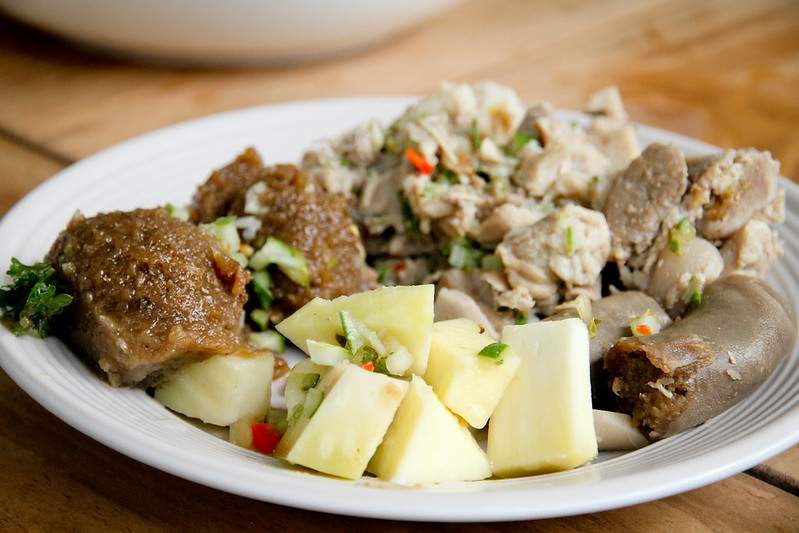
19. Souse (Barbados)
Souse is one of Barbados’ most distinctive traditional foods and a dish that often surprises first-time visitors.
Made from pickled pork combined with cucumber, onions, lime juice, herbs, and seasonings, souse is served cold and delivers a refreshing contrast to many of the Caribbean’s richer dishes.
The preparation process involves marinating the ingredients for several hours, allowing the flavours to blend together. The result is tangy, savoury, and surprisingly light.
In Barbados, souse is frequently paired with pudding, a steamed sweet potato dish seasoned with herbs and spices. Together, pudding and souse form one of the island’s most recognisable traditional meals.
Many Barbadians enjoy this combination on weekends, particularly on Saturdays, when local restaurants and food stalls often prepare large batches.
For travellers interested in experiencing authentic Bajan cuisine, souse offers something completely different from the seafood and grilled meats often associated with Caribbean food.
Its popularity highlights the diversity of Caribbean cuisine and demonstrates how local communities have developed unique dishes using readily available ingredients.
20. Green fig and saltfish (Saint Lucia)
Green fig and saltfish is widely regarded as the national dish of Saint Lucia and remains an essential part of the island’s culinary identity.
Despite the name, “green fig” refers to green bananas rather than figs. The bananas are boiled and served alongside seasoned saltfish cooked with onions, peppers, tomatoes, and herbs.
The combination creates a meal that is both simple and satisfying. The mild flavour of the bananas balances the savoury saltfish, while fresh vegetables add colour and texture.
Like many traditional Caribbean dishes, green fig and saltfish reflects the island’s agricultural history and reliance on locally available ingredients.
Bananas have long played an important role in Saint Lucia’s economy, making their appearance in the national dish particularly significant.
Travellers exploring Saint Lucian cuisine will often encounter green fig and saltfish at local restaurants, family-run eateries, and cultural events.
While the ingredients may seem modest, the dish offers a genuine taste of everyday island life and remains a favourite among residents.
For visitors hoping to understand local food culture beyond resort dining, this is one of the most important dishes to try.
21. Johnny cakes
Johnny cakes are among the most widespread foods in the Caribbean, appearing in various forms across numerous islands.
These simple fried breads are made from flour, baking powder, water, and a small amount of fat before being cooked until golden brown.
The appeal of johnny cakes lies in their versatility. They can be enjoyed at breakfast, served alongside seafood, paired with soups and stews, or eaten as a snack throughout the day.
Different islands have developed their own variations. Some recipes create a slightly sweet bread, while others focus on a savoury flavour profile.
Historically, johnny cakes became popular because they were inexpensive, filling, and easy to prepare using basic pantry ingredients.
Today, they remain a staple of Caribbean cuisine and are often found at local bakeries, roadside food stalls, and family-run restaurants.
For travellers, johnny cakes provide an excellent accompaniment to many traditional Caribbean meals. Their simplicity allows them to complement a wide variety of dishes without overpowering other flavours.
They also offer insight into the practical cooking traditions that helped shape island cuisine over centuries.
22. Bake and shark (Trinidad and Tobago)
Few Caribbean street foods have achieved the legendary status of bake and shark.
This iconic Trinidadian dish features fried shark served inside fried bread known as “bake.” The sandwich is then customised with an impressive range of toppings, including lettuce, tomatoes, cucumber, pineapple, tamarind sauce, garlic sauce, pepper sauce, and various chutneys.
The result is a combination of textures and flavours that feels uniquely Caribbean.
Bake and shark is most closely associated with Maracas Beach, one of Trinidad’s most popular coastal destinations. Many visitors make the journey specifically to sample the dish from one of the beachside vendors.
Part of the appeal lies in the ability to personalise each sandwich. Some travellers prefer a mild version loaded with fresh vegetables, while others embrace the fiery heat of local pepper sauces.
Beyond its flavour, bake and shark has become an important cultural symbol for Trinidad and Tobago. It represents beach culture, local entrepreneurship, and the country’s diverse culinary influences.
For food-focused travellers, enjoying bake and shark at Maracas Beach is often considered a must-have experience.
23. Mofongo (Puerto Rico)
Mofongo is one of Puerto Rico’s most famous dishes and a true icon of Caribbean cuisine.
The dish is made by mashing fried green plantains with garlic, olive oil, and pork cracklings until a dense, flavourful mixture forms. The mashed plantains are then shaped into a mound or bowl and often filled with seafood, chicken, beef, or vegetables.
Plantains play a central role in Caribbean cooking, and mofongo showcases their versatility perfectly.
The dish traces its origins to African culinary traditions brought to the Caribbean centuries ago. Over time, local ingredients and Spanish influences helped shape the version enjoyed today.
Mofongo’s popularity comes from both its flavour and its satisfying texture. The combination of crispy fried plantains and savoury fillings creates a meal that is rich, filling, and memorable.
Visitors to Puerto Rico will find mofongo everywhere, from casual cafés to upscale restaurants. Many establishments have developed creative variations featuring lobster, shrimp, octopus, or slow-cooked meats.
For first-time visitors, mofongo is often considered an essential introduction to Puerto Rican food culture.
24. Pasteles (Puerto Rico)
Pasteles are deeply connected to Puerto Rican family traditions and festive celebrations.
Often compared to tamales, pasteles consist of savoury fillings wrapped inside a dough made from green bananas, plantains, yautía, and other root vegetables. The parcels are wrapped in banana leaves before being boiled.
The preparation process is labour-intensive and frequently becomes a family activity, especially during the holiday season.
Traditional fillings typically include seasoned pork, although modern variations may feature chicken, seafood, or vegetarian ingredients.
Because making pasteles requires significant time and effort, the dish has become closely associated with gatherings and celebrations.
For travellers fortunate enough to visit Puerto Rico during festive periods, pasteles provide an opportunity to experience an important culinary tradition that goes beyond everyday restaurant fare.
The dish reflects the strong sense of family and community that remains central to Puerto Rican culture.
Like many traditional Caribbean meals, pasteles tell a story not only through flavour but also through the customs and rituals involved in their preparation.
 Caribbean food
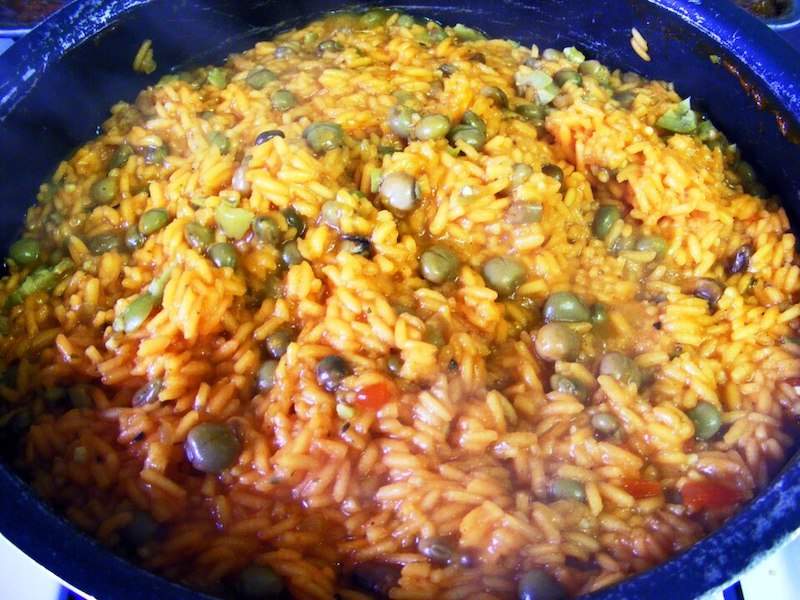
25. Arroz con gandules (Puerto Rico)
Arroz con gandules is often considered Puerto Rico’s most important rice dish and a centrepiece of many celebrations.
The meal combines rice, pigeon peas, pork, sofrito, olives, and seasonings to create a flavourful one-pot dish that appears at family gatherings, holidays, and special occasions throughout the year.
While the ingredients are relatively simple, achieving the perfect balance of flavours is an art form in many households. Recipes are frequently passed down through generations, with each family adding its own personal touches.
The dish demonstrates how Caribbean cuisine transforms everyday ingredients into something memorable. The pigeon peas provide earthiness, while the pork and seasonings create depth and richness.
Visitors exploring Puerto Rican food will encounter arroz con gandules in restaurants across the island, but it is particularly meaningful when enjoyed during local celebrations and cultural events.
Its enduring popularity reflects the importance of communal dining within Caribbean culture, where food often serves as a way to bring families and communities together.
For travellers interested in experiencing the heart of Puerto Rican cuisine, arroz con gandules is a dish that should not be missed.
Why these Caribbean dishes matter
The cuisine of the Caribbean is far more diverse than many visitors initially expect. While dishes such as jerk chicken and mofongo have gained international recognition, they represent only a small part of a rich culinary landscape shaped by centuries of cultural exchange.
From the seafood traditions of the Bahamas and Barbados to the Indian-inspired flavours of Trinidad and Tobago, every island contributes something unique to Caribbean food culture.
What connects these dishes is their reliance on local ingredients, strong community traditions, and a practical approach to cooking that has evolved over generations.
For travellers, exploring Caribbean dishes is one of the most rewarding ways to understand the region. Whether you’re enjoying doubles from a street vendor in Trinidad, sampling oil down in Grenada, or trying green fig and saltfish in Saint Lucia, each meal offers insight into local history, culture, and daily life.
Together, these 25 traditional dishes showcase the remarkable variety that makes Caribbean food one of the world’s most fascinating regional cuisines.
Caribbean street food worth trying
One of the easiest ways to experience authentic island cuisine is through street food.
Not only is it often more affordable than tourist-focused restaurants, but it also provides insight into everyday local life.
Popular options include:
- Doubles in Trinidad
- Jamaican patties
- Bake and shark in Trinidad
- Conch fritters in the Bahamas
- Saltfish fritters throughout the region
- Johnny cakes
- Roasted corn
- Coconut drops
For travellers on a budget, street food can significantly reduce daily food costs while still delivering excellent flavour.
Caribbean desserts and sweet treats
Rum cake
A rich cake infused with Caribbean rum and spices.
Sweet potato pudding
Popular in Jamaica, this dense dessert is often flavoured with coconut and spices.
Coconut drops
Made with coconut, ginger, and brown sugar, these treats are widely available from local vendors.
Guava duff
A Bahamian dessert featuring guava wrapped in dough and served with a sweet sauce.
Tamarind balls
Sweet and tangy snacks made from tamarind pulp and sugar.
Traditional Caribbean drinks
Rum punch
Every island seems to have its own version of rum punch, combining local rum with fruit juices and spices.
Sorrel
Made from hibiscus flowers and spices, sorrel is particularly popular during festive periods.
Coconut water
Fresh coconut water remains one of the simplest and most refreshing drinks available across the Caribbean.
Mauby
Made from tree bark and spices, mauby has a distinctive flavour that visitors often either love or dislike.
Caribbean coffee
Several Caribbean islands produce high-quality coffee, including Jamaica’s famous mountain-grown varieties.
Caribbean food by island
Jamaica
Jamaica is known for jerk chicken, ackee and saltfish, patties, escovitch fish, and rich stews.
Trinidad and Tobago
The islands offer some of the Caribbean’s most diverse cuisine, influenced heavily by Indian traditions. Doubles, roti, curry dishes, and pelau are local favourites.
Barbados
Seafood dominates many menus, particularly flying fish and cou-cou. Visitors should also try pudding and souse.
Bahamas
Conch appears in many forms, from fritters to salads and soups.
Puerto Rico
Puerto Rican cuisine includes mofongo, arroz con gandules, lechón, and pasteles.
Grenada
Known as the Spice Isle, Grenada offers flavourful dishes such as oil down and meals featuring local nutmeg and spices.
Saint Lucia
Green fig and saltfish remains one of the island’s signature dishes.
How much does food cost in the Caribbean?
Food prices vary considerably across the region.
Generally speaking:
- Street food offers the best value
- Local restaurants are usually cheaper than resort dining
- Imported foods tend to be expensive
- Seafood prices vary depending on the island and season
Travellers can often enjoy filling local meals at modest prices when eating where residents eat rather than relying exclusively on tourist areas.
Tips for eating well on a budget
Choose local cookshops
Family-run eateries often provide generous portions and authentic flavours.
Visit local markets
Markets offer fresh fruit, snacks, and regional specialities at lower prices.
Try lunch specials
Many restaurants offer lunchtime menus that cost less than dinner service.
Mix dining experiences
Combine occasional restaurant meals with casual cafés, bakeries, and street food vendors.
Ask locals for recommendations
Residents often know the best places for authentic Caribbean dishes at fair prices.
Where to experience authentic Caribbean cuisine
While every island offers memorable food experiences, these destinations stand out for culinary travellers:
- Jamaica for jerk cooking and seafood
- Trinidad and Tobago for street food and curries
- Barbados for seafood traditions
- Puerto Rico for plantain-based dishes
- Grenada for spice-infused cooking
- Bahamas for conch specialities
The most memorable meals are often found away from large resorts, in neighbourhood restaurants, local markets, and roadside eateries.
Frequently asked questions about Caribbean food
What is the most famous Caribbean food?
Jerk chicken is generally considered the most internationally recognised Caribbean dish.
Is Caribbean food spicy?
Some Caribbean dishes are spicy, but many focus more on seasoning and flavour than heat.
What is West Indian food?
West Indian food is another term used to describe the cuisine of the Caribbean.
What ingredients are common in Caribbean cuisine?
Rice, beans, plantains, cassava, seafood, coconut, peppers, and tropical fruits are among the most common ingredients.
Which Caribbean island has the best food?
There is no single answer. Jamaica, Trinidad and Tobago, Barbados, Puerto Rico, Grenada, and the Bahamas all offer distinctive culinary traditions.
Final thoughts
Caribbean food reflects the history, culture, and identity of the islands. From street-side doubles in Trinidad to freshly grilled jerk chicken in Jamaica, every destination offers its own take on island cuisine.
For travellers, exploring the cuisine of the Caribbean is about more than simply finding a good meal. It’s an opportunity to understand local traditions, meet people, and experience everyday life through food.
If you’re planning a Caribbean holiday, make time to venture beyond resort dining. Some of the region’s most memorable Caribbean meals are served in small cafés, local markets, and roadside stalls where generations of culinary traditions continue to thrive.