Places to Visit in India During Summer: The Complete Guide to Escaping the Heat
This guide to the best places to visit in India during summer isn’t an exhaustive list. It’s not about covering every corner of the country. Instead, it’s about finding your personal escape—a retreat that suits your pace, preferences, and the version of India you want to experience when the temperature rises.
Why Travel in Summer in India?
At first glance, summer might seem like an odd time to travel across India. The plains can get blistering, road trips might sound uncomfortable, and outdoor sightseeing feels counterintuitive. But India’s geography—diverse, vast, and layered—has a way of evening things out.
When the northern plains heat up, the mountains, forests, and coastal towns turn welcoming. Days grow longer, wildflowers appear in Himalayan valleys, and rivers swell with snowmelt. Summer becomes a season not of retreat, but of rediscovery.
A Season of Nostalgia
For many Indians, summer travel carries an emotional familiarity. Family holidays, train whistles echoing through the night, suitcases full of snacks and sweaters—it’s a rhythm of childhood revisited. Whether you’re catching a Shatabdi up north or a coastal express heading south, summer travel often feels like stepping into a simpler time.
Even if you’re new to it, you’ll notice it right away—the ease with which you can slip into India’s slower, warmer heartbeat during these months.
The Geography of Relief: Where Should You Go?
India’s summer escapes fall broadly into several categories—each with its own vibe, temperature range, and rhythm. Let’s break them down in a way that helps you decide what kind of traveler you are this season.
Hill Stations That Offer Relief (and a Bit More)
Hill stations are India’s classic summer remedy—an inheritance from the colonial past that remains perpetually relevant. They’re cool, scenic, and wonderfully varied.
Manali, Himachal Pradesh
Manali rarely disappoints beginners and repeat travelers alike. Nestled in the Beas Valley at around 2,000 meters, it mixes mountain serenity with just enough buzz to keep things lively. Picture apple orchards, icy rivers, and that faint scent of pine that sharpens your mind.
- Explore the charming Old Manali village with its cafés and backpacker vibe.
- Take a short trip to Solang Valley for paragliding or gentle hikes.
- Visit Rohtang Pass, where you might still see snow even in June.
- Walk by the Beas River during sunset—it’s quietly spectacular.
Travel tip: Go early in the summer before monsoon clouds build up. Avoid weekends if you want to skip traffic jams on the approach from Kullu.
Shimla, Himachal Pradesh
Once India’s summer capital, Shimla carries a nostalgic allure difficult to shake off. The Mall Road stroll, colonial buildings, and ridge-top views still enchant travelers decades later.
- Ride the Kalka–Shimla toy train, a UNESCO World Heritage route.
- Visit Christ Church and Jakhoo Temple for panoramic city views.
- Enjoy heritage walks through British-era architecture.
- Try local delicacies like chhole bhature at Lakkar Bazaar.
Why go: Shimla’s strength is accessibility and reliability—it’s one of the few hill towns with urban comforts intact. Perfect for families or solo travelers seeking light adventure.
Darjeeling, West Bengal
A cool breeze sweeps through the tea gardens here, carrying whispers of the Himalayas. The rhythmic sound of the Darjeeling Himalayan Railway feels timeless.
- Watch the sunrise from Tiger Hill with views of Kanchenjunga.
- Sip freshly brewed tea at an estate in Happy Valley.
- Visit the Batasia Loop, a scenic marvel of railway engineering.
- Explore the bustling Chowrasta and Mall for shopping and food.
Insider tip: April to June brings ideal weather, but carry a jacket—Darjeeling evenings can get surprisingly chilly.
Ooty, Tamil Nadu
Known as the “Queen of Hill Stations,” Ooty is soft, soothing, and lush. Pine forests, rolling tea gardens, and lakes make it a photographic dream.
- Take a scenic ride on the Nilgiri Mountain Railway.
- Visit Avalanche Lake and Botanical Garden.
- Try homemade chocolates and stay at a colonial-era bungalow.
Unlike the rugged Himalayas, Ooty feels gentle—perfect for those who prefer laid-back nature walks and peaceful scenery.
Offbeat Mountain Escapes (For Solitude Seekers)
If you prefer fewer crowds and authentic mountain charm, India’s offbeat destinations can offer a kind of quiet you won’t find in mainstream tourist spots.
Tirthan Valley, Himachal Pradesh
Hidden in the Great Himalayan National Park, Tirthan Valley is an untouched haven of rivers, homestays, and forested trails.
- Trek to Serolsar Lake or the nearby waterfalls.
- Stay in riverside lodges surrounded by cedar trees.
- Enjoy trout fishing or peaceful picnics by the Tirthan River.
Best for: Couples, writers, and anyone needing digital detox.
Auli, Uttarakhand
Known for skiing in winter, Auli transforms into an emerald-green paradise by summer. Snow gives way to meadows, cable cars, and sweeping Himalayan panoramas.
- Ride India’s highest cable car for breathtaking views of Nanda Devi.
- Hike to Gorson Bugyal, dotted with wildflowers.
- Stay in eco-lodges and watch sunsets light up the entire valley.
Travel tip: Auli connects well via Joshimath, but ensure your vehicle is pre-booked—local transport is limited.
Lansdowne, Uttarakhand
Quiet, uncrowded, and wrapped in pine forests, Lansdowne feels like a postcard from another time.
- Tip N Top viewpoint for wide-angle vistas.
- Bhulla Lake for paddle boating.
- Strolls through the Garhwal Rifles Museum for a glimpse into hill regiment history.
Ideal for peace-seekers and weekend breaks from Delhi.
High-Altitude Adventure Destinations
These are the rugged places—where nature rules, the air thins, and every landscape feels painterly. They’re not easy trips, but deeply rewarding.
Leh–Ladakh, Jammu & Kashmir
Often called India’s “roof,” Ladakh is more experience than destination. With its barren valleys, shimmering lakes, and Buddhist monasteries, it redefines what beauty means.
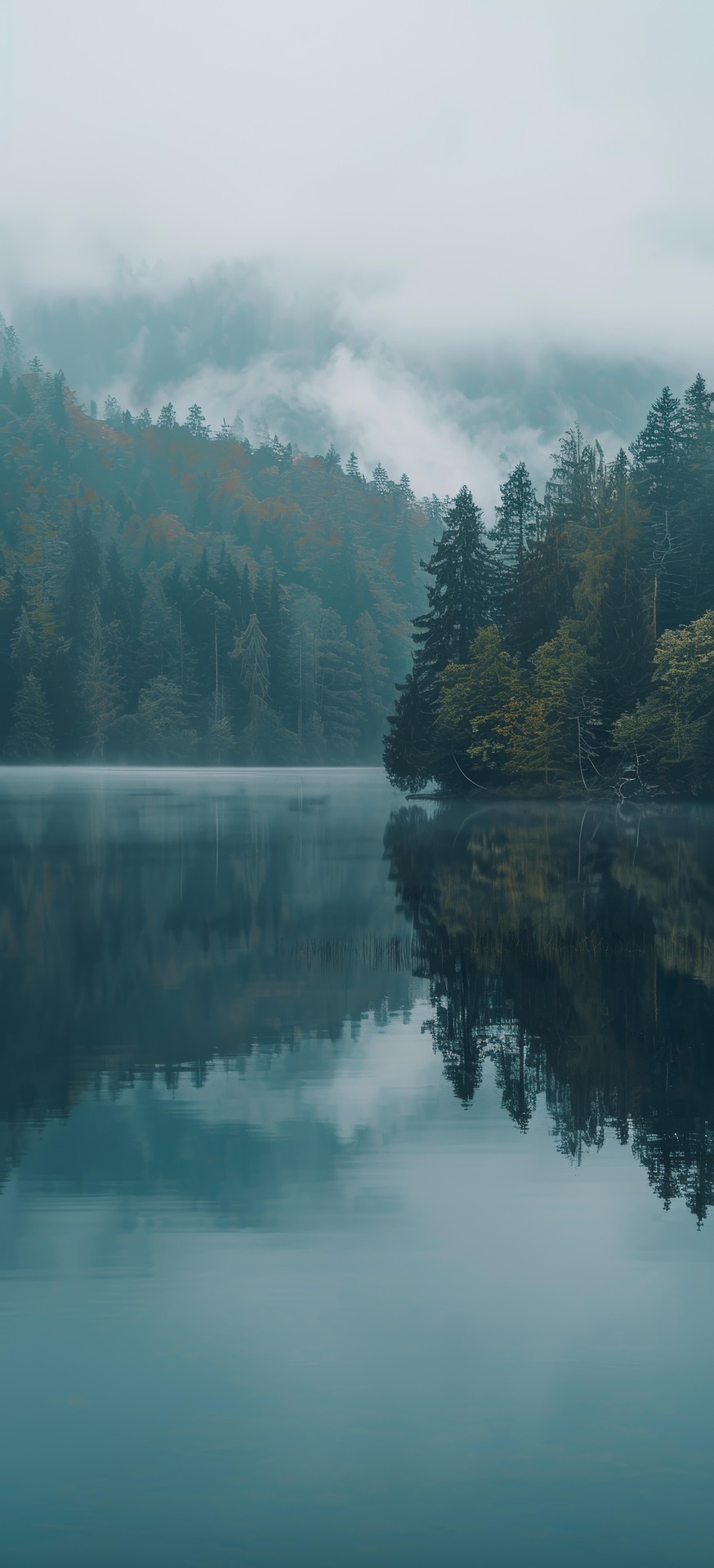
- Drive the Leh–Manali Highway, one of the world’s highest motorable routes.
- Camp by Pangong Lake under a sky brighter than memory.
- Visit Thiksey Monastery for sunrise prayers.
- Explore Nubra Valley via the Khardung La Pass.
Note: Allow time for acclimatization—Leh’s altitude exceeds 3,500 meters.
Spiti Valley, Himachal Pradesh
Remote and resembling a moonscape, Spiti tests both patience and curiosity. Ancient monasteries, villages connected by dusty roads, and surreal desert mountains make it an unforgettable adventure.
- Visit Key Monastery perched high above the valley.
- Trek to Dhankar Lake.
- Experience remote village life in Kibber or Langza.
- Spot Himalayan blue sheep or, if lucky, snow leopards.
Spiti tip: Best visited from June to September. Roads before May often remain blocked by snow.
? Coastal Escapes (For When You Crave the Sea)
It might seem odd to head seaward in the heat—but the coast has its rhythm. Sea breezes and salty air can balance the warmth surprisingly well.
Goa
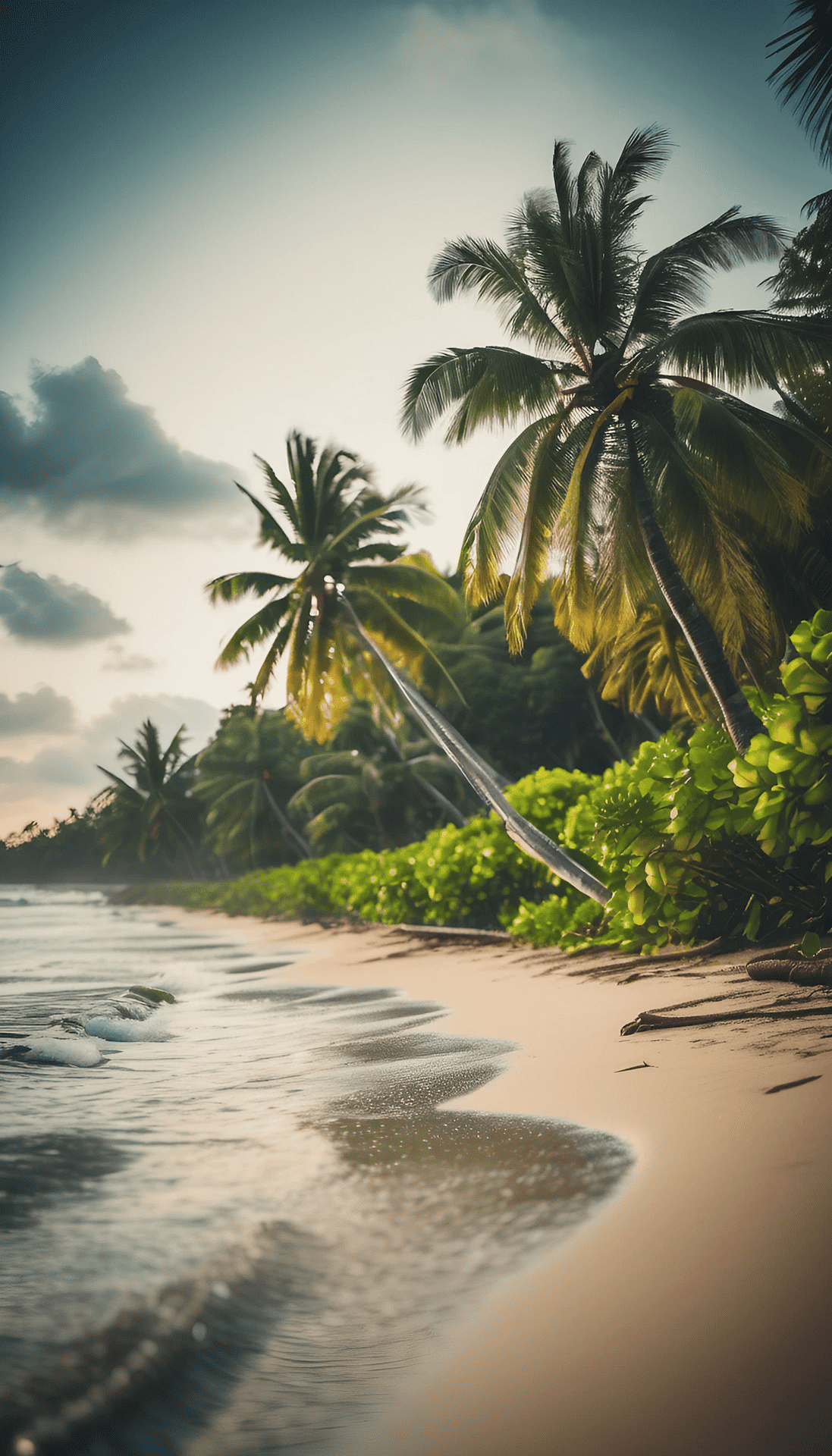
In summer, Goa’s true character emerges. Gone are the high-season crowds; in their place come slow days, quiet beaches, and better hotel rates.
- Explore Old Goa’s churches and Latin Quarter in Panjim.
- Visit Ashwem and Palolem for serene beaches.
- Try monsoon kayaking in backwaters if you arrive in June.
- Indulge in seafood thalis—crabs, pomfret, and local kokum drinks.
Good to know: Travel off-season, and you’ll see Goa without filters—authentic and unhurried.
Gokarna, Karnataka
Often described as a quieter rendition of Goa, Gokarna pairs temples and beaches perfectly.
- Trek between Om Beach, Half Moon Beach, and Paradise Beach.
- Visit Mirjan Fort and the local markets.
- Stay in cliffside cafés overlooking the sea.
You get solitude without giving up charm—a barefoot traveler’s dream.
Nature and Greenery (Transitioning to Monsoon)
By late May and June, monsoon edges closer. These spots stay green, cool, and full of promise as rains prepare to arrive.
Munnar, Kerala
At around 1,600 meters above sea level, Munnar is a mosaic of green. Vast tea plantations ripple over hills, and misty mornings seem straight out of a film.
- Eravikulam National Park for the Nilgiri tahr.
- Mattupetty Dam for boating.
- Tea museum tours to understand colonial heritage.
- Local chocolate and spiced tea tastings.
Best time: April to early June before heavy rains set in.
Coorg, Karnataka
Coorg (Kodagu) embodies peace with coffee-scented air, dense forests, and homestays that redefine hospitality.
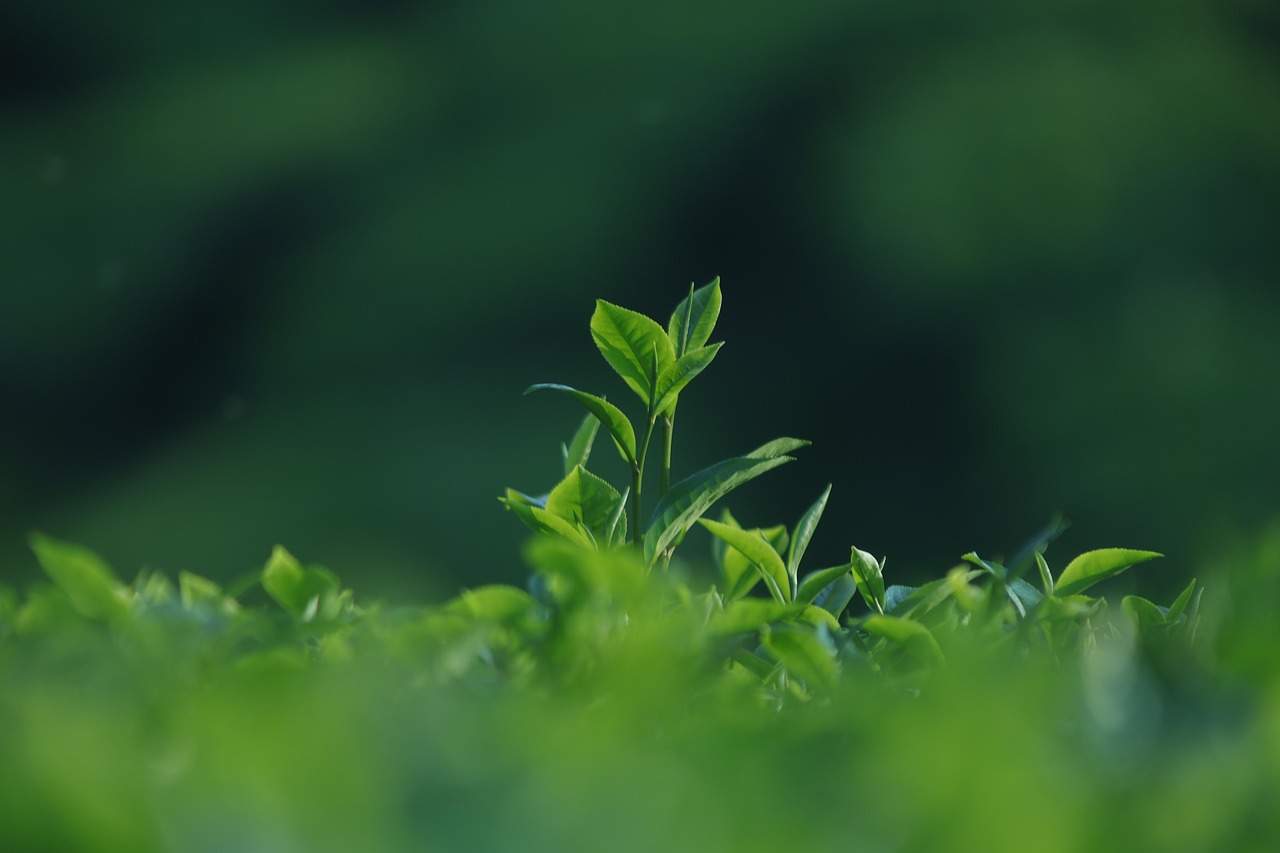
- Visit Abbey Falls and Dubare Elephant Camp.
- Walk or cycle through coffee estates.
- Taste pandi curry (spicy pork) and freshly brewed filter coffee.
Ideal for couples, nature lovers, and weekend travelers from Bangalore.
Unusual Summer Destinations
Mount Abu, Rajasthan
Rajasthan in summer sounds paradoxical—but Mount Abu breaks that rule. Standing at 1,200 meters, it’s the state’s only hill station.
- Visit Dilwara Temples—an architectural marvel in marble.
- Boating at Nakki Lake under a pastel sunset sky.
- Trek to Guru Shikhar, the Aravalli Range’s highest peak.
It offers Rajasthan’s flair with cooler weather—perfect for those intrigued by contrasts.
Shillong, Meghalaya
A northeast gem, Shillong unfolds as a cool, music-filled city of meadows and falls. Here, clouds often sit low enough to touch.
- Stroll through Ward’s Lake and Don Bosco Museum.
- Chase waterfalls like Elephant Falls and Krang Suri.
- Visit Cherrapunji and Mawlynnong, Asia’s cleanest village.
Shillong’s indie music scene gives evenings an edge you won’t find elsewhere.
Choosing the Right Destination: Finding Your Travel Personality
Before you book anywhere, pause and ask yourself:
- Do you want activity or stillness?
- Will crowds energize you or exhaust you?
- Do you prefer high-altitude adventures or cultural warmth?
Sometimes, travelers chase popularity and later crave peace. Others go somewhere secluded and miss a city’s liveliness. The answer isn’t fixed—it changes with you. The art is in finding balance, not perfection.
Travel Tips for Summer in India
A little preparation makes a huge difference when navigating Indian summers.
- Start your days early: Mornings are cooler, light is perfect for photography, and attractions are emptier.
- Stay hydrated: Coconut water, buttermilk, and electrolyte drinks help prevent fatigue.
- Pack light cottons: Avoid synthetics; breathable fabrics are your best ally.
- Book accommodations in advance: Hill stations fill quickly between May and June.
- Carry sunscreen and a hat: Mountain sun is gentler but equally strong.
- Keep buffer days: Landslides, sudden rains, or roadworks are common in hilly terrain.
Travel hack: If possible, travel overnight via train or bus to save daytime energy and sightseeing hours.
Suggested Summer Itinerary Ideas
You don’t need rigid plans—just routes that feel fluid and match your travel style. Here are a few frameworks:
1. Himachal Circuit (For Mountain Lovers)
Route: Shimla / Manali / Tirthan Valley
Duration: 8–10 days
Vibe: Classic hill station encounters blending comfort and offbeat serenity.
2. Uttarakhand Escape (For Quiet Nature)
Route: Rishikesh /Auli /Lansdowne
Duration: 7–9 days
Vibe: Yoga, meadows, and pine forests wrapped in peace.
3. Southern Harmony (Tea & Coffee Trails)
Route: Bangalore/Coorg /Munnar
Duration: 6–8 days
Vibe: Green rolling plantations, homestays, and culinary warmth.
4. Northeastern Discovery
Route: Guwahati / Shillong / Cherrapunji /Mawlynnong
Duration: 6–7 days
Vibe: Misty highlands, local culture, and waterfalls galore.
5. Himalayan Adventure
Route: Manali / Jispa / Leh / Pangong / Nubra
Duration: 10–14 days
Vibe: Adventure, thrill, altitude, and jaw-dropping landscapes.
What Makes Summer Travel in India Worth It
The right place at the right moment can change how you see this season. In India, summer isn’t just about enduring the heat—it’s about finding contrast. Cool winds where the plains sweat. Coconut breezes where cities sleep. A slower heartbeat that reminds you to breathe differently.
Some trips will go smoothly. Others will surprise you—with rain, detours, or sudden friendships over chai. But somewhere in between all that imperfection, you’ll find the memory that stays longer than your tan lines.
And that, perhaps, is the true reward of traveling through India in summer.