Why Medellín?
Once infamous for its turbulent past, modern Medellín has reinvented itself as one of Latin America’s most creative and innovative cities. Today it’s proud of its “City of Eternal Spring” nickname – Medellín enjoys a perpetually mild climate (averaging around 24 °C) – and of its vibrant culture. Local music and dance are ever-present (one travel writer even notes Medellín’s music scene is “more than just reggaetón”), and Afro-Colombian rhythms infuse the nightlife. Meanwhile, thoughtful urban projects have transformed the steep hillsides: Medellín “defied its tumultuous past to become a thriving hub of innovation, progress, and opportunity”. Forget a generic checklist – to really feel the city’s soul in 2025, dive into its neighborhoods and experiences.
Iconic Neighborhoods & Urban Exploration
Medellín is a city of distinct barrios, each with its own vibe. Here are the must-see districts for a deep (and fun) cultural dive:
Comuna 13: Art as Revolution
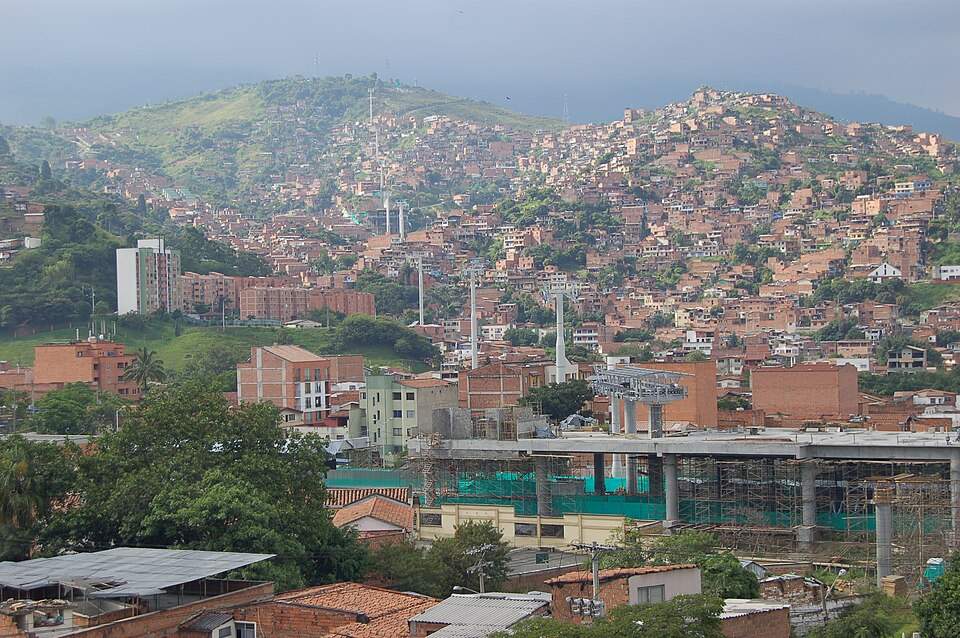
Comuna 13 is a living symbol of Medellín’s rebirth. Once one of the city’s most dangerous slums, it now dazzles with street art and public infrastructure. Graffiti murals cover nearly every wall, telling the neighborhood’s story “from violence to creativity”. A key attraction is the outdoor escalators (installed 2011) that ferry passengers up the 384-meter hillside – a social-architecture marvel. Guides will tell you that the best photos come from the top of these escalators, which offer panoramic views of the city. (Visit early on weekdays for fewer crowds.) Several tour groups – including the popular Zippy Tour – provide tip-based graffiti walks. Guides on these free tours grew up here and explain the murals’ meanings; in fact, “most Comuna 13 group tours meet at the San Javier Metro Station,” making it easy to start your exploration.
Street Art Tour: Book a guided tour (e.g., the free Zippy Tour, which only asks for a ?30,000 COP tip) to decode the political and peace-themed murals.
Outdoor Escalators: Ride the linked escalators up the hill. At the top you’ll get sweeping views of Medellín – truly one of the city’s best photo spots.
Choto’s Café: Stop for a tinto (black coffee) at this local café. It’s run by a famed Medellín street artist, and features art made from recycled materials by neighborhood kids (proceeds support youth art programs).
Insider Tip: Avoid weekend tourist crowds by visiting Comuna 13 in the early morning on a weekday.
El Poblado: Chic Cafés & Nightlife
El Poblado is upscale but still warm. By day, stroll Provenza and Manila – tree-shaded streets full of cafés and boutiques. Coffee roasters like Pergamino Café and Café Velvet serve excellent brews; reviewers note Velvet for its minimalist vibe and “extensive selection of coffee”. For food, the nearby Manila Strip offers everything from sushi to traditional fare. Try bandeja paisa (the iconic meat-and-beans platter) at local institutions like El Rancherito (a chain with multiple locations) or Mondongo’s (famous for its hearty chorizo soup). When the sun sets, Poblado really comes alive. Parque Lleras transforms into a salsa-and-cocktails zone, with open-air clubs spilling onto the plaza. Sip craft cocktails at trendy bars (The Greek Connection is a popular spot), or head to Casa Provenza, a converted food hall where you can sample local microbrews. For true Paisa salsa, locals love Laureles’ Son Havana – one guide calls it “celebrated for its electrifying salsa nights and vibrant atmosphere”. It’s mostly filled with Colombians, so you’ll get an authentic feel (few tourists brave Laureles on a weeknight).
Day: Coffee at Pergamino or Velvet. Enjoy global eats on Manila Strip; bandeja paisa at El Rancherito.
Night: Salsa bars around Parque Lleras and Casa Provenza. For live Cuban rhythms, check out Son Havana.
Laureles: Local Life Unfiltered
Farther north, Laureles is where many Paisas actually live. It’s quieter and more residential – exactly the opposite of touristy Poblado. On Sunday mornings, Medellín’s weekly ciclovía closes key streets to cars (including the Laureles–Estadio zone on Avenida 70) so families can bike and stroll. Nearby, the new Parques del Río is a futuristic riverfront park that hugged the Medellín River with walkways and parks. La 70 (Calle 70) is Laureles’ main nightlife strip; stop at veteran spots like Café Velvet (they have a Laureles branch too) for live music or coffee.
Cycling: Rent a bike or join the Sunday ciclovía along Laureles’ leafy avenues.
Chill by the river: Relax in Parques del Río, a modern park along the Medellín River.
La 70 Nightlife: Check out local bars and pubs on Calle 70. (Café Velvet’s Laureles location is known for top-notch pour-over coffee.)
Adventure & Nature Escapes
Medellín’s mountainous setting means adventure is never far. Step outside the city (or rise above it) to see the landscape from new angles.
Metrocable to Parque Arví
The Metrocable (Medellín’s famous cable-car transit) is itself an attraction. Hop on Line K up the Santo Domingo mountains for a birds-eye view of the Aburrá Valley below. Transfer at Santo Domingo to Line L for Arví Park. This multi-stage ride (about 40–50 minutes total) is “the most scenic and popular way to reach Parque Arví”, with stunning panoramas of the city as you climb into the cloud forest. At Arví Park (entry is free) you’ll find eco-friendly trails through pine and oak woods – perfect for a cool hike, birdwatching, or a family picnic. The park is huge (over 16,000 hectares) and has everything from butterfly gardens to lakes. If you want a guide, Arví offers hiking tours (usually ?50,000–60,000 COP for foreigners) that last a few hours.
Cable-ride: Take Metro Line K to Santo Domingo, then Line L up to Arví Park. Savor the aerial views of Medellín below.
Hiking & Hiking Tours: Explore cloud-forest trails (maps are available). Guided ecology walks (about ?50,000–60,000 COP) offer deeper insight into the flora and fauna.
Picnicking: Pack a lunch to enjoy under giant pines. Arví also has a weekend farmers’ market (Mercado Arví) with local snacks.
Paragliding Over the Aburrá Valley
For a true thrill, try tandem paragliding. Operators launch from San Félix (about 45 minutes from Medellín) so that you float at roughly 2,200 meters with the whole city at your feet. The experience is unforgettable – you’ll glide past cloudbanks and see Medellín’s skyscrapers shrink below as palms and mountains stretch all around. Tours typically include a GoPro video of your flight. As one tour listing shows, flights with video start at around $99 USD per person. (Book in advance – popular operators sell out quickly, especially on clear days.)
Thrill Factor: Soar quietly over the valley; flights last ~20–30 minutes.
Prices: Expect to pay around $100 per person for a tandem flight with photos.
Safety: Operators are professional; you’ll go up with a trained instructor. Best to book early in the day when winds are calm.
Tres Cruces Hike
Nearby Cerro de las Tres Cruces offers another hilltop payoff. It’s a short but steep out-and-back trail (about 4–5 km total) that most people hike in 1–2 hours roundtrip. At the summit stand three giant crosses, and the vista opens up 360° over the city and surrounding mountains. Hikers say it’s one of “the best views of Medellín’s impressive cityscape”. There’s even a free outdoor fitness area at the top if you still have energy – as one blogger quips, “If you’ve got excess energy on top… check out the outdoor gym”. (Because the trail is local, it’s safest to do this with others – for example, join a Sunday-morning hiking group.)
Trail: Roughly 2.5 km up, 2.5 km down; plan 2–3 hours.
At the top: Panoramic city views and an open-air exercise area.
Tip: Go on a clear day for best visibility.
Culture & History Deep Dives
Plaza Botero & Museo de Antioquia
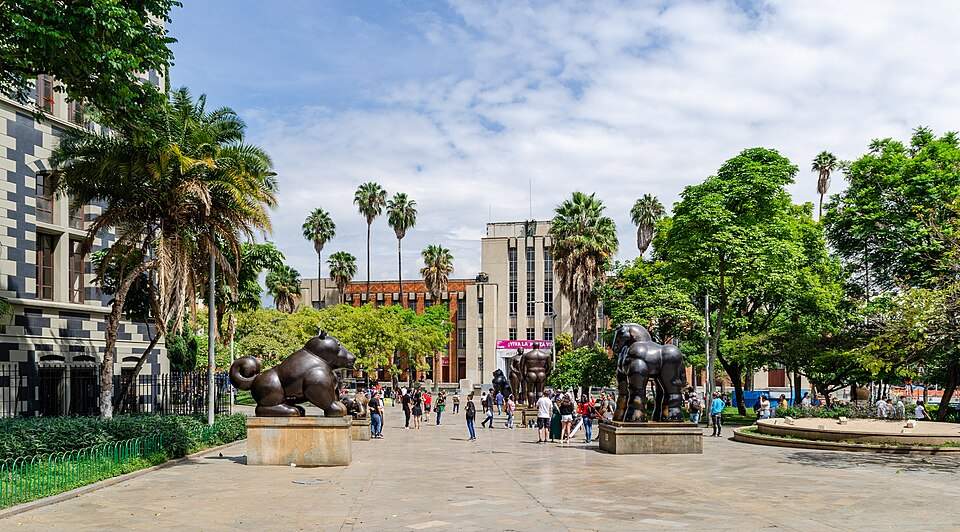
In downtown Medellín, Plaza Botero is an artful eye-catcher. This open plaza features 23 oversized bronze sculptures by famed artist Fernando Botero (think chubby horses and giant hands). The whimsical statues are on permanent outdoor display (and famously rub-able for good luck!). Adjacent is the Museo de Antioquia, which houses the rest of Botero’s donated collection. Entrance is very affordable (around 25,000 COP for foreigners as of 2023) and gives you access to Botero’s paintings as well as pre-Colombian and colonial art. Also nearby is the Rafael Uribe Uribe Palace of Culture (a Gothic-Revival building) – you can enter for free and climb its tower for another city view.
Plaza Botero: Wander among Botero’s 23 sculptures – open 24/7 and free to enjoy.
Museo de Antioquia: View more Botero works (and others); tickets ~?25,000 for foreigners.
Palacio de la Cultura: Snap photos of the ornate exterior. (Free entry; a small fee gets you up to the bell tower for a view.)
Casa de la Memoria (Memory House)
Medellín’s Casa de la Memoria is a powerful museum dedicated to the victims of Colombia’s decades of conflict. Housed in a stark modern space, the exhibits use video, audio testimonies, and photography to tell personal stories of violence and reconciliation. It’s an educational, respectful experience – a reminder that Medellín’s resurgence is built on remembering the past, not hiding it. Entry is free, and English audio guides are usually available. (Importantly, this museum provides a sober counterpoint to any sensational “Escobar tours” – here you get context on the city’s real struggles.)
Jardín Botánico (Botanical Garden)
Medellín’s lush Botanical Garden is the place to escape the urban buzz. Spanning 14 hectares, it showcases tropical plants, flower gardens, and a peaceful lake. The crown jewel is the Orchideorama – a giant wooden “flower” canopy that shelters 5,000 orchids and offers dappled shade. Look for colorful heliconias and cacti, then tiptoe among the fountains. Birdwatchers rejoice: over 139 bird species have been recorded here, so keep your binoculars handy. (Entry is free and it’s open daily.) The nearby Parque Explora (science museum/aquarium) is also in this green zone, if you want more family-friendly fun.
Orchideorama: Walk under the hexagonal wooden canopy filled with hanging orchids.
Wildlife: Spot toucans, hummingbirds and other species – 139 bird types are documented.
Relax: Stroll the rose garden and cactus house.
Unmissable Day Trips
Guatapé: Colombia’s Colorful Playground
About two hours east of Medellín sits Guatapé, a lakeside town famous for its color. Its biggest attraction is El Peñón de Guatapé – a colossal granite monolith jutting 200 m above the reservoir. A steep staircase (740 steps) spirals up its side; at the top is a viewing platform with sweeping vistas of the islands and waters below. Climbing is rewarded – one guide reports panoramic views “among Colombia’s finest.” Don’t forget to pay the small entrance fee (~?20,000 COP) at the base. Back in town, admire the zócalos: every building in the main square and surrounding streets has a hand-painted fresco on its lower wall. Travel guides describe Guatapé as “brimming with vibrant colors, intricate zócalos (painted panels)…” – it really is a photographer’s paradise. If you’re feeling adventurous, rent a kayak or take a boat tour on the lake. You can paddle past the partially-flooded ruins of Hacienda La Manuela (Escobar’s former island mansion), adding a bittersweet historical twist to the scenery.
Climb El Peñol: 740 stairs to the summit; incredible 360° lake/valley views (admission ~20,000 COP).
Boat Tour/Kayak: Glide around the reservoir (some tours include a look at Escobar’s “lost” mansion).
Vibrant Village: Walk Calle del Recuerdo and the main plaza to see homes “brimming with vibrant colors and intricate zócalos”.
Getting There: Buses depart Terminal Norte (?15,000 COP, 2 hours) or join a group tour (?122,000 COP, often including transport and guide).
Coffee Farm Immersion
For a true taste of rural Colombia, skip the big-name haciendas and head to the mountains of Antioquia. The Jardín region (south of Guatapé) is dotted with family-run fincas. A top pick is Finca Mariposa near Jardín: this 2-hectare farm grows thousands of coffee plants on steep slopes. On a tour, you’ll learn how coffee is grown, pick ripe cherries, and try your hand at roasting before sipping a fresh cup while gazing at green peaks. (For example, the farm advertises tours on its “2-hectare coffee farm with … over 6000 plants”.) These excursions are usually about 3–4 hours and cost in the ballpark of $30–$40 USD per person.
Hands-On Tours: Pick and process beans at a local finca (Finca Mariposa offers English tours of its 6000+ trees).
Learn & Taste: Watch (or join) the roasting, then enjoy an espresso while overlooking the valley.
Alternative: Some visitors still do the classic Salento/Armenia tours, but for shorter travel time and similar authenticity, stick to Antioquia’s local farms.
Food & Nightlife
Must-Try Eats
No trip to Medellín is complete without digging into paisa specialties. Bandeja paisa – the legendary platter with beans, rice, chorizo, chicharrón, egg, avocado, and more – is a must. Many locals swear by El Rancherito (a homegrown chain) for an authentic, generous bandeja. Street food is equally divine: try arepas de choclo (sweet corn cakes with cheese) sold by market vendors, especially around the Minorista/Placita de Flores market. For everyday meals, look for the ubiquitous menú del día lunches. These set menus (usually soup, a main protein with rice/beans, and juice) are very affordable – around 8,000–20,000 COP ($2–$5) – and the specials are often chalked on sidewalks outside small restaurants. This is how locals eat their hearty lunch every day.
Bandeja Paisa: Try it at El Rancherito or Mondongo’s (Poblado) for classic flavor.
Arepa de Choclo: Seek fruit-market stalls near Minorista for the famous sweet corn arepas.
Menú del Día: In local eateries, a soup+plate+juice combo for <20,000 COP is a great budget lunch.
Salsa Like a Local
Colombia’s salsa scene is alive in Medellín. If you’re a beginner, take a group class (places like DanceFree in Poblado offer affordable salsa 101, around ?50,000 COP). Once you’re comfortable, hit the dance floors. Tù También La Salsa: Son Havana (in Laureles) is one of the city’s top salsa bars. It’s often packed with live Cuban bands – travelers praise its “electrifying salsa nights”. You’ll find mostly Colombians dancing there, so jump in and practice your steps! Another option is the low-key backstreets of El Poblado, where informal salsa jams pop up in dive bars (just ask a local where to go on a given night). In short: skirt around any touristy “clubs” and dance where the paisas do.
Dance Classes: Beginners can join group lessons (e.g., DanceFree in Poblado).
Live Salsa: Head to Son Havana for authentic salsa nights (go later in the evening for peak energy).
Hidden Scenes: Check local listings for live music or salsa nights in Laureles or Poblado, away from the big plazas.
Practical 2025 Updates
Medellín is generally safe, but standard precautions apply. Take licensed taxis or Uber at night, and don’t flash valuables on crowded streets (petty thefts are the main concern). The city is expanding its security cameras and police presence, but it’s still wise to keep your phone and jewelry tucked away in busy markets or nightlife areas. Getting around is easy with the Cívica card. This reusable transit card (?10,000 COP for the tourist “eventual” card) lets you ride the metro, Metrocable, and city buses. Top it up at any station and zap it to enter metro gates. (For example, the official metro site notes that tourists pay a ?10,000 deposit for the Cívica.) Keep Medellín’s calendar in mind. If you’re here in late summer, don’t miss the Feria de las Flores (Flower Festival) – in 2025 it runs Aug 1–10. Likewise, if you visit in early December, the Alumbrados Christmas lights are legendary – Medellín famously “draws over four million tourists” each year for its elaborate riverfront light shows. Plan ahead for crowds (and full hostels) during these festivals.
Safety: Use Uber/taxis at night; don’t carry all your cash/phones on you. (As in any big city, stay aware in crowded areas.)
Transport: Get a Metro Cívica card (?10,000 COP deposit) to ride the metro and cable cars.
Festivals 2025: Feria de las Flores – Aug 1–10, 2025; Alumbrados de Navidad – early Dec (city “famous for its incredible light displays”).
Unique Itineraries
For Digital Nomads: AM: Co-work at a trendy café like Pergamino (Poblado). PM: Explore Comuna 13’s street art, then take the cable car up to Arví at sunset. Eat: Vegan-friendly spots like Salvaje Bakery (Laureles) serve hearty bowls and pastries. (Stay in Poblado for fast Wi-Fi; nightlife and restaurants are a walk away.)
For Families: AM: Spend morning at Parque Explora – a hands-on science museum with a big freshwater aquarium (tickets ~?45,000). PM: Picnic by the fountains at Jardín Botánico and let kids run in the butterfly gardens. Afterward, grab natural fruit pops at Helados de Palo (many flavors) or ice cream at one of Laureles’ heladerías. (For lodging, family-friendly hotel or apartment rentals in Laureles offer quiet streets and pool access.)
For Adventurers: Day 1: Book a paragliding + ATV combo tour. (Fly over the valley in the morning, then zoom on ATVs through rural trails in the afternoon.) Day 2: Do the El Peñón rock climb in Guatapé, then rent jetskis on the lake or go horseback riding by the reservoir. (Overnight in Guatapé or return to Medellín for dinner.)
Medellín’s magic isn’t in forgetting its past – it’s in how the city transforms pain into creativity on every street. We’ve woven classic sights with 2025 trends (from regenerative tours in Comuna 13 to microcoffee farm trips). For real-time tips on events and hotspots, the Medellín Guru travel app is a handy companion. Safe travels!