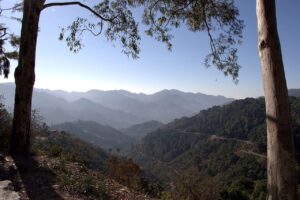
Quick verdict: the ideal window
October–March is the most dependable stretch for dry skies, comfortable temperatures, and that airy look the valley is known for, with winter (November–February) often delivering the cleanest visibility for first-timers and families who like short, gentle walks over long treks.
Shoulder months on either side can still be rewarding if you’re flexible, but monsoon (June–September) shifts the experience toward mood and saturation rather than long views, which some travelers genuinely prefer even if plans need more patience.
How light behaves here
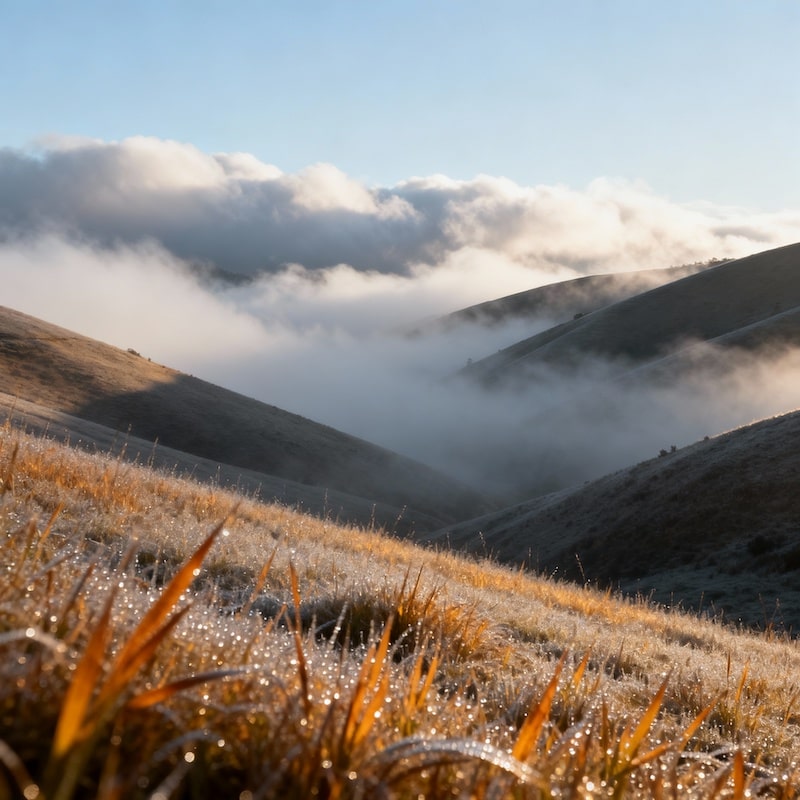
Mornings tend to be kinder for clarity—mist can hang and then peel back—so arriving a touch early and giving yourself an extra hour pays off, especially if you want that wide, low composition with a textured grass foreground.
Late afternoons bring the mellow warmth creators love, but fog and passing cloud can flip the script quickly, so it helps to have frames in mind before the peak to avoid scrambling when the light finally turns.
If you’re balancing light with logistics, plan routes the night before and cross-check sunrise/sunset for Shillong (as a practical anchor) so you’re not arriving in the dark or chasing dusk on the return.
Month-by-month timing
October
The first “open” skies after the rains: trails firm up, winds calm, and the grass still holds that fresh post-monsoon depth—great for long looks and easy, slow walks without slog.
Sunrise sits early, sunset relatively early too, so dawn arrivals need a realistic buffer from Shillong—build 20–30 minutes of slack for parking, a short stroll, and a few minutes of unhurried setup.
November
Often the sweet spot for first-timers: clear light, cooler air, and remarkably steady conditions that flatter both wide and compressed frames across the meadows.
Days are shorter—golden hour ends quickly in hilly terrain—so pre-visualize a couple of compositions and move with intent once the glow starts building.
December
Cool and calm with minimal rainfall; carry a light wind layer and let the valley breathe at sunrise before settling into a low, wide angle that shows the land’s gentle cadence.
If you’re traveling with family, this is a friendly time: short, scenic strolls and easy pull-outs work well, especially if you time tea and restroom stops around the drive windows.
January
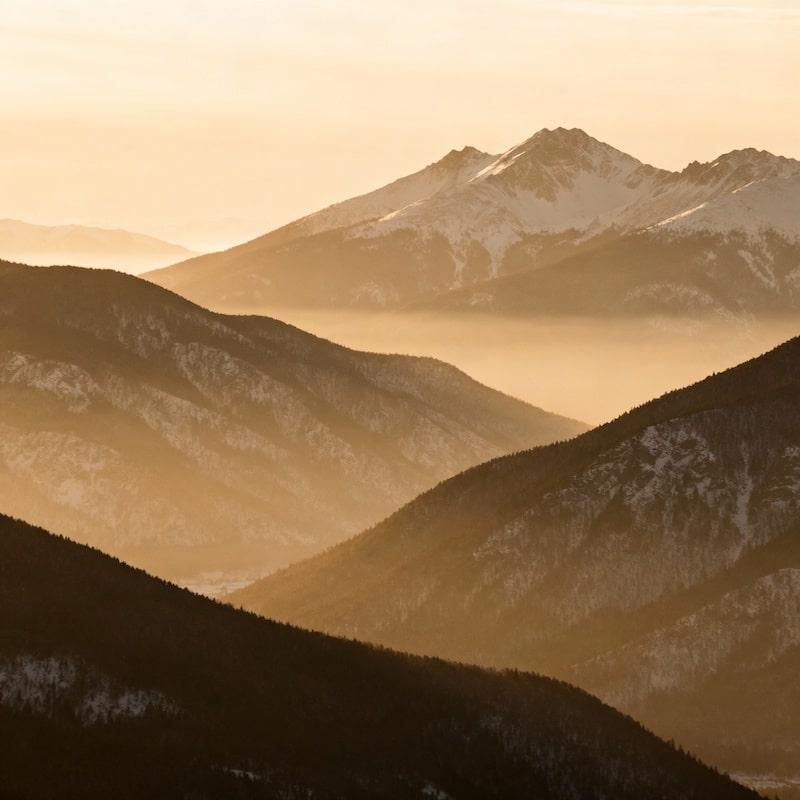
Crisp mornings and clean sightlines—excellent for those layered-hill compressions later in the afternoon—though dew on shaded bends can make very early driving feel fussier than midday.
Use the cooler midday for rest, then return for the second light, which often rolls in softly rather than suddenly, giving you time to ease into the framing you want.
February
Still dry, still photogenic, with a touch more warmth and slightly longer days, which makes back-and-forth sessions—dawn and late afternoon—feel less rushed.
If haze creeps in by noon, lean on early and late windows, and consider a polarizer or gentle underexposure to protect sky detail on brighter days.
March
Comfortable and flexible, but afternoon haze can soften contour detail, so prioritize sunrise if crisp layers are your priority and treat late afternoon as a bonus rather than a guarantee.
This is a good month for a relaxed, picnic-forward plan: light walks, long sits, and a warm, unhurried exit before dusk.
April
Warmer air and some humidity—still workable for soft meadows if you hit the first two hours of light, then save creative effort for the evening if midday looks flat.
If you’re mixing days across Meghalaya, you can pair valley time with waterfall or village visits elsewhere and keep the best light for meadows rather than forcing midday frames.
May–June (pre-monsoon)
Moody cloud, occasional squalls, and on-off visibility; some days are cinematic, others are a washout—staying flexible matters more than gear or precise timing here.
If you go, aim early, watch the radar, and carry a waterproof layer; be ready to pivot to tea and wait for a clearing rather than pushing into slick ground or fast fog.
July–September (monsoon)
Lush and saturated, with frequent fog and messy verges—the look is beautiful but the certainty is low, so it suits travelers who value mood over long views.
Roads can deteriorate after heavy rain; avoid soft shoulders, skip off-road pull-ins, and accept that safety and grass health beat any single shot, every time.
Sunrise and sunset planner
Use Shillong as your practical baseline: around late October and November, sunrise sits near 5:25–5:35 am and sunset around 4:40–4:50 pm, shifting later into spring—always confirm week-of times before a dawn drive.
If chasing a golden-hour return, start wrapping up 20–30 minutes before sunset so you exit on familiar stretches with daylight in hand, especially if mist threatens after dusk.
Weather checks that matter
Night before: scan a 10-day outlook for Shillong as proxy, then drill into hourly the morning of your drive—prioritize cloud cover, precipitation, and ridge wind, which changes how long you’ll want to linger.
If conditions wobble, skip the dawn gamble and pivot to a late-afternoon session; the valley often rewards patience more than insistence, and that’s part of why it feels restful.
What the seasons feel like on the ground
Dry months (Oct–Mar): easy footing, calmer winds, and that crisp “quiet” so many reels lean into—carry water, a light layer, and cash; download maps for patchy zones near open stretches.
Wet months (Jun–Sep): dramatic clouds, but slick bends and soft verges—slow down, avoid parking on grass, and don’t force a viewpoint if fog or rain closes in.
Photography tactics by season
October–February: favor sunrise for clean contours, keep late-afternoon compositions pre-planned, and let foreground grass texture carry you when the sky is understated.
March–April: lean on early hours, use a polarizer at midday, and consider a longer lens in the evening to compress the ridges if haze softens separation.
Monsoon: embrace minimal frames and texture—foreground first, sky second—and skip slick slopes to protect both you and the meadows.
Crowds, comfort, and timing
Clear months bring gentle weekend pulses from Shillong and Assam; arrive early or linger later for space, and treat golden hour as a shared window rather than a race.
On family trips, keep sessions short and repeatable—dawn plus late afternoon—so the day feels generous even if the light only turns once.
 Pairing your day for balance
 Pairing your day for balance
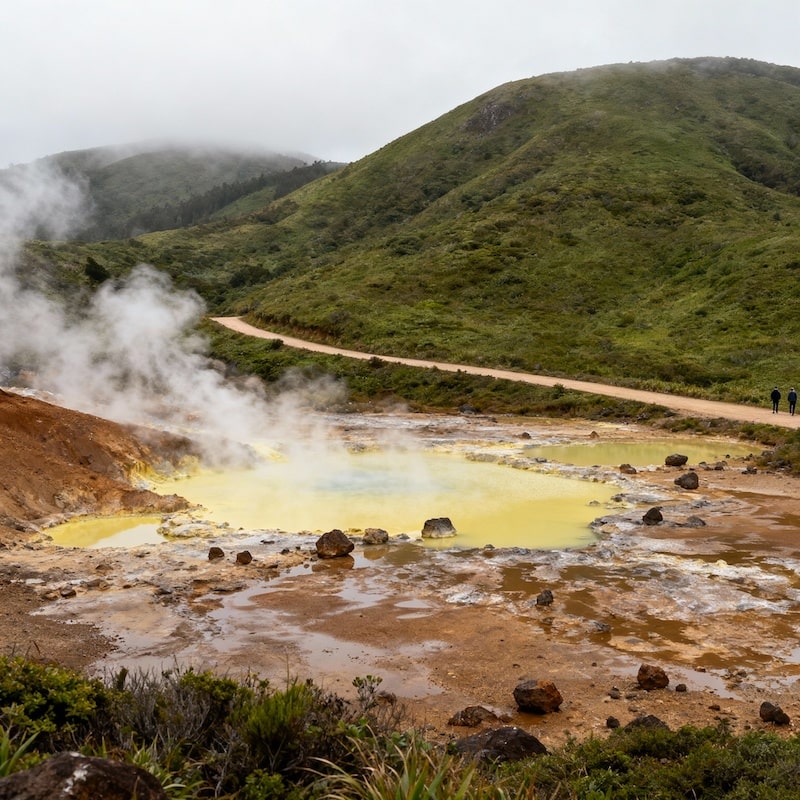
If you want warmth between sessions, Jakrem hot springs fits neatly as a midday add-on before returning for the evening glow—simple, soothing, and practical when mornings run chilly.
On two-day plans, Mawphanlur pairs beautifully with the valley’s mood—same hush, different frames—doubling your odds of catching one great window of light without rushing.
Timing FAQs
What’s the best single month? November blends clean visibility, comfortable temperatures, and steady light—easy for first-timers and great for calm, low-effort photography.
Is sunrise essential? It helps between October and February, but late afternoons can be equally kind; if dawn fogs out, go unhurried and aim for the golden return.
Is monsoon worth it? Yes—if you like mood over distance—just accept more no-go days and treat safety and grass health as non-negotiable.
Next steps
Match your timing notes with routes and on-ground logistics in the Markham Valley travel guide so the plan stays calm even if the weather improvises a little on the day.
For turn-by-turn drives and regroup points, the route explainer on how to reach Markham Valley helps you arrive at the right time rather than simply on time, which is not quite the same thing here.
If you’re tuning the day around vantage lines, save the focused guide to Markham Valley viewpoints so you can switch plans gracefully if the sky changes its mind.