This guide maps the main entry zones, spells out viewpoints by character and time-cost, and offers three flexible itineraries—from a quick 2-hour pop-by to a full-day meadow meander—so you can slide into a plan that matches your energy and the light when you arrive.
Understanding the “entry point” cluster
Rather than a single landmark, the widely used Markham Valley entry spans a stretch of the Shillong–Nongstoin–Tura Road (also referenced as the Shillong–Nongstoin Highway) where the landscape opens noticeably and pull-outs become more frequent.
This zone is roughly bookended by Mairang to the north and the approach toward Markasa and Mawphanlur further west, with Markham Village and Dommurok View Point as the commonly cited landmarks within this span.
The practical reality: you’ll find firm lay-bys, informal parking areas, and gentle grassed verges where a few cars can rest while occupants walk the ridgelines—there’s no single “correct” entry, just multiple well-used options that work best depending on what you’re in the mood for.
Main viewpoints and their character
Dommurok View Point (Markham Valley’s northern anchor)
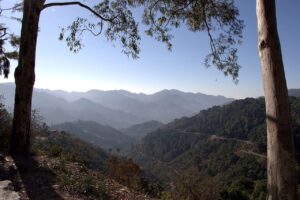
Often cited as 58–62 km from Shillong, Dommurok is the most referenced vantage on lists and blogs, offering broad, layered views across rolling green hills with a well-used pull-out area and short forest-rimmed walks that don’t eat too much daylight.
The area is suited for moderate hikers—you can invest 2–4 hours in rambling ridge walks through dense, verdant forest with occasional clearings, or take a gentler 20–30 minute stroll if you prefer just a light reconnoiter.
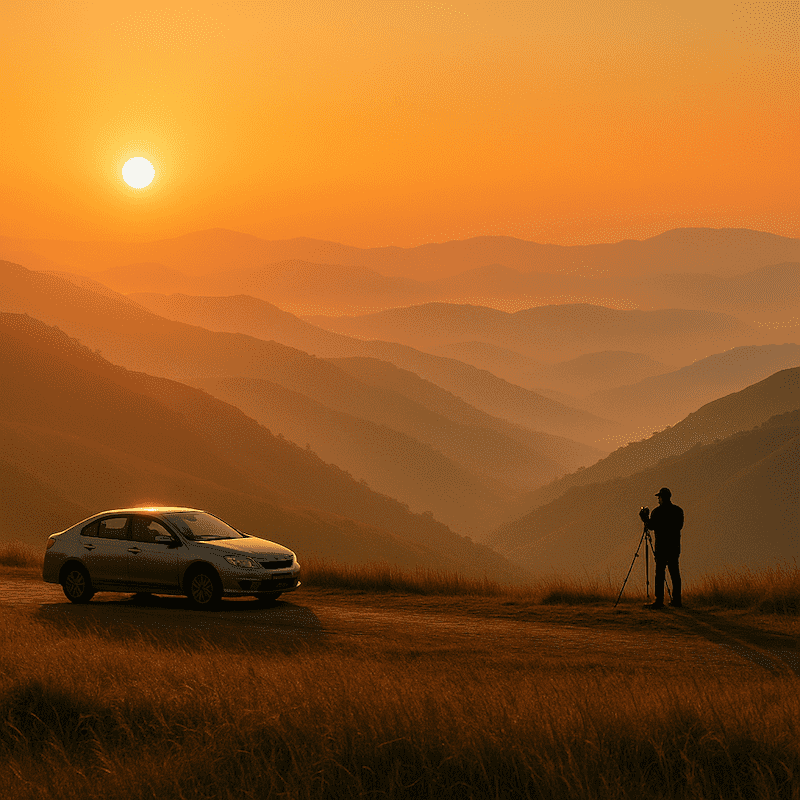
On clear mornings, the light hits the contours cleanly, and late-afternoon glow wraps the grass in that honeyed tone creators lean toward; on socked-in days, the texture of the forest itself becomes the frame.
Markham Village viewpoint (more intimate, less structured)
Sitting slightly further along the route, Markham Village’s vantage points feel less formalized—roadside pauses where a handful of vehicles can tuck in and access meadows without the sense of a “marked” destination.
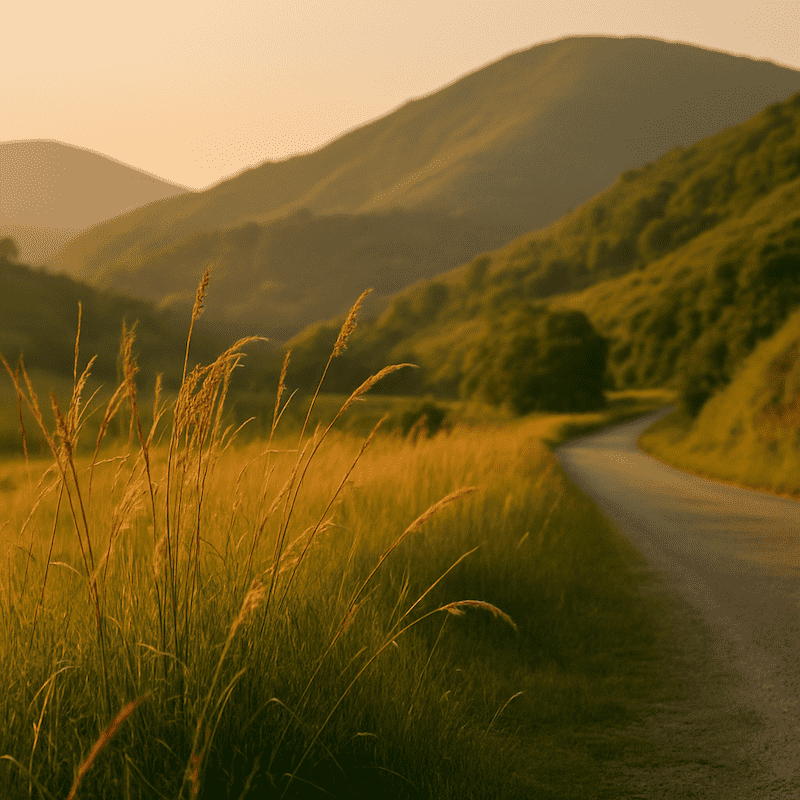
The frame here tilts softer: foreground grass often carries more weight than distant hills, which suits wide-angle, low compositions and intimate walks where you’re more focused on texture than expansive vista.
If Dommurok feels like “the” viewpoint, Markham Village is the one you find by instinct—often quieter, especially mid-week, and rewarding if you’re willing to explore a few pull-outs before settling on one that feels right.
Smaller pull-outs and micro-vantages
Between the main named stops, the route is dotted with informal lay-bys that open onto meadow slopes—each has its own feel, fog tendency, and foreground texture.
On a second or third pass in the same day (golden hour returns, for instance), these “in-between” pulls often surprise with light or solitude, so it’s worth glancing at a few on the approach rather than locking onto the first official stop.
Photography timing and framing by location
Sunrise at Dommurok: arrive 30–45 minutes before first light, set up a wide composition with foreground grass and let the contours take shape as the sun crests; keep a longer lens ready for compressed hill layers once the full glow hits.
Late afternoon at Markham Village: a 15–20 minute walk onto the meadow’s western edge often catches the softest, warmest light; low angles and silhouettes of grass clumps become allies when the sky is hazy.
Overcast conditions: embrace texture in the grass and forest, use the sky as minimal backdrop, and consider slightly longer exposures to hold shadow detail—meadows can photograph beautifully in flat light if the foreground is rich enough.
Short walks from main pull-outs
Ridgeline stroll (15–30 minutes)
A gentle rise along the grassed hill edge, usually accessible from either main viewpoint, offering progressive hill views and good foreground framing without scrambling or route-finding complexity.
Best in dry months when the verge is firm; in wet months, stick to compacted patches rather than soft, recently saturated areas to avoid leaving trails or slipping.
Forest-rimmed circuit (45 min–1 hour)
A low-commitment loop that dips into the tree-line fringing the meadows, often with small streams, patches of quiet, and the sound of birds enough to reset your breathing.
You’ll notice the forest is denser than photos suggest, which means light becomes textured and moody—great if you like the mood even if the broad vistas are obscured.
Full ridgeline traverse (1.5–2 hours)
For those with a bit more time and legs, walking from one pull-out to a distant rise offers continuous changing frames and a deeper sense of the valley’s undulating pattern.
Scout it first on a calm day; in fog, wind, or rain, a shorter circuit is safer and still rewarding.
Mini itinerary 1: Two-hour soft landing
Arrive mid-morning or late afternoon (ideally one of these, not between, since midday light is often flatter), park at a recognizable pull-out like Dommurok or Markham Village, and take a single 30–45 minute ridgeline walk.
Spend the remaining time sitting or photograph-exploring the meadow’s edge; let the light guide your mood rather than checking a shot list.
Reverse by late afternoon if you started morning, or aim for a calm exit before dusk if you started closer to sunset; a slow drive back through the Shillong–Nongstoin stretch in light is far calmer than hurrying through it in gloaming.
Mini itinerary 2: Half-day with warmth and reset (4–5 hours)
Start with an early meadow session at Dommurok or Markham—aim for sunrise or first clear light—then drive to Jakrem hot springs for a mid-morning warm-up and tea break.
Jakrem sits roughly 45 minutes from the valley via the same corridor, offering heat, water, and a shift in sensory experience that makes a later return to the meadows feel refreshing rather than repetitive.
Return to the valley for a late-afternoon session once the light has mellowed and the ridge slopes face the sun; this double-pass rhythm often yields more interesting light than trying to chase the “perfect” hour in one push.
Mini itinerary 3: Full day, meadows and meander (6–8 hours)
Build the day around a dawn meadow pass (15–20 minutes before sunrise), followed by a light breakfast and a longer ridgeline or forest walk in the morning (1–1.5 hours), then a lazy midday rest.
Use early afternoon for a route scout or a visit to a secondary pull-out, allowing time for exploration and the small surprises that come from unforced wandering.
Afternoon tea and a final late-light session—ideally a 2–4 hour window starting 2–3 hours before sunset—gives you the clearest, longest opportunity for composed photography or unrushed sitting.
Pairing with nearby stops on the same day
Markham Valley + Jakrem hot springs
Jakrem sits roughly 30–45 minutes west along the same corridor, making a natural midday add-on if the morning light has been cooperative or if you want a warmth reset before a late-afternoon valley return.
On cooler winter days, the heat is genuinely restorative; on warmer weeks, it’s still an interesting texture break.
Markham Valley + Mawphanlur meadows
Mawphanlur sits further west via Markasa (roughly 5 km off the main highway), offering a different character of rolling hills and small lakes, ideal for a two-day loop if you want to deepen the meadow experience.
On a single long day, it’s reachable but demanding; better saved for a two-night trip so you can give each place its own full session.
On-ground logistics at main entry zones
Parking: informal lay-bys and verges rather than formal lots; park on firm ground, never soft grass or encroaching shoulders, and keep the roadway clear for local vehicles and tourism transport.
Facilities: minimal—no permanent restrooms, shaded spots, or vendor stands at the main pull-outs, so plan restroom breaks around the drive (Mairang is a good mid-route stop) and carry water.
Cash and connectivity: keep cash on hand for possible donations (if a local guide helps) and note that mobile coverage can be patchy, especially in forest areas and deeper valleys; download offline maps for confidence.
Seasonal entry-point notes
October–February: roads are generally firm and pull-outs are accessible; no special equipment or caution beyond normal hill driving and keeping an eye on afternoon fog.
March–April: roads remain usable but afternoon haze can soften vistas; lean on early-hour sessions and don’t force midday frames.
May–September: verify road conditions before committing; wet months can soften verges and create muddy bends, so stick to well-compacted pull-outs and be ready to turn back if conditions deteriorate.
Sample day-of decision-making
Scenario 1: You arrive 9 am with full daylight ahead. Skip the midday flatness and plan an early lunch at Mairang, then aim for a longer afternoon session (3–4 hours) starting around 1–2 pm when the light begins to soften.
Scenario 2: Sunrise is socked in with fog, but the forecast shows clearing mid-morning. Wait two hours at a tea stop, then arrive at the valley once the mist has lifted—you’ll catch a cleaner mid-morning light than forcing a dim dawn.
Scenario 3: The afternoon is hazy, but there’s a weather window between 4–5:30 pm. Skip the meadow mid-day and use the window for a focused late-light pass, then a calm return in twilight with the familiar highway to guide you.
Responsible access reminders
Respect verges and avoid driving onto soft ground—these meadows are used by locals for grazing and cultivation, and tire ruts can persist through seasons.
Carry all trash, leave no fragments of food or packaging, and ask before photographing people or private fields; a friendly nod or simple “Photo okay?” goes a long way in maintaining the valley’s reputation for respectful visitors.
If a local guide or elder offers information, a small gesture of thanks—tea money, a small donation—is both courteous and supports the community.
Next steps for complete trip planning
For context on the best months, sunrise/sunset timing, and how to sync your visit with stable weather, consult the full best time to visit Markham Valley guide so your day plan aligns with the clearest skies and cleanest light.
To coordinate your drive, parking spots, regroup points, and realistic time windows from Shillong or Guwahati, pair this with the how to reach Markham Valley guide so arrival, departure, and stops all fit together without rushed edges.
And for the bigger picture—culture, etiquette, crowd timing, and how Markham Valley fits into a broader Meghalaya loop—keep the comprehensive Markham Valley travel guide bookmarked so all your planning threads are in one calm, accessible place.