Quick Answer: When’s the Best Time to Visit the Philippines?
The best time to visit the Philippines is December to February during the dry season, offering perfect beach weather with minimal rain and temperatures around 25-28°C. March to May is hotter (up to 32°C) but still dry with fewer crowds. June to November is wet season with typhoon risks, especially August-October, but offers rock-bottom prices and empty beaches. For ideal conditions, visit January-February; for budget travel, try May-June or November when you’ll balance decent weather with lower costs.
Look, I’ll be honest with you—figuring out when to visit the Philippines can feel a bit like trying to predict whether your flight will actually leave on time. There’s a lot of information out there, and sometimes it contradicts itself. I’ve spent way too many hours reading weather reports, traveler forums, and climate data to figure this out, so you don’t have to.
Here’s the thing most guides won’t tell you upfront: there’s no single “perfect” month for everyone. What matters is what you prioritize. Guaranteed sunshine? Perfect weather comes with peak prices and crowds. Rock-bottom deals? You might have to dodge some rain. Somewhere in between? That’s where the magic happens, I think.
I’m going to walk you through every single month in the Philippines—what the weather’s actually like, what it’ll cost you, how crowded things get, and honestly, who should visit when. By the end, you’ll know exactly which months work for your trip. Let’s dive in.
Understanding Philippines’ Climate Basics
Before we get into the month-by-month breakdown, let me give you the big picture. The Philippines has what’s called a tropical maritime climate, which basically means it’s warm year-round with high humidity and plenty of rainfall in certain months. The average annual temperature sits around 26.6°C, so you’re never dealing with actual cold weather—just varying degrees of “pleasantly warm” to “holy cow, it’s hot.”
The Philippines has three distinct seasons, though they blend into each other more than you’d expect:
- Dry Season (November to May) – This is tourist season for good reason. You get sunshine, calm seas perfect for island hopping, and lower humidity. Within this window, December through February is peak season (cooler and driest), while March through May gets progressively hotter.
- Wet Season (June to October) – Also called the monsoon or rainy season. Expect frequent rainfall, especially in the afternoons, higher humidity, and unfortunately, typhoon risks. But here’s what surprises people: it doesn’t rain all day every day. You’ll often get beautiful mornings followed by afternoon downpours.
- Typhoon Season (June to November, peak August-October) – The Philippines experiences around 20 typhoons per year, though not all make landfall. Northern Luzon and Eastern Visayas are most vulnerable. This is the wildcard that makes planning tricky during these months.
Now, here’s something important: the Philippines is huge, with over 7,600 islands spread across different regions. Weather patterns vary considerably. Palawan and the western Philippines generally stay drier than Luzon’s eastern coast. Mindanao, particularly the southern part, experiences less dramatic seasonal swings and fewer typhoons.
With that context, let’s break down each month so you can see exactly what to expect when you visit.
November: The Sweet Spot Begins
Season: High season beginning
Temperature Range: 24-31°C
What to Expect: Great weather returning, fewer crowds than Dec-Jan
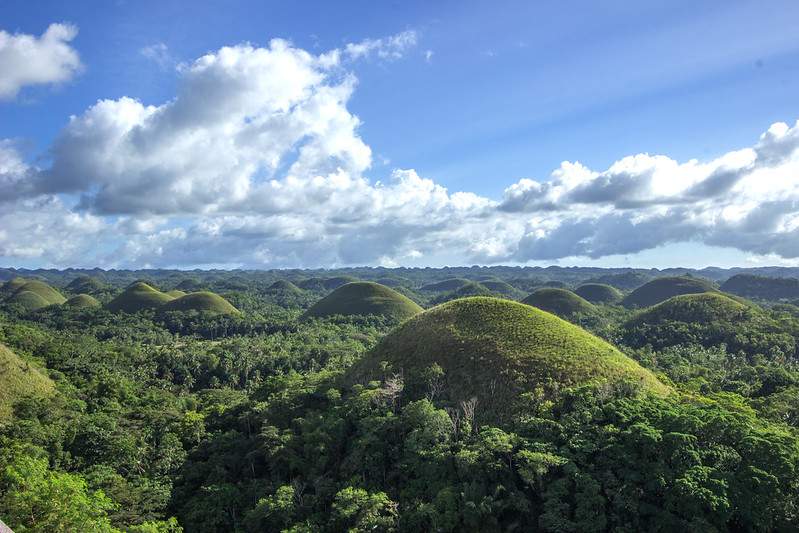
November is, honestly, one of my favorite months to recommend. You’re catching the tail end of the rainy season, so yes, you might encounter occasional showers—maybe one or two days of rain during your trip. But here’s the payoff: the weather is improving dramatically, the landscapes are lush and green from months of rain, and the tourist crowds haven’t fully arrived yet.
Temperatures are comfortable, hovering in that sweet spot where it’s warm enough for beaches but not so hot that you’re melting by noon. The humidity starts dropping too, which makes a bigger difference than you’d think. I’ve talked to travelers who visited in early November and caught some rain, and others in late November who had perfect sunshine. It’s a bit of a gamble, but the odds are increasingly in your favor as the month progresses.
Prices: Here’s where November gets interesting. Early November still has low-season rates on flights and hotels. By mid to late November, especially approaching Thanksgiving and the holiday season, prices start creeping up. If you book early, you can sometimes snag dry-season weather at wet-season prices—that’s the sweet spot everyone’s looking for.
Crowds: Significantly fewer tourists compared to December through February. Popular spots like El Nido and Boracay are pleasantly busy rather than packed. You can actually get decent photos without strangers photobombing your shot.
Best For: First-time visitors who want good weather without peak-season chaos, shoulder-season seekers, and anyone who wants value without sacrificing too much on weather reliability.
Festivals: November marks All Saints’ Day (November 1), when Filipinos visit cemeteries to honor deceased relatives—it’s a culturally significant time. You’ll also find various local festivals and the Day-ang Di Onga Festival in Baguio celebrating Cordilleran youth culture.
December: Peak Perfection (and Crowds)
Season: Peak high season
Temperature Range: 24-30°C
What to Expect: Perfect weather, festive atmosphere
December is when the Philippines really shows off. The weather is genuinely beautiful—clear blue skies, calm seas, that perfect balance where it’s hot enough to swim but cool enough to explore without feeling like you’re slowly roasting. The dry season is in full swing, and rain becomes an almost non-existent concern, especially after the first week or two.
But—and this is a big but—December is also when everyone else realizes the Philippines is amazing. Christmas is absolutely huge in the Filipino culture (the Philippines has one of the longest Christmas seasons in the world, starting in September!), so there’s this incredibly festive energy everywhere. You’ll see lights, decorations, parol (star lanterns), hear Christmas carols, and experience the warmth of Filipino holiday hospitality.
The flip side? December is expensive and crowded. Hotels book up months in advance, especially for the Christmas and New Year period. Flights spike in price. Popular islands like Boracay, El Nido, and Siargao are packed with tourists. If you’re someone who values solitude and empty beaches, December might frustrate you.
Prices: Peak season pricing across the board. Expect to pay 50-100% more than low-season rates, especially around Christmas week and New Year’s. If you’re visiting in December, book absolutely everything as far in advance as possible.
Crowds: Maximum tourist presence, both international and domestic. Filipino families travel during the holiday season, and overseas Filipino workers return home, making it one of the busiest times of year.
Best For: Special occasions like honeymoons or milestone trips where you want guaranteed perfect weather, families who want the Christmas experience, and anyone willing to pay premium prices for premium conditions.
Festivals: Christmas celebrations dominate, with the spectacular San Fernando Giant Lantern Festival in Pampanga being a major highlight. Christmas Symbols in Tangub City transforms the town into a light display wonderland.
January: Cool, Clear, and Crowded
Season: Peak high season
Temperature Range: 23-29°C
What to Expect: Coolest temperatures, minimal rain
January might just be the best weather month in the Philippines, period. It’s the coolest month of the year—though “cool” is relative; we’re still talking 23-29°C—and rainfall is at its absolute minimum. The seas are calm, visibility underwater is exceptional (divers, take note), and the humidity is as low as it gets in a tropical country.
This is the month where you can actually be active during midday without feeling like you need a cold shower every hour. Hiking, exploring cities, even just walking around feels comfortable rather than exhausting. The skies are consistently clear, sunsets are spectacular, and island hopping conditions are ideal with glassy seas.
The downside? January is arguably the most expensive month to visit. The holiday season extends into the first week or two of January, and even after that, prices stay elevated because the weather is so reliable. Hotels in popular destinations can cost twice what they would in May or September. And yes, it’s still very crowded—maybe slightly less frantic than December, but you’re definitely sharing those beaches.
Prices: Peak of peak season. January is the most expensive month for flights and accommodation, particularly in the first two weeks.
Crowds: Very crowded, though it eases slightly after the first week compared to December. Popular tour packages and island hopping tours fill up fast.
Best For: Families with school-age kids (coincides with winter breaks), luxury travelers who prioritize comfort over cost, divers seeking the best visibility, and anyone who absolutely cannot risk bad weather ruining their trip.
Festivals: Sinulog Festival in Cebu (third Sunday of January) is one of the Philippines’ grandest and most colorful festivals, honoring the Santo Niño. Ati-Atihan in Kalibo, Aklan, and Dinagyang in Iloilo are also massive cultural celebrations happening the same weekend. If you time your visit around these, you’ll witness incredible street dancing and cultural pageantry.
February: The Diver’s Dream Month
Season: High season
Temperature Range: 24-30°C
What to Expect: Driest month, excellent visibility
February takes everything good about January and cranks up the sunshine even more. This is statistically the driest month in the Philippines, with the lowest rainfall averages across most regions. If you’re a photographer or videographer, February gives you that crystal-clear light and deep blue skies that make every shot look like it’s been professionally edited.
For divers and snorkelers, February is arguably the best month of the year. Water visibility reaches its peak—we’re talking 30+ meters in places like Coron and Moalboal. The seas are calm, plankton is minimal, and marine life is active. Whether you’re diving WWII wrecks in Coron or swimming with whale sharks in Oslob (though please research the ethical concerns first), conditions are near-perfect.
Temperatures start climbing compared to January, especially towards the end of the month. It’s noticeably warmer, but not yet uncomfortably hot. The lack of rain means you can confidently plan multi-day sailing trips or overnight island hopping without worrying about cancellations.
Prices: Still high season rates, though sometimes marginally lower than January. Valentine’s Day (February 14) sees a spike in resort pricing, especially for romantic beachfront properties.
Crowds: Busy, though perhaps slightly less than December-January. Attractions remain popular, and tour boats are full, but you’re past the absolute peak.
Best For: Divers and underwater photographers seeking pristine conditions, couples (especially around Valentine’s Day), anyone who wants guaranteed sunshine and minimal rain risk.
Festivals: Chinese New Year celebrations are prominent given the large Filipino-Chinese community, particularly vibrant in Manila and Binondo (the world’s oldest Chinatown). Various local festivals continue throughout the month.
March: Heat Rising, Crowds Thinning
Season: Hot season beginning
Temperature Range: 25-32°C
What to Expect: Still dry, fewer crowds, prices dropping
March is where things start shifting. The weather is still predominantly dry—you’re not really worried about rain yet—but you’ll notice the temperature climbing, especially as you move toward April. By midday, it’s genuinely hot. We’re talking “seek shade and hydrate” levels of hot, particularly in urban areas like Manila or when you’re away from coastal breezes.
But here’s the trade-off that makes March interesting: the crowds start thinning out noticeably, and prices begin their descent from peak-season heights. Families have gone home after school breaks, and you’re entering the sweet spot where weather is still reliable but tourism pressure is easing. Beaches feel less packed, restaurants have tables available without reservations, and you’re not fighting for space on island hopping boats.
The heat is manageable if you plan around it. Book tours for early morning (the best light anyway), retreat to your air-conditioned hotel or a beach during the hot afternoon hours, and venture out again in the late afternoon and evening. Coastal areas benefit from sea breezes that make the heat much more tolerable than inland locations.
Prices: Starting to drop from peak season rates, though still elevated compared to low season. Mid to late March offers increasingly better value.
Crowds: Noticeably fewer tourists, particularly in the latter half of March. You’ll feel like you’re reclaiming some of those paradise vibes without the masses.
Best For: Budget-conscious travelers who still want good weather, heat-tolerant visitors who don’t mind the warmth, and anyone looking for a balance between conditions and crowds.
Festivals: March is festival season in many regions. You’ll find various cultural celebrations showcasing local heritage and traditions.
April: Maximum Heat, Holy Week Holidays
Season: Hot season
Temperature Range: 26-33°C
What to Expect: Very hot midday, thunderstorms starting
April is the hottest month in the Philippines. There’s no sugar-coating it—midday heat is intense, humidity is climbing, and you’ll understand why locals take siestas. In cities, the heat reflects off concrete and feels almost oppressive. Even at the beach, you’re grateful for every bit of shade and ocean breeze.
That said, April is still predominantly dry, especially early in the month. Late April often sees the first real thunderstorms rolling in—dramatic afternoon storms that cool things off temporarily but can be quite intense when they hit. The good news? These storms are usually short-lived. You get an hour of torrential rain, then it clears up.
April is also Holy Week, one of the most significant religious periods in the Catholic Philippines. Many Filipinos travel during this time, particularly from Holy Thursday through Easter Sunday. You’ll encounter domestic tourism spikes, with some destinations (especially pilgrimage sites and beaches close to Manila) getting quite crowded. Conversely, cities like Manila can feel almost empty as locals head to their provinces.
Some businesses close during Holy Week, especially on Holy Thursday and Good Friday. This can affect tour availability and restaurant options in certain areas.
Prices: Lower than peak season, though Holy Week itself sees a spike due to domestic tourism. Outside of Holy Week, you’ll find good deals.
Crowds: Variable—Holy Week is busy with domestic tourists, but the rest of April is quieter. International tourist numbers are declining.
Best For: Cultural enthusiasts who want to experience Holy Week traditions (processions, passion plays), heat-tolerant travelers, budget seekers willing to work around the temperature.
Festivals: Holy Week dominates April with processions, Stations of the Cross, and religious observances nationwide. The Moriones Festival in Marinduque is one of the most colorful, featuring men in Roman centurion masks reenacting biblical stories. Rodeo Festival in Masbate showcases cowboy culture with bull riding and carabao races.
May: Shoulder Season Sweet Spot
Season: Wet season beginning
Temperature Range: 26-34°C
What to Expect: Major price drops, still many sunny days
May is a month I really want people to consider more seriously. Yes, it’s technically the start of the wet season. Yes, it’s the hottest month temperature-wise, with averages reaching 28.3°C. And yes, humidity is climbing and afternoon thunderstorms become increasingly common as the month progresses.
But here’s what I love about May: you’re getting significant price drops—like 30-50% off peak season rates in some places—while still experiencing plenty of sunshine. Early May especially can feel a lot like March or April, just with cheaper accommodation and fewer tourists. You’ll have mornings and often full days that are sunny and beautiful, perfect for beaches and island hopping.
The key to May is flexibility and timing. Book tours for mornings when the weather is typically better. If you get an afternoon thunderstorm (and you probably will a few times), treat it as nature’s air conditioning and a good excuse to nap or catch up on reading. The rain cools everything off beautifully.
This is also when you start seeing the Philippines empty out tourist-wise. You can have beaches largely to yourself. Tours that were fully booked in February might have just you and one other couple. There’s something really special about experiencing popular destinations without the crowds.
Prices: Major drops from high season. Flights, hotels, and tours all become significantly more affordable. Great value month.
Crowds: Low and getting lower. Popular destinations feel much more tranquil.
Best For: Budget travelers who don’t mind some rain, off-season explorers, flexible travelers who can work around weather, anyone who values empty beaches over guaranteed sunshine.
Festivals: Numerous festivals celebrate agricultural bounty and cultural heritage. The Pili Festival in Sorsogon showcases the indigenous pili nut, while various flower festivals take advantage of the lush, rain-fed landscapes.
June: Rainy Season Arrives
Season: Wet season
Temperature Range: 25-32°C
What to Expect: Great value, mix of sun and rain
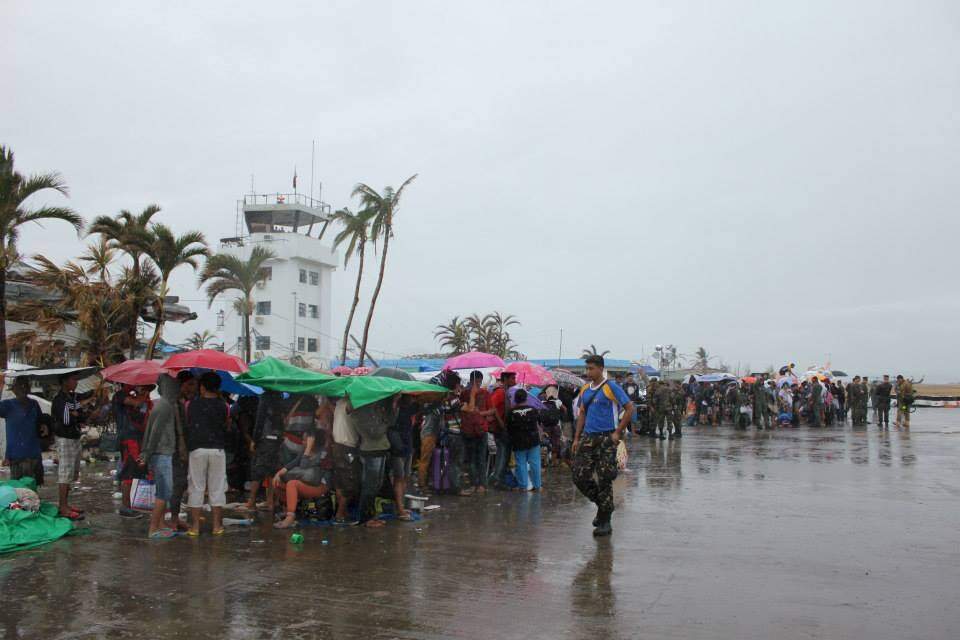
June is when the monsoon season genuinely kicks in. The Southwest Monsoon (locally called “Habagat”) brings regular rainfall, particularly in the western Philippines including Palawan, Manila, and the western coast of Luzon. You’ll experience more rainy days than sunny ones, though the pattern is usually sunshine in the morning with rain developing in the afternoon.
Sea conditions start becoming less predictable. Some days are perfectly calm and beautiful; others see rough waters that can cancel island hopping tours. This is where flexibility becomes crucial. If you have a week in El Nido, you might have two or three days of perfect weather for tours, a couple of days better spent exploring the town or relaxing at your hotel, and maybe one day that’s completely washed out.
The landscapes transform in the rain. Everything becomes incredibly lush and green. Waterfalls are at their most impressive, gushing with water. Rice paddies turn into brilliant green carpets. If you’re into photography, the dramatic skies and saturated colors can be stunning—when you can keep your camera dry.
Prices: Significant savings. Low-season rates are now in full effect. You can stay at resorts that would cost $200 in January for maybe $80-100 now.
Crowds: Very few international tourists. You might be one of the only foreigners at some destinations. This can feel wonderfully authentic or slightly lonely depending on your perspective.
Best For: Value seekers, flexible travelers with time to wait out bad weather days, nature lovers who appreciate lush landscapes, surfers (Siargao’s Cloud 9 can have good swells during wet season).
Festivals: The San Juan sa Hibok-Hibok Festival in Camiguin honors St. John the Baptist with water-themed festivities, including fluvial processions. Various coastal towns celebrate their fishing heritage.
July: Embracing the Rain
Season: Wet season
Temperature Range: 24-31°C
What to Expect: Lush landscapes, good deals continue
July is deep into rainy season. Regular afternoon storms are the norm, and some days it just rains intermittently all day. The humidity is high—your clothes never quite feel fully dry, and everything has this slightly damp quality. It’s not the Philippines most people imagine when they’re dreaming of a tropical vacation.
But I think July gets written off too quickly. Yes, it rains. Yes, you’ll have to adjust your plans. But the Philippines in July has this raw, vibrant quality. The countryside is absolutely stunning, with waterfalls at their most powerful and rice terraces brilliantly green. If you’re visiting places like Banaue or Sagada in the mountains, July’s rain creates a mystical, cloud-shrouded atmosphere that’s actually quite beautiful.
Beach destinations are trickier. Palawan, in particular, can be quite rainy. But eastern destinations like Siargao sometimes fare better, and you can catch windows of good weather. The key is having backup indoor activities—museums, cooking classes, spa days—planned for when the weather doesn’t cooperate.
Prices: Rock-bottom rates continue. This is seriously budget-friendly territory.
Crowds: Minimal tourists. You’re getting an authentic local experience simply because there’s almost no one else there.
Best For: Nature lovers who appreciate dramatic landscapes, budget-focused travelers, cultural enthusiasts who want authentic experiences without tourist influence, long-term travelers or digital nomads who can afford to be patient.
Festivals: Various regional festivals continue, celebrating local heritage with less tourist spectacle and more community authenticity.
August: Typhoon Watch
Season: Wet season
Temperature Range: 24-31°C
What to Expect: Fewer tourists, dramatic scenery
August is where the wet season gets more serious. This is the beginning of peak typhoon season, and while not every August sees major storms, the risk is real. Typhoons can disrupt travel significantly—flights get cancelled, ferry services stop, island hopping tours are scrapped, and in the worst cases, you might be stuck in your hotel for a day or two waiting for a storm to pass.
Northern Luzon and Eastern Visayas are most vulnerable to typhoons. Mindanao, particularly the southern regions, is largely outside the typhoon belt and continues to be more stable. If you’re considering August, perhaps think about destinations like Davao, General Santos, or Camiguin that have less typhoon exposure.
The upside—and yes, there is one—is that prices hit their absolute lowest, you essentially have destinations to yourself, and if you’re lucky with timing between storms, you can experience the Philippines in a wonderfully uncrowded state. You need travel insurance with weather coverage, though. That’s non-negotiable.
Prices: Absolute lowest prices of the year. Hotels sometimes slash rates by 70% compared to peak season.
Crowds: Hardly any tourists. Popular spots feel almost abandoned.
Best For: Off-season adventurers with flexible schedules, ultra-budget travelers willing to take weather risks, digital nomads who can work from anywhere and wait out storms.
Festivals: The Ibalong Festival in Legazpi City depicts Bicol’s legendary heroes through street dancing. Higalaay Festival in Cagayan de Oro celebrates the city’s patron saint with week-long festivities.
September: The Wettest Month
Season: Wet season
Temperature Range: 24-31°C
What to Expect: Lowest prices, beautiful green landscapes
September is statistically the wettest month in many parts of the Philippines, and it sits right in the middle of peak typhoon season. I won’t sugarcoat this—September is challenging for tourism. Expect frequent rain, potential typhoons, tour cancellations, and the possibility of being stuck indoors more than you’d like.
Many beach resorts operate at reduced capacity or close entirely during September. Some island hopping tour operators simply don’t run tours because sea conditions are too unpredictable and dangerous. If you do visit in September, you need to go in with very low expectations for outdoor activities and very high patience for weather disruptions.
That said, if you’re visiting for reasons other than beaches—maybe you’re here for work, volunteering, visiting family, or exploring cities and cultural sites—September is actually okay. Manila, Cebu City, and other urban areas function normally. Museums, restaurants, shopping, and indoor attractions are all available. It’s just the island paradise experience that becomes difficult.
Prices: Rock-bottom. You can find absurd deals on accommodation and flights.
Crowds: Virtually no tourists. You might be the only foreigner around.
Best For: Extreme budget travelers with maximum flexibility, people visiting the Philippines for non-tourist reasons, rain lovers (they exist!), anyone who wants to experience the Philippines completely devoid of tourist infrastructure.
Festivals: The Peñafrancia Festival in Naga City (Bicol) is one of the largest Marian celebrations in Asia, with the Traslacion procession moving the image of Our Lady of Peñafrancia in a spectacular display of devotion.
October: Transition Month
Season: Wet season ending
Temperature Range: 24-31°C
What to Expect: Amazing deals, dramatic weather clearing
October is a transition month that I find really interesting. The first half often continues the wet, typhoon-prone patterns of August and September. But as you move into late October, you can start feeling the shift—rain becomes less constant, skies clear more frequently, and there’s this sense of the dry season approaching.
If you’re willing to gamble a bit, late October can offer incredible value. You’re getting low-season prices while weather conditions are improving daily. The landscapes are still beautifully lush from months of rain, but you’re starting to get more sunny days. It’s like catching the wave right as it’s starting to build.
Tourism infrastructure starts ramping back up. Resorts that scaled back operations during September begin reopening fully. Tour operators resume full schedules. There’s an energy as everyone prepares for the busy months ahead, but you’re there before the crowds arrive.
Prices: Still low season rates, though you might see slight increases in late October as things prepare for November.
Crowds: Very few tourists, though domestic tourism picks up slightly later in the month.
Best For: End-of-season bargain hunters, travelers who can be flexible with dates to avoid lingering bad weather, anyone looking to beat the November crowds while getting improving conditions.
Festivals: MassKara Festival in Bacolod (third weekend of October) is a massive celebration featuring elaborate masks and street dancing. Various harvest festivals throughout the country give thanks for agricultural bounty.
Regional Weather Variations
Here’s something crucial that general Philippines weather guides often gloss over: weather patterns vary significantly across the archipelago. The country is huge, stretching over 1,850 kilometers from north to south. What’s happening in Manila might be completely different from Palawan or Mindanao.
Luzon (North)
Luzon experiences the most dramatic seasonal variations. The northern and eastern coasts are particularly vulnerable to typhoons, especially July through October. Western Luzon, including Manila, gets heavy rainfall during the southwest monsoon (June-October). Baguio and the Cordillera mountains can be surprisingly cool year-round, sometimes dropping to 15°C in January.
Visayas (Central)
The Visayas region, including Boracay, Cebu, and Bohol, has relatively stable weather compared to Luzon. The dry season is pronounced and reliable (November-May), while the wet season tends to be less intense than in Luzon, though still present. Eastern Visayas can catch typhoons, but Central and Western Visayas are somewhat more protected.
Palawan
Palawan follows western Philippines patterns with a clear dry season (November-May) and wet season (June-October). The island’s geography—long and narrow—means weather can vary significantly even within Palawan. El Nido and Coron generally see similar patterns, but Puerto Princesa, being further south, sometimes has slightly different conditions.
Mindanao (South)
Mindanao is the wild card. The southern regions, particularly areas like Davao and General Santos, sit largely outside the typhoon belt and have more evenly distributed rainfall throughout the year. There’s less dramatic dry/wet season distinction. This makes Mindanao destinations like Siargao or Camiguin potentially good options even during months when the rest of the Philippines is getting hammered by typhoons.
What to Do During Typhoon Season
Since several months of the year carry typhoon risks, let me give you some practical advice if you’re visiting during these months or if a typhoon develops while you’re there.
Before Your Trip:
- Get comprehensive travel insurance that covers weather-related cancellations and disruptions
- Build flexibility into your itinerary—don’t book back-to-back non-refundable arrangements
- Download weather tracking apps like Windy or the official PAGASA (Philippine Atmospheric, Geophysical and Astronomical Services Administration) app
- Have the contact information for your country’s embassy or consulate
During a Typhoon:
- Follow local advice and warnings from PAGASA—they use a signal system (1-5) to indicate severity
- Stay indoors and away from windows during the storm
- Stock up on water, snacks, and make sure devices are fully charged (power outages are common)
- Don’t try to travel during or immediately after a typhoon—roads flood, and downed power lines are dangerous
- Be patient and flexible—tour operators and airlines will reschedule when it’s safe
Seasonal Activities Guide
Different seasons open up different activities and experiences. Here’s what to prioritize when:
Dry Season (Nov-May) Activities
Island hopping is at its absolute best. Calm seas, clear skies, minimal seasickness—this is when you do the El Nido tours, Coron island adventures, and multi-day sailing trips. Diving and snorkeling have peak visibility during these months, especially January-March. Beach relaxation is obviously ideal. Hiking and outdoor adventures like trekking to viewpoints or exploring caves are comfortable in the drier conditions.
Wet Season (Jun-Oct) Activities
Surfing actually improves during the wet season in certain spots—Siargao’s Cloud 9, in particular, can have excellent swells during the southwest monsoon. Waterfall chasing is spectacular because waterfalls are at their most impressive, gushing with water. Cultural experiences—visiting museums, historical sites, local markets—are perfect rainy day activities. Festivals continue year-round and are often more authentic during low tourist season.
My Personal Recommendations
Okay, after all that information, let me give you my honest bottom-line recommendations:
If this is your first trip and you want everything to go smoothly: Visit in January or February. Yes, it’s expensive and crowded, but the weather is reliable, everything operates smoothly, and you’ll see the Philippines at its most accessible and beautiful.
If you want the best overall value: Late November or May are the sweet spots. You’re getting decent to good weather at significantly lower prices with manageable crowds.
If you’re on a tight budget and flexible: June or October give you affordable prices with weather that’s unpredictable but not guaranteed terrible. You’ll have rain, but you’ll also likely have good days.
If you’re an experienced traveler who doesn’t mind adventure: September or early October offer the lowest prices and most authentic experiences, but you need patience, flexibility, and realistic expectations about weather.
If you’re diving: February is unbeatable for visibility and conditions.
If you hate crowds: May through October will give you empty beaches and authentic experiences, but you’ll trade that for weather uncertainty.
Final Thoughts
Here’s what I really want you to take away from this: there’s no objectively perfect month to visit the Philippines. What matters is aligning your priorities—weather reliability, budget, crowds, specific activities—with the month that delivers those things.
I’ve seen travelers have absolutely magical experiences in September because they went in with the right expectations and got lucky with weather. I’ve also seen people frustrated in January because they didn’t realize how crowded it would be. Your attitude and expectations honestly matter as much as the actual weather.
The Philippines is beautiful year-round. It’s just that some months make it easier to access that beauty than others. Whatever month you choose, go in informed, stay flexible, and embrace whatever experience the islands give you. That’s when the magic happens.
For more detailed planning help, check out my comprehensive Philippines travel guide, and when you’re ready to plan your itinerary, see my sample 7, 10, and 14-day itineraries that account for different seasons and travel styles.
Safe travels, and may the weather gods smile on your Philippines adventure!