
Canada has a habit of making distances feel meaningless.
You might spend the morning walking through the historic streets of Quebec City, then find yourself a few days later standing beside a turquoise mountain lake in the Rockies. Travel a little farther and the scenery changes again. Rugged coastlines replace mountains. Whale-watching boats replace hiking trails. French-speaking communities give way to remote wilderness where the northern lights occasionally steal the show.
That’s part of what makes Canada so fascinating.
It’s difficult to sum up the country in a single image because there isn’t one defining landscape. Canada is home to vibrant cities, glacier-fed lakes, dramatic mountain ranges, charming coastal towns, and some of the largest wilderness areas on Earth.
The challenge isn’t finding somewhere worth visiting.
It’s deciding where to start.
If you’re planning a trip and wondering where to visit in Canada, this guide highlights some of the country’s most memorable destinations, from iconic national parks to lesser-known regions that deserve a place on your itinerary.
Where should first-time visitors go in Canada?
For first-time visitors, a handful of destinations consistently deliver the classic Canadian experience.
If you only have one trip to work with, these places are often the safest bets:
- Banff National Park
- Lake Louise
- Vancouver
- Toronto
- Quebec City
- Niagara Falls
- Jasper National Park
Together, they showcase many of the landscapes and experiences Canada is famous for.
That said, Canada rewards curiosity.
Some of the most memorable places aren’t necessarily the most famous.
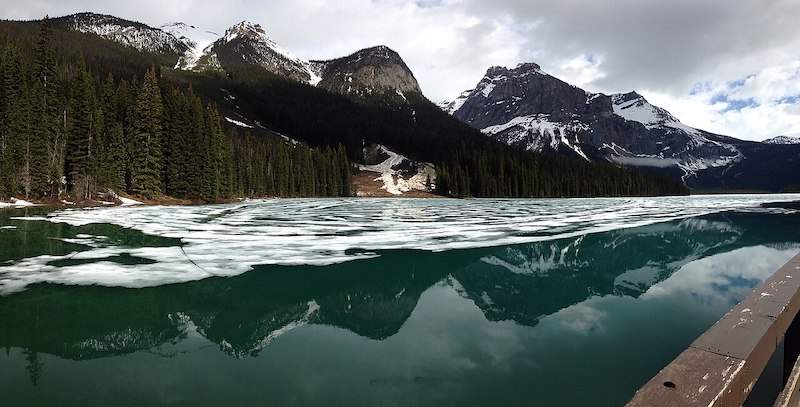
1. Banff National Park, Alberta
If Canada had a postcard destination, Banff would probably be it.
The national park is one of the country’s most visited attractions, and for good reason. Snow-capped peaks rise above pine forests, turquoise lakes appear around unexpected corners, and wildlife sightings are common enough that locals barely seem surprised by them anymore.
The first thing many visitors notice is the scale.
Photographs can prepare you for the scenery, but they rarely capture how enormous the landscape feels in person. Mountains seem to stretch endlessly in every direction.
There are countless ways to explore the park.
Some people spend their days hiking. Others prefer scenic drives, canoe trips, or simply sitting beside a lake and taking it all in.
Banff also works surprisingly well for travelers who don’t consider themselves particularly outdoorsy.
You don’t need to climb a mountain to appreciate the beauty of the place.
Sometimes the view from a roadside pullout is enough.
2. Lake Louise, Alberta
Even in a country filled with spectacular scenery, Lake Louise manages to stand out.
The lake is famous for its striking turquoise colour, which comes from fine rock particles carried into the water by glacial melt. The science is interesting, but most people are too busy staring at the lake to think about geology.
On calm mornings, the surrounding mountains reflect perfectly on the water’s surface.
It almost doesn’t look real.
The area attracts visitors throughout the year. Summer brings hiking, canoeing, and long daylight hours. Winter transforms the lake into a snow-covered landscape where ice skating replaces paddling.
If you’re wondering what to do in Canada that feels genuinely iconic, standing on the shores of Lake Louise should be high on the list.
3. Moraine Lake, Alberta
Lake Louise often gets the headlines, but many travelers end up preferring Moraine Lake.
Tucked within the Valley of the Ten Peaks, the lake feels a little wilder and more dramatic. The surrounding mountains rise sharply from the shoreline, creating one of the most photographed landscapes in the country.
The colour of the water can be almost startling on sunny days.
It’s the sort of place where people arrive intending to stay for twenty minutes and end up lingering much longer.
Sunrise is particularly special.
As the first light reaches the peaks above the lake, the entire scene seems to shift and change by the minute.
Getting here requires a little planning, especially during peak season, but the effort is usually rewarded.
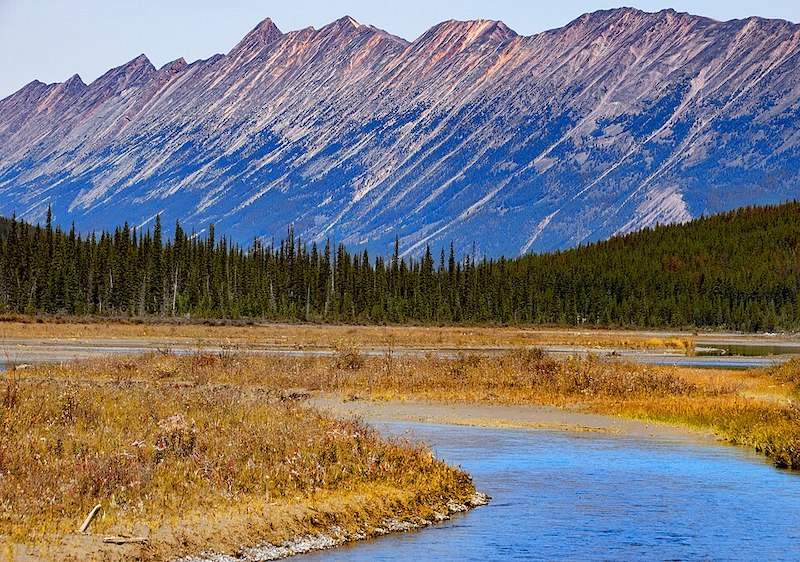
4. Jasper National Park, Alberta
While Banff attracts most of the attention, Jasper offers a different experience.
The scenery is every bit as impressive, yet the atmosphere often feels more relaxed.
The roads are quieter. The crowds are smaller. The wilderness feels a little more untamed.
Jasper is one of the best places to visit in Canada for travelers who enjoy outdoor adventures. Hiking trails, wildlife viewing opportunities, canoe routes, and scenic drives are found throughout the park.
It’s also one of the world’s largest accessible dark sky preserves.
On clear nights, the stars seem endless.
And if you’re lucky, you might even catch a glimpse of the northern lights dancing across the sky.
5. Icefields Parkway, Alberta
Not every destination is a place.
Sometimes the journey itself becomes the highlight.
The Icefields Parkway connects Banff and Jasper through some of the most spectacular scenery in North America.
Over roughly 230 kilometres, the road passes glaciers, waterfalls, mountain lakes, and dramatic viewpoints that seem to appear around every bend.
Many travelers underestimate how long the drive will take.
Not because of traffic.
Because they keep stopping.
A waterfall appears on the left. A glacier comes into view on the right. Then another viewpoint appears a few kilometres later.
What looks like a three-hour drive on a map often turns into a full day of exploration.
And nobody seems to mind.
6. Vancouver, British Columbia
Vancouver occupies a rare position among major cities.
It’s large enough to feel cosmopolitan yet surrounded by enough natural beauty that outdoor adventures remain part of daily life.
On one side, you’ll find the Pacific Ocean.
On the other, mountains rise above the city skyline.
It’s not unusual for locals to spend the morning hiking and the afternoon exploring cafés, markets, or waterfront neighbourhoods.
For visitors, Vancouver offers a little bit of everything.
Stanley Park remains one of the city’s highlights, while Granville Island, Gastown, and the seawall provide plenty of opportunities to explore at a slower pace.
The food scene is another major draw.
Thanks to the city’s multicultural population and coastal location, fresh seafood and international cuisine feature heavily on many itineraries.
7. Vancouver Island, British Columbia
Despite the name, Vancouver Island feels completely different from Vancouver itself.
Life moves more slowly here.
The island is known for rugged coastlines, charming towns, ancient forests, and some of the best wildlife viewing opportunities in Canada.
Victoria, the provincial capital, often serves as the gateway.
With its historic buildings, waterfront setting, and walkable centre, it’s easy to see why people enjoy spending a few days here.
Beyond the city, the island becomes increasingly wild.
Whale-watching tours operate throughout much of the year, while destinations such as Tofino and Pacific Rim National Park attract surfers, hikers, and nature lovers.
For many travelers, Vancouver Island represents the perfect balance between comfort and adventure.
8. Tofino, British Columbia
There was a time when Tofino felt like a remote secret.
Those days are long gone.
Yet despite its growing popularity, the town still retains a laid-back atmosphere that makes it easy to understand why people fall in love with it.
Located on the west coast of Vancouver Island, Tofino is surrounded by ocean, rainforest, and rugged beaches.
Storm watching has become a popular activity during the cooler months, while summer attracts surfers, kayakers, and visitors looking to spend time outdoors.
What surprises many people is how peaceful the area feels.
Even after a busy day exploring, it’s easy to find a quiet stretch of beach where the only sounds are waves and seabirds.
In a country filled with spectacular destinations, Tofino remains one of the most memorable.
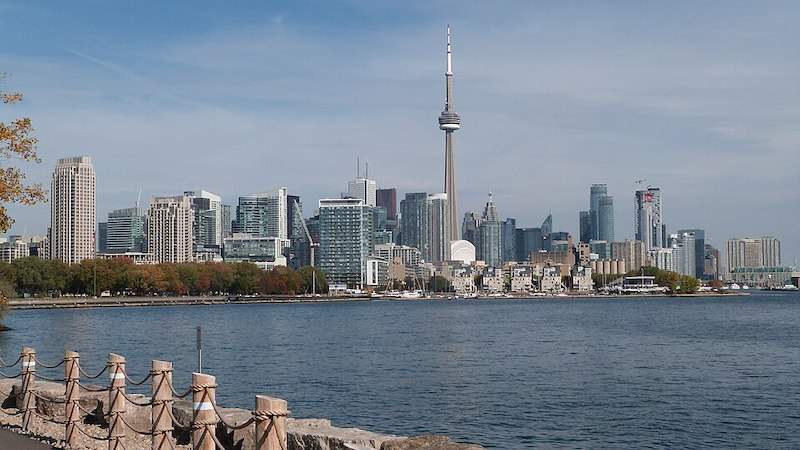
9. Toronto, Ontario
Toronto often serves as the starting point for international visitors, but it deserves more than a quick stopover.
As Canada’s largest city, Toronto offers an energy and diversity that reflects the country itself.
Neighbourhoods blend together in fascinating ways. One moment you’re exploring Kensington Market. A few blocks later you’re surrounded by the restaurants and shops of Chinatown. Continue walking and the atmosphere changes again.
The city is also home to many of Canada’s most recognisable landmarks.
The CN Tower dominates the skyline, while waterfront areas along Lake Ontario provide a different perspective on the city.
What makes Toronto interesting isn’t a single attraction.
It’s the variety.
No matter how long you stay, there’s always another neighbourhood waiting to be explored.
10. Niagara Falls, Ontario
Some attractions become so famous that they almost feel impossible to evaluate fairly.
Niagara Falls is one of them.
Everyone has seen photographs. Most people know roughly what to expect. Millions of visitors arrive every year with sky-high expectations.
And yet, the first glimpse of the falls still tends to stop people in their tracks.
The sheer volume of water is difficult to comprehend until you’re standing beside it. Water crashes over the edge with incredible force, sending mist high into the air and creating a constant roar that can be heard long before the falls come into view.
Photographs capture the shape of Niagara Falls.
They don’t capture the sound.
Or the feeling of standing close enough to feel the spray on your face.
Boat tours bring visitors right to the base of the falls, while observation decks provide panoramic views from above.
Yes, it’s touristy.
But some places become popular for a reason.
11. Quebec City, Quebec
If someone dropped you into the centre of Old Quebec without any context, you could easily believe you were somewhere in Europe.
Cobblestone streets wind between historic buildings. Church spires rise above the skyline. Small cafés spill onto narrow lanes during the warmer months.
It’s unlike anywhere else in Canada.
Quebec City is one of North America’s oldest European settlements and remains one of the most distinctive places to visit in Canada.
The historic district, a designated UNESCO World Heritage Site, is particularly rewarding to explore on foot.
Part of the appeal is that there isn’t always a clear destination.
You simply wander.
Turn a corner and discover a hidden square. Follow a side street and stumble upon a centuries-old building. Pause for coffee and watch daily life unfold around you.
Some cities are best experienced through museums and attractions.
Quebec City is best experienced by walking.
12. Montreal, Quebec
Montreal feels different from every other major Canadian city.
It’s creative, energetic, and proudly independent in character.
The city blends old and new remarkably well. Historic stone buildings sit alongside contemporary architecture, while neighbourhoods constantly reinvent themselves without losing their identity.
Food plays a major role in daily life here.
Locals take restaurants seriously, and visitors quickly discover why. From bagels and smoked meat sandwiches to fine dining and international cuisine, Montreal rewards anyone who arrives hungry.
Then there’s the atmosphere.
Street performers gather in public squares. Festivals seem to appear throughout the year. Music spills from bars and cafés.
The city feels alive in a way that’s difficult to explain but easy to appreciate.
For travelers who enjoy culture, food, and urban exploration, Montreal often becomes an unexpected favourite.
13. Ottawa, Ontario
Canada’s capital sometimes gets overshadowed by Toronto and Montreal.
That’s a mistake.
Ottawa may not be as large as its neighbours, but it offers a fascinating mix of history, culture, and green space.
Parliament Hill is the obvious starting point. The impressive Gothic Revival buildings overlook the Ottawa River and remain one of the country’s most recognisable landmarks.
Beyond the political centre, the city reveals a quieter side.
Museums rank among the best in Canada, while walking and cycling paths follow the river through surprisingly scenic surroundings.
Visit during winter and you might find people skating along the Rideau Canal, the world’s largest naturally frozen skating rink.
Visit in summer and the city feels entirely different again.
Ottawa rarely demands attention.
It simply rewards those who spend time exploring it.
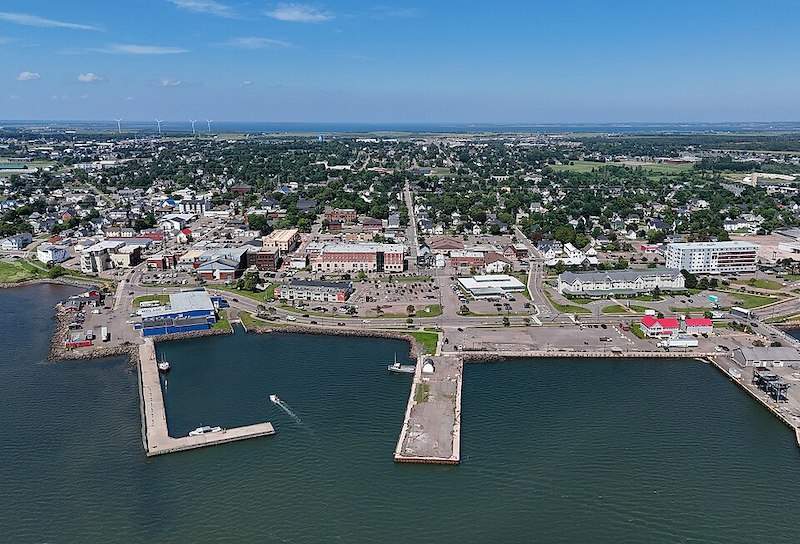
14. Prince Edward Island
Prince Edward Island often feels like it belongs in a different era.
Rolling farmland stretches toward the horizon. Red sandstone cliffs rise above the ocean. Small fishing villages sit quietly along the coastline.
Life seems to move a little more slowly here.
The island is perhaps best known as the setting for Anne of Green Gables, but even visitors unfamiliar with the books tend to fall for the scenery.
The coastline is the star attraction.
One moment you’re walking along a windswept beach. A short drive later you’re standing beside dramatic red cliffs overlooking the Gulf of St. Lawrence.
Fresh seafood appears on menus everywhere, and the island’s famous lobster is reason enough for some people to visit.
Prince Edward Island doesn’t rely on big-ticket attractions.
Its charm comes from the landscape and the pace of life.
15. Bay of Fundy, New Brunswick
The Bay of Fundy is home to one of the most remarkable natural phenomena in the world.
The tides here are enormous.
Twice each day, billions of tonnes of seawater flow in and out of the bay, creating the highest tides on Earth.
The result is a coastline that changes dramatically throughout the day.
Places that appear to be beaches in the morning can be underwater a few hours later.
One of the best examples is Hopewell Rocks, where towering rock formations stand like giant sculptures along the shore.
At low tide, you can walk on the ocean floor.
Return later and the same area is covered by water.
It’s one of those experiences that sounds exaggerated until you see it yourself.
16. Cape Breton Highlands National Park, Nova Scotia
Driving the Cabot Trail through Cape Breton Highlands National Park is one of Canada’s great road trips.
The route hugs dramatic coastlines, climbs high above the ocean, and passes through landscapes that seem designed for long, unhurried drives.
Every few kilometres brings another reason to stop.
A viewpoint overlooking the Gulf of St. Lawrence.
A hiking trail disappearing into the hills.
A stretch of coastline where the mountains meet the sea.
Autumn is particularly spectacular.
As the leaves change colour, the landscape transforms into a patchwork of red, orange, and gold.
It’s beautiful throughout the year, but fall gives the region an entirely different character.
17. Gros Morne National Park, Newfoundland and Labrador
Some destinations look familiar.
Gros Morne doesn’t.
The landscape feels almost otherworldly in places, shaped by geological forces that continue to fascinate scientists and visitors alike.
Towering cliffs rise above fjords. Coastal communities sit beside rugged shorelines. Vast wilderness stretches across the interior.
Then there are the Tablelands.
This unusual landscape contains exposed rock from deep within the Earth’s mantle, creating terrain that looks more like Mars than Atlantic Canada.
Even travelers who know little about geology find themselves captivated by the scenery.
The park feels remote in the best possible way.
It’s a destination that rewards curiosity and a willingness to venture a little farther from Canada’s most popular tourist routes.
18. Thousand Islands, Ontario
Between Ontario and New York State lies a region that often surprises first-time visitors.
The Thousand Islands are exactly what the name suggests: hundreds of islands scattered across the St. Lawrence River.
Some are large enough to support castles and grand homes.
Others contain little more than a single cottage and a few trees.
The best way to explore the area is from the water.
Boat cruises weave between the islands, revealing hidden coves, historic landmarks, and constantly changing scenery.
It’s peaceful, scenic, and very different from the mountain landscapes many people associate with Canada.
For travelers looking beyond the country’s headline attractions, the Thousand Islands offer something refreshingly different.
19. Churchill, Manitoba
Few destinations in the world offer the wildlife encounters found in Churchill.
Located on the shores of Hudson Bay, this remote town is often called the polar bear capital of the world.
Each autumn, polar bears gather near the area as they wait for sea ice to form.
Specially designed tundra vehicles allow visitors to observe them safely in their natural habitat.
The experience is unforgettable.
But Churchill isn’t only about polar bears.
Beluga whales visit the surrounding waters during summer, while winter brings opportunities to witness the northern lights dancing across the sky.
It’s not the easiest destination to reach.
Then again, the most extraordinary places rarely are.
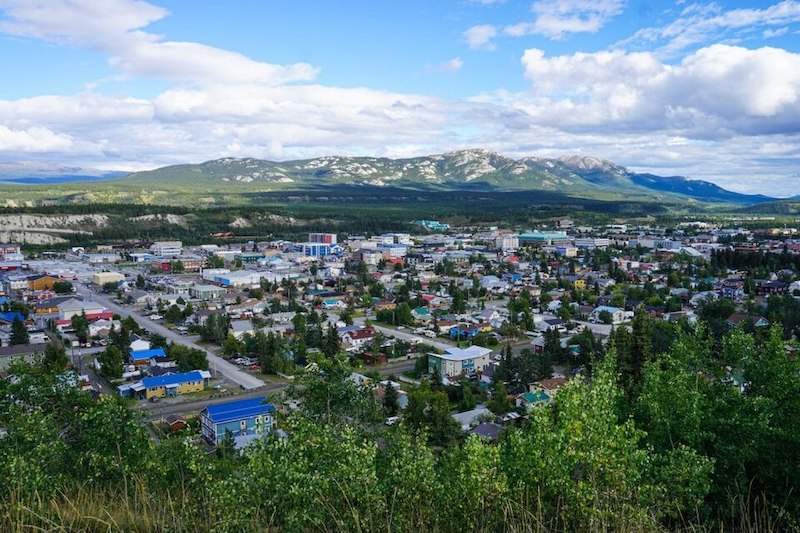
20. Whitehorse and the Yukon
There are parts of Canada that feel vast.
Then there’s the Yukon.
The territory’s landscapes seem almost endless. Mountains, rivers, forests, and wilderness stretch far beyond the horizon.
Whitehorse serves as the gateway.
Despite being the largest community in the territory, it still feels closely connected to the surrounding wilderness.
Many travelers come hoping to see the northern lights.
Others arrive for hiking, wildlife viewing, canoeing, or simply to experience a part of Canada that remains wonderfully untamed.
The Yukon isn’t for travelers looking for busy itineraries and packed sightseeing schedules.
It’s for those who enjoy wide-open spaces and the feeling of genuine adventure.
And in a country filled with remarkable destinations, that makes it one of the most memorable places to go in Canada.
21. Whistler, British Columbia
Most people know Whistler as a winter destination.
And to be fair, it does winter exceptionally well.
When snow blankets the mountains, skiers and snowboarders arrive from around the world to tackle the slopes of Whistler Blackcomb, one of North America’s largest ski resorts.
But limiting Whistler to winter would be doing it a disservice.
Once the snow begins to melt, the region transforms into an entirely different playground. Hiking trails open up, mountain biking takes centre stage, and alpine lakes begin reflecting the surrounding peaks.
The village itself strikes a nice balance between lively and relaxed.
You can spend the morning exploring the mountains and the afternoon lingering over coffee on a sunny patio.
One of the highlights is the Peak 2 Peak Gondola, which glides high above forests and valleys while connecting Whistler and Blackcomb Mountains. Even people who aren’t usually enthusiastic about cable cars tend to remember this one.
Whistler works because it never relies on a single season.
No matter when you visit, there’s usually something happening outdoors.
22. Calgary, Alberta
Calgary often gets treated as a gateway to the Rockies.
People fly in, collect a rental car, and immediately head for Banff.
That’s understandable.
But it’s worth giving the city a little attention before driving west.
Calgary blends modern city life with a strong connection to its western heritage. Glass skyscrapers dominate parts of downtown, yet cowboy culture remains an important part of the city’s identity.
The Calgary Stampede, held each summer, is the most obvious example.
For ten days, the city embraces rodeos, concerts, exhibitions, and events that attract visitors from across the globe.
Outside Stampede season, Calgary still offers plenty to explore.
The Bow River pathways provide excellent walking and cycling opportunities, while neighbourhoods such as Kensington and Inglewood offer independent shops, cafés, and restaurants that give the city plenty of character.
It may not receive the same attention as Vancouver or Montreal, but Calgary often surprises people in the best possible way.
23. Haida Gwaii, British Columbia
Some places feel disconnected from the rest of the world.
Haida Gwaii is one of them.
Located off the northern coast of British Columbia, this remote archipelago has long been considered one of Canada’s most unique destinations.
The journey here requires more effort than many other places on this list.
That’s part of the appeal.
Ancient forests cover much of the islands. Rugged coastlines stretch for miles. Wildlife is abundant. The culture and history of the Haida Nation remain deeply woven into the landscape.
Travel here isn’t about rushing from attraction to attraction.
It’s about slowing down.
Taking time.
Listening.
Visitors often leave with a stronger understanding of both Canada’s natural environment and Indigenous heritage.
The scenery is spectacular, but what tends to stay with people is the sense of place.
Haida Gwaii feels distinct.
Not just from the rest of Canada, but from almost anywhere else.
24. Pacific Rim National Park Reserve, British Columbia
The west coast of Vancouver Island is home to some of Canada’s most dramatic coastal scenery.
Pacific Rim National Park Reserve protects a stretch of shoreline where rainforest, mountains, and ocean collide.
The result is stunning.
Long beaches disappear into the distance. Waves roll in from the Pacific. Dense forests begin almost at the water’s edge.
The park is divided into several sections, each offering something different.
Long Beach attracts surfers, walkers, and photographers. The Broken Group Islands appeal to kayakers and adventurers. The famous West Coast Trail challenges experienced hikers looking for a multi-day wilderness experience.
You don’t need to be an expert outdoorsperson to appreciate the park, though.
Sometimes the best experience is simply standing on the beach watching the ocean.
The weather changes quickly here.
One moment the coastline is bathed in sunshine. The next, mist drifts in from the sea.
That unpredictability only adds to the atmosphere.
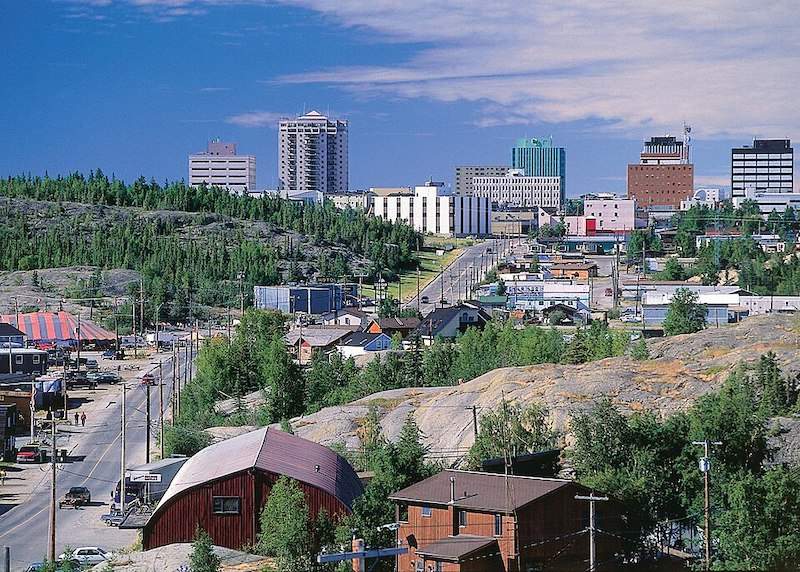
25. Yellowknife, Northwest Territories
If seeing the northern lights sits high on your travel wish list, Yellowknife deserves serious consideration.
Located on the shores of Great Slave Lake, the city has become one of the world’s most reliable places to witness the aurora borealis.
On clear nights, ribbons of green, purple, and white light move across the sky in patterns that never seem entirely predictable.
Even people who have seen photographs countless times are often unprepared for the real thing.
The lights don’t simply appear.
They dance.
They shift.
They brighten and fade.
And for a few minutes, everyone seems to forget about their camera.
Of course, Yellowknife offers more than aurora viewing.
Summer brings long daylight hours, boating opportunities, and access to vast wilderness areas. Winter delivers frozen landscapes and a sense of adventure that feels uniquely northern.
It’s a destination that reminds you just how large Canada really is.
The most beautiful places in Canada
Ask ten Canadians to name the most beautiful place in the country and you’ll probably receive ten different answers.
That’s partly because Canada contains such an extraordinary range of landscapes.
Some travellers immediately think of the Rocky Mountains.
Others picture Atlantic coastlines, remote northern wilderness, or turquoise lakes surrounded by towering peaks.
If you’re looking for Canada’s most beautiful destinations, these consistently rank among the favourites:
- Banff National Park
- Lake Louise
- Moraine Lake
- Jasper National Park
- Icefields Parkway
- Cape Breton Highlands National Park
- Gros Morne National Park
- Pacific Rim National Park Reserve
- Haida Gwaii
- Yukon wilderness
- Niagara Falls
- Bay of Fundy
Each offers something different.
Some impress through scale. Others through atmosphere. A few manage both.
Things to do in Canada
One reason Canada appeals to such a wide variety of travellers is the sheer range of experiences available.
You can spend one trip exploring major cities and the next focusing entirely on outdoor adventures.
Some of the best things to do in Canada include:
Drive the Icefields Parkway
One of the world’s great scenic drives, connecting Banff and Jasper through spectacular mountain landscapes.
See Niagara Falls up close
Whether from a boat or observation deck, experiencing the falls in person remains one of Canada’s classic attractions.
Watch whales off Vancouver Island
Depending on the season, it’s possible to see orcas, humpbacks, grey whales, and other marine wildlife.
Explore Old Quebec
Few places in North America feel quite like Quebec City’s historic centre.
Ride the Rocky Mountaineer
This luxury train journey showcases some of the country’s most dramatic scenery.
Experience the northern lights
Destinations such as Yellowknife, Whitehorse, and Churchill provide excellent opportunities to witness the aurora borealis.
Hike in the Canadian Rockies
From short lakeside walks to multi-day adventures, the Rockies offer trails for every ability level.
Visit Canada’s national parks
The country protects vast areas of wilderness, many of which rank among the most beautiful places on Earth.
Best places to visit in Canada by season
Canada changes dramatically throughout the year.
Choosing the right season can completely shape your experience.
Summer (June to August)
Best for:
- Banff
- Jasper
- Vancouver Island
- Prince Edward Island
- Cape Breton
- Newfoundland
Summer brings long daylight hours and ideal conditions for outdoor activities.
Fall (September to October)
Best for:
- Quebec
- Ontario
- Cape Breton Highlands
- Algonquin Provincial Park
- Laurentians
Autumn colours transform many parts of the country into a patchwork of red, orange, and gold.
Winter (November to March)
Best for:
- Whistler
- Banff
- Yellowknife
- Quebec City
- Churchill
Winter is perfect for skiing, snow sports, and northern lights viewing.
Spring (April to May)
Best for:
- Vancouver
- Victoria
- Niagara region
- Ottawa
Spring offers fewer crowds and gradually warming temperatures.
Canada doesn’t really have a bad season.
It simply offers different experiences depending on when you arrive.
Where to visit in Canada for first-time visitors
One of the most common mistakes people make when planning a trip to Canada is trying to see too much.
It’s understandable.
A quick search reveals mountains, cities, waterfalls, wildlife, coastlines, and national parks spread across a country that stretches nearly 5,500 kilometres from east to west.
The temptation is to fit everything into one itinerary.
In reality, Canada rewards slower travel.
Rather than trying to visit every famous destination, it’s usually better to focus on one or two regions and explore them properly.
If you’re visiting Canada for the first time, these routes are often the easiest starting points.
The classic Canadian Rockies trip
Perfect for:
- First-time visitors
- Nature lovers
- Road trip enthusiasts
- Photographers
Suggested route:
Calgary ? Banff ? Lake Louise ? Icefields Parkway ? Jasper
This itinerary includes some of the most beautiful places in Canada and showcases the mountain scenery that many international visitors dream of seeing.
The distances are manageable, the infrastructure is excellent, and every day brings another memorable landscape.
The cities and culture itinerary
Perfect for:
- Food lovers
- History enthusiasts
- Urban explorers
Suggested route:
Toronto ? Ottawa ? Montreal ? Quebec City
This journey highlights Canada’s cultural diversity and introduces visitors to everything from modern skylines to centuries-old streets.
The route is easy to navigate by train, car, or domestic flights, making it an excellent option for travellers who prefer cities over wilderness.
The Atlantic Canada road trip
Perfect for:
- Scenic drives
- Coastal landscapes
- Slower travel
Suggested route:
Saint John ? Bay of Fundy ? Prince Edward Island ? Cape Breton ? Halifax
Atlantic Canada often surprises first-time visitors.
The scenery is spectacular, the seafood is excellent, and the pace of life feels refreshingly relaxed compared to larger urban centres.
The West Coast adventure
Perfect for:
- Wildlife enthusiasts
- Outdoor activities
- Ocean scenery
Suggested route:
Vancouver ? Victoria ? Pacific Rim National Park ? Tofino
This itinerary combines city life with some of Canada’s most impressive coastal landscapes.
Whale watching, surfing, hiking, and scenic drives all fit naturally into the journey.
How many days do you need in Canada?
The honest answer is: more than you think.
Canada looks manageable on a map until you start calculating travel times.
For first-time visitors:
One week
Focus on a single region.
Good options include:
- Canadian Rockies
- Ontario and Quebec
- Vancouver and Vancouver Island
Two weeks
You’ll have enough time to explore multiple destinations without feeling rushed.
Examples:
- Calgary, Banff, Jasper, and Vancouver
- Toronto, Ottawa, Montreal, and Quebec City
Three weeks or more
This allows for a much broader exploration of the country.
At this point, combining multiple regions becomes realistic.
The key is remembering that Canada isn’t a destination you “complete” in one trip.
Most people leave with a list of places they want to return to.
What to do in Canada if you love nature
Nature is arguably Canada’s greatest strength as a travel destination.
The scale alone is difficult to comprehend until you’re standing in front of it.
For nature-focused travellers, some of the best experiences include:
Watching sunrise over a mountain lake
Lake Louise and Moraine Lake are famous for good reason.
Arrive early and you’ll often find calmer water, softer light, and fewer crowds.
Spotting wildlife in the Rockies
Elk, bighorn sheep, mountain goats, black bears, and occasionally grizzly bears can all be seen in parts of Alberta and British Columbia.
Wildlife sightings should never be guaranteed, but they remain one of the highlights of exploring Canada’s national parks.
Exploring ancient rainforests
Vancouver Island and Pacific Rim National Park offer a completely different side of Canada.
Towering trees, coastal landscapes, and misty forests create an atmosphere unlike anything found in the Rockies.
Experiencing the northern lights
Watching the aurora borealis move across the sky is one of Canada’s most unforgettable experiences.
Yellowknife, Whitehorse, and Churchill are among the best places to see them.
What to do in Canada if you love cities
While Canada is often associated with wilderness, its cities deserve attention too.
Toronto
The country’s largest city offers world-class restaurants, diverse neighbourhoods, museums, sports, and waterfront attractions.
Montreal
Creative, energetic, and full of character, Montreal combines European influences with a distinctly Canadian identity.
Vancouver
Ocean views, mountain scenery, and a strong outdoor culture make Vancouver one of the country’s most liveable cities.
Quebec City
Historic, walkable, and incredibly atmospheric, Quebec City feels unlike anywhere else in North America.
Ottawa
The nation’s capital blends history, culture, and green spaces surprisingly well.
For many visitors, combining cities with natural attractions creates the most balanced itinerary.
Travel tips for visiting Canada
A little preparation goes a long way.
Don’t underestimate distances
Canada is huge.
What looks like a short journey on a map can easily become a full day of travel.
Always check driving times carefully when planning an itinerary.
Book national park accommodation early
Places such as Banff, Jasper, and Lake Louise become extremely busy during peak season.
Hotels and lodges often sell out months in advance.
Prepare for changing weather
Weather conditions can shift quickly, especially in mountain regions.
Even summer evenings can feel surprisingly cool.
Leave room for flexibility
Some of Canada’s best moments happen unexpectedly.
A wildlife sighting. A scenic detour. A viewpoint you hadn’t planned to stop at.
Building flexibility into your itinerary often leads to a better experience.
Frequently asked questions about visiting Canada
What is the most beautiful place in Canada?
There isn’t a single correct answer, but Banff National Park, Lake Louise, Moraine Lake, Cape Breton Highlands, and Gros Morne National Park are often considered among the most beautiful places in Canada.
Where should first-time visitors go in Canada?
The Canadian Rockies, Vancouver, Toronto, Quebec City, and Niagara Falls are excellent starting points for first-time travellers.
What is Canada’s number one tourist attraction?
Niagara Falls remains one of the country’s most visited attractions, attracting millions of visitors each year.
Which province is best for tourism in Canada?
Alberta, British Columbia, Quebec, and Nova Scotia are particularly popular, though every province offers unique experiences.
Is Canada expensive to visit?
Canada can be expensive, especially during peak travel seasons. However, costs vary significantly depending on destination, accommodation choices, and travel style.
What is the best month to visit Canada?
September is often considered one of the best months to visit because of pleasant weather, fewer crowds, and beautiful autumn colours in many regions.
Final thoughts
Canada isn’t the kind of destination that can be fully understood through photographs.
You can look at pictures of Lake Louise, watch videos of Niagara Falls, or read about the northern lights for hours. Yet the experience of standing there in person always feels different.
The country has a remarkable ability to make people feel small in the best possible way.
Mountains stretch beyond the horizon. Coastlines seem endless. National parks cover areas larger than entire countries. Even the cities often feel connected to nature in ways that surprise first-time visitors.
Whether you’re drawn to the turquoise lakes of Alberta, the historic streets of Quebec City, the rugged coastlines of Newfoundland, or the remote wilderness of the Yukon, you’ll quickly discover that there isn’t just one version of Canada.
There are many.
That’s what makes planning a trip both exciting and slightly overwhelming.
The good news is that there are very few wrong choices.
From iconic landmarks to lesser-known corners of the country, the best places to visit in Canada all share one thing in common: they leave you with a strong urge to come back and see more.