
There are destinations that shine in winter.
Canada is often associated with them.
Snow-covered mountains, frozen lakes, northern lights, and world-class ski resorts dominate many travel brochures. It’s easy to assume that cold weather is Canada’s defining season.
Then summer arrives.
The snow retreats into the high mountains. Hiking trails reopen. Lakes turn shades of turquoise that seem almost unreal. Coastal roads become ideal for long drives, and cities spill outdoors as patios, festivals, and waterfronts come alive.
For many travelers, summer is actually the best time to experience Canada.
Days are longer, national parks are easier to explore, wildlife becomes more active, and regions that are difficult to access during winter suddenly feel wide open.
Of course, Canada is enormous.
Summer in the Rocky Mountains feels completely different from summer on the Atlantic Coast. A trip to Vancouver Island offers a different experience again.
That’s why choosing where to go matters.
If you’re planning a warm-weather trip, these are some of the best places to visit in Canada during summer.
Why visit Canada in summer?
The simple answer is that much of the country becomes far more accessible.
Some hiking trails remain snow-covered well into spring. Certain mountain roads don’t fully open until summer. Remote regions become easier to reach, and outdoor activities expand dramatically.
Then there are the daylight hours.
In many parts of Canada, the sun doesn’t set until late evening during summer. You can spend the day exploring and still have plenty of time left for a sunset walk or a scenic drive.
Summer is also ideal for:
- Hiking and outdoor adventures
- Road trips
- Wildlife viewing
- Canoeing and kayaking
- Whale watching
- National park visits
- Festivals and cultural events
Perhaps most importantly, summer gives visitors a chance to experience Canada’s incredible variety of landscapes without constantly worrying about weather disruptions.
1. Banff National Park, Alberta
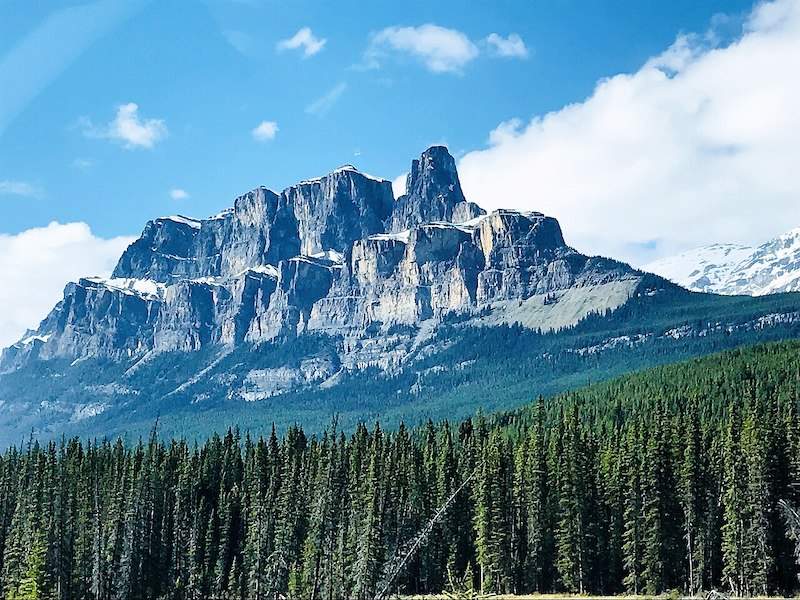
If you’re looking for the classic Canadian summer experience, Banff is difficult to beat.
Winter may attract skiers, but summer reveals an entirely different side of the national park.
The mountains remain snow-capped at higher elevations, yet valleys become lush and green. Wildflowers begin appearing beside hiking trails, and glacier-fed lakes return to their famous shades of turquoise.
It’s a destination that somehow exceeds expectations.
Even people who have seen hundreds of photographs often seem surprised when they arrive.
Summer activities include:
- Hiking
- Canoeing
- Wildlife spotting
- Scenic drives
- Mountain biking
- Gondola rides
One of the biggest advantages of visiting during summer is flexibility.
You don’t need to be an experienced adventurer to enjoy Banff. Some visitors spend their days tackling mountain trails. Others simply drive between viewpoints and lakes.
Both approaches work.
2. Lake Louise, Alberta
Few places capture the imagination quite like Lake Louise.
Summer is when the lake truly shows off.
As the ice melts, the water gradually returns to its famous turquoise colour. Against a backdrop of rugged peaks and glaciers, the scene feels almost too perfect to be real.
The shoreline becomes busy during peak season, but don’t let that discourage you.
There’s a reason so many people make the journey.
Early mornings are particularly rewarding.
The water is often calmer, reflections become more pronounced, and the surrounding mountains seem even more dramatic in the soft light.
Many travelers arrive expecting a quick photo stop.
Most end up staying far longer.
3. Jasper National Park, Alberta
Jasper offers many of the same natural attractions as Banff but often feels a little less hectic.
The landscapes remain spectacular.
Towering mountains, crystal-clear lakes, waterfalls, and wildlife are found throughout the park.
What changes is the atmosphere.
There’s more space.
More quiet.
A little more room to appreciate the scenery without constantly sharing it with large crowds.
Summer is the perfect season for exploring Jasper’s hiking trails, scenic viewpoints, and lakes.
Wildlife sightings are common too.
It’s not unusual to spot elk grazing near roadsides or bighorn sheep navigating rocky slopes.
The park also serves as an excellent base for travelers wanting to experience the Canadian Rockies at a slightly slower pace.
4. Drive the Icefields Parkway
Some destinations require days of exploration.
The Icefields Parkway proves that even a road can become a major attraction.
Stretching between Banff and Jasper, this route is often described as one of the most scenic drives in the world.
And for once, that description doesn’t feel exaggerated.
Every few kilometres seems to reveal another glacier, waterfall, mountain peak, or viewpoint.
You’ll tell yourself you won’t stop at every pullout.
Then you do.
The drive is especially beautiful during summer when roads are clear and hiking trails are fully accessible.
Many travelers plan three or four hours for the journey.
Most end up spending the entire day.
5. Vancouver Island, British Columbia
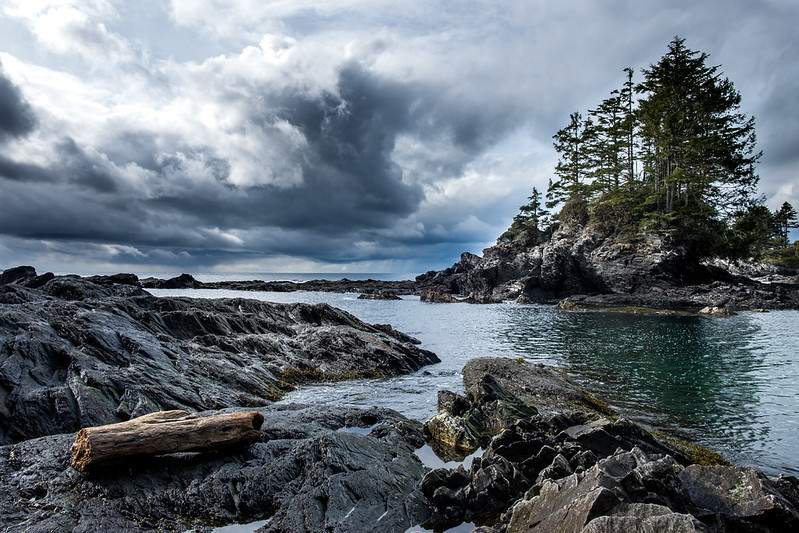
If the Rockies represent Canada’s mountain scenery, Vancouver Island showcases its coastal side.
Summer is arguably the island’s best season.
Temperatures remain pleasant, rainfall decreases, and outdoor activities are in full swing.
The island offers a little bit of everything:
- Coastal towns
- Beaches
- Rainforests
- Wildlife experiences
- Whale watching
- Scenic drives
Victoria provides a charming introduction with its waterfront setting and walkable streets.
Beyond the city, the island becomes increasingly wild.
This contrast is what makes Vancouver Island such a rewarding destination.
You can enjoy urban comforts in the morning and be surrounded by nature by the afternoon.
6. Tofino, British Columbia
There are plenty of beautiful coastal towns in Canada.
Few have developed the following that Tofino enjoys.
Located on Vancouver Island’s west coast, Tofino combines beaches, forests, and ocean scenery in a way that feels distinctly Canadian.
Summer brings ideal conditions for exploring.
Visitors spend their days surfing, kayaking, hiking, wildlife watching, or simply walking along beaches that seem to stretch endlessly into the distance.
What surprises many people is the atmosphere.
Despite its popularity, Tofino remains remarkably relaxed.
Nobody seems in a hurry.
That slower pace suits the setting perfectly.
Some destinations encourage you to do more.
Tofino encourages you to slow down.
7. Whistler, British Columbia
Many people associate Whistler with skiing.
Summer tells a different story.
As the snow disappears, mountain trails emerge, alpine meadows bloom, and the region becomes one of Canada’s top destinations for outdoor activities.
Mountain biking is particularly popular.
Whistler’s bike park attracts riders from around the world, but there are also plenty of options for beginners.
Hiking opportunities are equally impressive.
Trails lead to alpine lakes, mountain viewpoints, and wildflower-filled landscapes that feel completely different from the snowy images many people associate with the area.
The Peak 2 Peak Gondola remains one of the highlights.
Floating high above valleys and forests, it provides some of the most impressive views in British Columbia.
8. Prince Edward Island
Summer and Prince Edward Island seem made for each other.
Warm temperatures, fresh seafood, coastal scenery, and quiet country roads create an atmosphere that’s difficult to resist.
The island isn’t about dramatic mountains or huge cities.
Its appeal is subtler.
Red sandstone cliffs meet sandy beaches. Fishing boats bob gently in small harbours. Rolling farmland stretches across the landscape.
The pace feels noticeably slower than much of mainland Canada.
That’s part of the charm.
Many visitors arrive expecting to spend a day or two on the island.
Then they find themselves wishing they had planned a longer stay.
Summer is also the perfect time to explore the island’s famous cycling routes, coastal drives, and seafood restaurants.
Fresh lobster alone is enough to justify the trip for some travelers.
9. Cape Breton Highlands National Park, Nova Scotia
Some roads are simply a way to get from one place to another.
The Cabot Trail isn’t one of them.
Winding through Cape Breton Highlands National Park, this famous route delivers some of the most impressive coastal scenery in Canada. Mountains rise directly from the ocean, forests blanket the hillsides, and viewpoints seem to appear around every corner.
Summer is an ideal time to explore.
The roads are clear, hiking trails are fully accessible, and the surrounding landscape is at its greenest. Wildlife sightings are common too. Moose, bald eagles, and other native species regularly make appearances throughout the region.
One of the joys of Cape Breton is that it encourages you to slow down.
You might pull over for a quick photograph and end up spending twenty minutes staring out at the coastline.
Then it happens again a few kilometres later.
For travelers looking for one of the best places to visit in Canada during summer, Cape Breton consistently delivers.
10. Gros Morne National Park, Newfoundland and Labrador
Gros Morne feels different from almost anywhere else in Canada.
The landscape is rugged, dramatic, and occasionally a little difficult to describe.
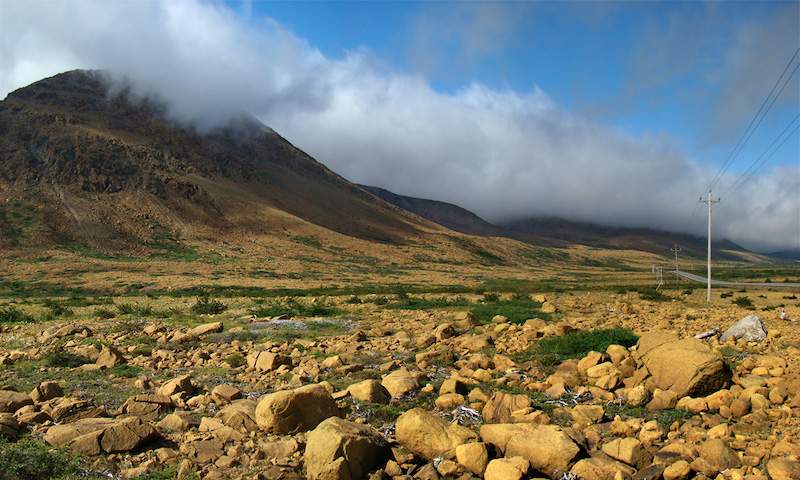
One moment you’re standing beside a fjord surrounded by towering cliffs. A short drive later you’re looking at the Tablelands, an unusual landscape that appears more suited to another planet than eastern Canada.
Summer is the perfect season to visit.
The weather is generally more predictable, hiking trails are accessible, and boat tours operate throughout the region.
One of the highlights is exploring Western Brook Pond, a freshwater fjord framed by steep cliffs and waterfalls.
Photographs capture the scale reasonably well.
Standing there in person is another matter entirely.
The scenery has a way of making you feel wonderfully insignificant.
11. Quebec City, Quebec
Summer transforms Quebec City.
The historic streets become livelier, outdoor cafés fill with people, and musicians often perform in public squares throughout Old Quebec.
The city already has plenty of charm.
Warm weather simply amplifies it.
Walking remains the best way to explore. The old town is filled with narrow streets, stone buildings, hidden courtyards, and viewpoints overlooking the St. Lawrence River.
There’s no need to rush.
In fact, Quebec City rewards those who don’t.
Spend time wandering without a plan. Stop for coffee. Browse independent shops. Sit in a square and watch the world go by.
That’s when the city tends to reveal its personality.
It’s one of the few places in North America where getting lost often improves the experience.
12. Montreal, Quebec
If Quebec City feels historic, Montreal feels energetic.
Summer is when the city truly comes alive.
Patios spill onto sidewalks. Festivals seem to appear every week. Parks fill with locals enjoying the long daylight hours.
The atmosphere is infectious.
Even visitors who don’t normally prioritise cities often find themselves extending their stay.
Food plays a major role in the experience.
You’ll find everything from iconic smoked meat sandwiches and bagels to world-class fine dining. Add a thriving arts scene and some of Canada’s most vibrant neighbourhoods, and it’s easy to understand the city’s appeal.
Montreal also strikes a nice balance.
It’s busy enough to feel exciting without becoming overwhelming.
That combination makes it one of the best places to go in Canada during summer.
13. Vancouver, British Columbia
There are few better times to visit Vancouver than summer.
The city seems designed for it.
Locals cycle along the seawall, beaches become gathering places, and outdoor dining takes over much of the waterfront.
What makes Vancouver unique is the combination of urban life and natural beauty.
You can spend the morning exploring museums or neighbourhood cafés and the afternoon hiking in the mountains or kayaking along the coast.
Stanley Park is particularly enjoyable during summer.
The seawall offers spectacular views of the city skyline, ocean, and surrounding mountains, while the park’s trails provide welcome shade on warmer days.
For travelers who enjoy having plenty of options, Vancouver rarely disappoints.
14. Yukon
Some destinations become more beautiful the farther you travel.
The Yukon is one of them.
Summer reveals a side of northern Canada that many people never experience. The snow has largely disappeared, roads are easier to navigate, and daylight stretches late into the evening.
Very late.
In parts of the Yukon, summer days can feel almost endless.
The landscape itself is extraordinary.
Mountains, rivers, forests, and wilderness extend in every direction. It’s the kind of place where you can drive for long stretches without seeing another vehicle.
For some people, that sounds intimidating.
For others, it’s exactly the attraction.
The Yukon appeals to travelers who enjoy road trips, hiking, wildlife, and wide-open spaces. It may not receive the same attention as Banff or Vancouver, but it often leaves a lasting impression.
15. Churchill, Manitoba
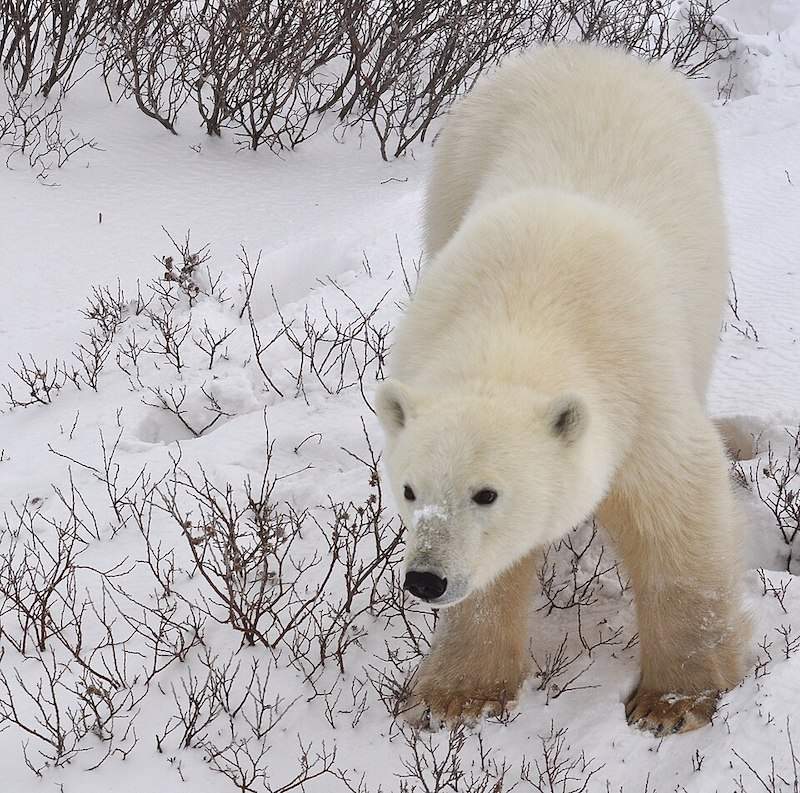
Most people associate Churchill with polar bears and winter.
Surprisingly, summer offers its own reasons to visit.
As the ice disappears from Hudson Bay, thousands of beluga whales arrive in the surrounding waters. Their numbers are so large that Churchill has become one of the best places in the world to see them.
Boat tours and kayaking excursions provide opportunities to observe these curious animals up close.
The experience feels very different from traditional wildlife viewing.
Belugas often seem genuinely interested in what’s happening around them.
Churchill also offers birdwatching opportunities and access to remote northern landscapes that few travelers ever experience.
It’s certainly not the easiest destination to reach.
Then again, some of Canada’s most memorable places rarely are.
Things to do in Canada during summer
One of the biggest advantages of visiting Canada in summer is the variety of activities available.
Whether you’re interested in adventure, wildlife, road trips, or cultural experiences, you’ll find plenty of options.
Some of the most popular summer activities include:
Hiking in the Rocky Mountains
Banff, Jasper, and Yoho National Park offer trails for every skill level, from short lakeside walks to challenging mountain hikes.
Canoeing on glacier-fed lakes
Paddling across Lake Louise or Moraine Lake provides a completely different perspective of these iconic destinations.
Whale watching
Vancouver Island remains one of the best places in Canada to see whales during summer.
Exploring national parks
Canada’s national parks are at their most accessible during the warmer months.
Scenic road trips
Routes such as the Icefields Parkway and Cabot Trail are particularly rewarding during summer.
Wildlife viewing
Summer increases your chances of spotting bears, elk, moose, whales, and countless bird species.
Enjoying festivals and outdoor events
Cities across the country host food festivals, music events, cultural celebrations, and outdoor markets throughout the season.
Travel tips for visiting Canada in summer
Summer may be one of the easiest times to travel in Canada, but a little planning still helps.
Book accommodation early
Popular destinations such as Banff, Jasper, Whistler, and Tofino fill up quickly during peak season.
Start your days early
Many famous attractions become significantly busier by late morning.
Early starts often mean better lighting, fewer crowds, and a more enjoyable experience.
Pack layers
Even during summer, temperatures can vary dramatically depending on location and elevation.
A warm afternoon can quickly turn into a cool evening.
Allow extra time for scenic drives
Road trips often take longer than expected.
Not because of traffic.
Because you’ll keep stopping for photographs.
Frequently asked questions
What is the best place to visit in Canada during summer?
Banff National Park consistently ranks among the most popular summer destinations thanks to its mountain scenery, lakes, and outdoor activities.
Which part of Canada is best in summer?
The Canadian Rockies, British Columbia, Atlantic Canada, and parts of Quebec are particularly rewarding during summer.
Is summer a good time to visit Canada?
Yes. Summer offers long daylight hours, excellent weather, open hiking trails, and ideal conditions for exploring much of the country.
What are the warmest places in Canada during summer?
Southern British Columbia, parts of Ontario, and regions of Quebec generally experience some of the warmest summer temperatures.
How many days do you need for a summer trip to Canada?
That depends on the region, but most visitors find that 10 to 14 days allows enough time to explore multiple destinations without feeling rushed.
Final thoughts
Summer has a way of changing how people see Canada.
Many arrive expecting mountains and lakes. They find those, of course. But they also discover coastal road trips, vibrant cities, whale-filled waters, remote northern wilderness, and landscapes that seem to stretch forever.
The country feels more accessible during the warmer months, yet it never loses its sense of scale.
You can spend two weeks exploring and still feel as though you’ve barely scratched the surface.
Whether you’re drawn to the turquoise lakes of Alberta, the rugged coastlines of Newfoundland, the forests of British Columbia, or the historic streets of Quebec City, summer reveals some of Canada’s very best experiences.
And while it’s impossible to see everything in a single trip, that’s part of the appeal.
Canada always seems to leave you with another destination to add to the list.