When most people think about Canada, they picture mountains, lakes, forests, and national parks.
That’s understandable.
After all, Canada is home to some of the most spectacular natural scenery on the planet.
But focusing only on the landscapes means missing another side of the country entirely.
Its cities.
From historic streets that feel more European than North American to modern waterfront skylines framed by mountains and oceans, Canada’s cities offer an incredible mix of culture, food, history, and outdoor adventure.
What’s interesting is that no two major Canadian cities feel quite the same.
Montreal has a personality all its own. Vancouver feels connected to nature in a way few large cities manage. Quebec City can feel like stepping back in time. Toronto thrives on diversity and constant reinvention.
That variety is part of the appeal.
The challenge isn’t finding a city worth visiting.
It’s deciding which one deserves your time first.
If you’re planning a trip and wondering which urban destinations belong on your itinerary, these are some of the best cities to visit in Canada.
Which city should you visit first in Canada?
If you’re visiting Canada for the first time, these cities are usually the strongest starting points.
| City | Best for |
| Vancouver | Nature and city life |
| Toronto | First-time visitors and diversity |
| Montreal | Food and culture |
| Quebec City | History and architecture |
| Calgary | Access to the Canadian Rockies |
| Victoria | Coastal scenery and relaxation |
The right choice depends on what kind of trip you’re planning.
Some travelers want museums, restaurants, and nightlife.
Others want mountains, waterfronts, and outdoor activities.
Fortunately, Canada’s cities often combine both.
1. Vancouver, British Columbia
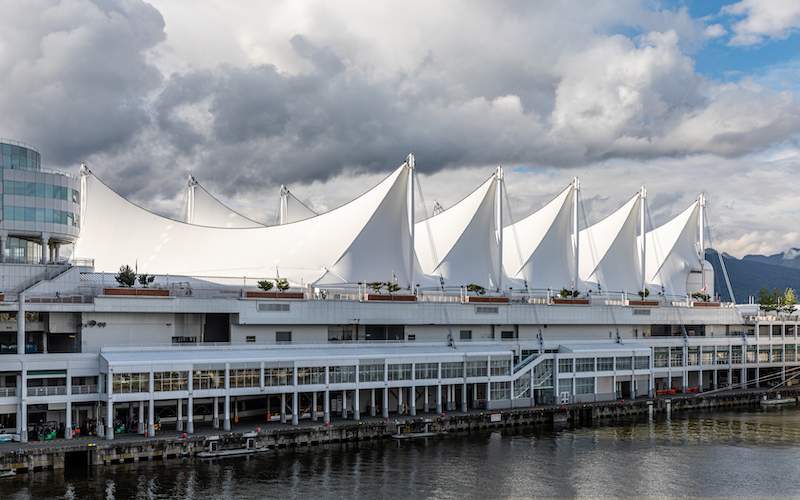
If someone asked me to recommend one Canadian city that offers a little bit of everything, Vancouver would probably be near the top of the list.
The setting alone makes it special.
Mountains rise behind the skyline. The Pacific Ocean borders the city. Forested parks seem to appear in every direction.
It’s one of those rare places where nature never feels far away.
You can spend the morning exploring neighbourhood cafés and the afternoon walking beside the ocean or hiking a mountain trail.
That balance is what makes Vancouver so appealing.
Stanley Park remains one of the city’s biggest highlights. Larger than New York’s Central Park, it offers cycling paths, waterfront views, beaches, and forested walking trails all within easy reach of downtown.
Then there are the neighbourhoods.
Gastown combines historic architecture with modern restaurants and boutiques. Yaletown brings a more contemporary feel, while Granville Island attracts visitors with markets, artisan shops, and food vendors.
Food deserves special mention too.
Thanks to Vancouver’s multicultural population and coastal location, you’ll find exceptional seafood alongside influences from across Asia and beyond.
The city isn’t cheap.
Locals will happily tell you that.
But for many visitors, the combination of scenery, culture, and outdoor opportunities makes Vancouver one of the best cities in Canada.
2. Toronto, Ontario
Toronto is often the first Canadian city international travelers encounter.
Many arrive expecting a financial centre with a few tourist attractions.
What they find is something far more interesting.
Toronto’s greatest strength is diversity.
More than half the city’s population was born outside Canada, and that cultural mix shapes everything from food and festivals to neighbourhoods and daily life.
Walking through Toronto can feel like visiting multiple cities at once.
A morning might begin in Kensington Market, continue through Chinatown, and end in Little Italy or Greektown.
Each area has its own character.
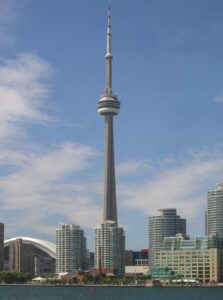
The city’s skyline is dominated by the CN Tower, one of Canada’s most recognizable landmarks. While it’s worth visiting, Toronto is arguably more rewarding at street level.
The best experiences often happen while wandering.
Discovering a new restaurant.
Exploring a neighbourhood you hadn’t planned to visit.
Stopping at a local market because something catches your eye.
Toronto also serves as an excellent base for exploring nearby destinations, including Niagara Falls, Prince Edward County, and the Niagara wine region.
For first-time visitors to Canada, it’s one of the easiest cities to enjoy.
3. Montreal, Quebec
Montreal feels different.
That’s usually the first thing people notice.
The city has an energy that’s difficult to define but easy to appreciate. French influences remain visible throughout daily life, giving Montreal a personality unlike anywhere else in North America.
The architecture helps.
Historic buildings line many streets, particularly in Old Montreal, where cobblestones and centuries-old structures create an atmosphere that feels wonderfully timeless.
Then there’s the food.
People talk about Montreal’s food scene with a level of enthusiasm usually reserved for much larger cities.
And honestly, the reputation is deserved.
Bagels, smoked meat sandwiches, bakeries, cafés, fine dining restaurants, food markets—the city takes eating seriously.
Visitors quickly learn to do the same.
What makes Montreal especially appealing is its balance.
It’s large enough to feel vibrant and exciting, yet compact enough that exploring never feels overwhelming.
During summer, terraces fill with people, festivals take over public spaces, and the city seems determined to spend as much time outdoors as possible.
You don’t just visit Montreal.
You settle into its rhythm.
4. Quebec City, Quebec
There are moments in Quebec City when you genuinely forget you’re in Canada.
The stone buildings, narrow streets, and historic squares feel more European than North American.
That’s not an accident.
Founded in the early 17th century, Quebec City is one of the oldest European settlements on the continent and remains one of Canada’s most distinctive destinations.
Old Quebec is the heart of the city.
Walking through the UNESCO-listed historic district feels like stepping into another era. Streets wind between centuries-old buildings, while churches, plazas, and fortifications tell stories that stretch back hundreds of years.
Unlike many modern cities, Quebec City rewards wandering.
Some of the most memorable discoveries happen when you leave the main attractions behind and simply explore.
A quiet side street.
A hidden courtyard.
A small café tucked inside a historic building.
The city feels especially magical during the evening, when lights illuminate the old stone architecture and crowds begin to thin.
For history lovers, it’s one of the best cities to visit in Canada.
For everyone else, it’s still difficult not to be charmed.
5. Ottawa, Ontario
Canada’s capital often gets overlooked.
Perhaps because it lacks the international profile of Toronto or Montreal.
That tends to work in Ottawa’s favour.
The city feels less hectic than many major capitals, yet it offers plenty to see and do.
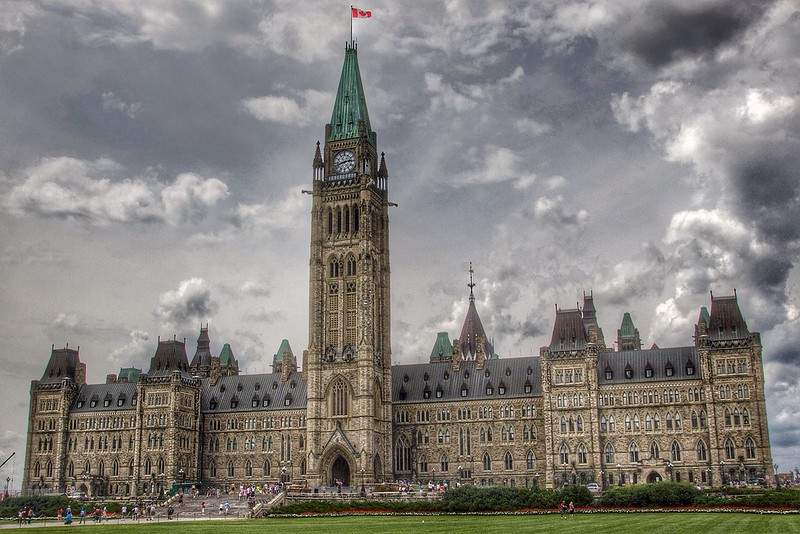
Parliament Hill is the obvious starting point.
The impressive government buildings overlook the Ottawa River and provide one of the country’s most iconic views.
But Ottawa is more than politics.
The city is home to some of Canada’s finest museums, including institutions dedicated to history, nature, aviation, and art.
Green space is another strength.
Walking and cycling paths follow rivers and canals throughout the city, creating a surprisingly relaxed atmosphere.
Then there’s the Rideau Canal.
In summer, it becomes a scenic waterfront corridor. In winter, it transforms into the world’s largest naturally frozen skating rink.
Few cities reinvent themselves quite so dramatically between seasons.
Ottawa may not always receive top billing on Canadian itineraries, but visitors often leave pleasantly surprised.
Sometimes the cities with the fewest expectations end up making the strongest impressions.
6. Victoria, British Columbia
Victoria often feels like a city that has figured out how to slow down without losing its energy.
Located on the southern tip of Vancouver Island, British Columbia’s capital combines coastal scenery, historic architecture, and a relaxed pace of life that many visitors find immediately appealing.
The waterfront is usually where people begin.
Fishing boats bob gently in the harbour. Seaplanes land and take off throughout the day. Street performers entertain crowds during the warmer months.
It’s a pleasant place to spend an afternoon doing very little.
And that’s meant as a compliment.
Victoria doesn’t demand a packed itinerary.
The city encourages wandering.
You might spend the morning exploring the Inner Harbour, stop for lunch at a local café, then find yourself strolling through colourful neighbourhoods without any particular destination in mind.
The famous Butchart Gardens sit just outside the city and are worth the trip, especially during spring and summer when flowers are in full bloom.
Food lovers also tend to do well here.
Fresh seafood, local produce, and a growing collection of independent restaurants give Victoria a food scene that’s impressive without feeling overly trendy.
For travelers looking for a city that’s scenic, walkable, and easy to enjoy, Victoria remains one of the best cities to visit in Canada.
7. Calgary, Alberta
Most travelers know Calgary as the gateway to Banff and the Canadian Rockies.
That’s certainly one reason to visit.
But the city deserves more attention in its own right.
Calgary has changed dramatically over the years. While its western roots remain an important part of its identity, the city has evolved into a modern urban destination with excellent restaurants, vibrant neighbourhoods, and plenty of outdoor space.
The Calgary Stampede remains its most famous event.
For ten days each summer, the city embraces rodeos, concerts, exhibitions, and celebrations that attract visitors from around the world.
Even outside Stampede season, Calgary has plenty to offer.
Neighbourhoods such as Kensington and Inglewood are filled with independent shops, cafés, breweries, and restaurants that showcase the city’s creative side.
Then there are the views.
On clear days, the Rocky Mountains appear on the horizon, serving as a constant reminder of what’s waiting just beyond the city.
Many people arrive planning to stay one night before heading to Banff.
Quite a few end up wishing they had stayed longer.
8. Halifax, Nova Scotia
Some cities win people over gradually.
Halifax usually doesn’t take that long.
The capital of Nova Scotia combines maritime history, coastal scenery, and a friendly atmosphere that feels instantly welcoming.
The waterfront is one of the city’s biggest attractions.
Boardwalks stretch along the harbour, lined with restaurants, shops, public art, and places to sit and watch the boats come and go.
It’s easy to spend hours here without realizing where the time went.
History is woven into daily life as well.
The star-shaped Halifax Citadel overlooks the city, while museums and heritage sites tell stories of immigration, trade, and the Atlantic Ocean’s influence on the region.
Then there’s the seafood.
Visitors rarely leave Halifax without eating lobster at least once.
Usually more than once.
The city also works well as a base for exploring Nova Scotia’s coastline, including the famous Peggy’s Cove and the Cabot Trail.
For travelers seeking a combination of history, culture, and ocean views, Halifax delivers all three.
9. St. John’s, Newfoundland and Labrador
There are Canadian cities.
Then there’s St. John’s.
Colourful row houses climb steep hillsides overlooking the Atlantic Ocean. Fishing boats move through the harbour. Wind seems to arrive from every direction at once.
The city feels wonderfully unique.
As one of North America’s oldest settlements, St. John’s has centuries of history behind it, but it never feels trapped in the past.
It’s lively, creative, and full of personality.
One of the highlights is Signal Hill, where sweeping views extend across the coastline and harbour.
Standing there on a windy day, it’s easy to appreciate how closely connected the city remains to the ocean.
The local culture is another reason people fall in love with St. John’s.
Music spills from pubs. Conversations feel genuine. Visitors are often struck by how welcoming the city feels.
It’s also one of the best places in Canada for whale watching and iceberg viewing during the right season.
Not many cities can offer both.
10. Winnipeg, Manitoba
Winnipeg rarely appears at the top of Canadian travel wish lists.
That’s a shame.
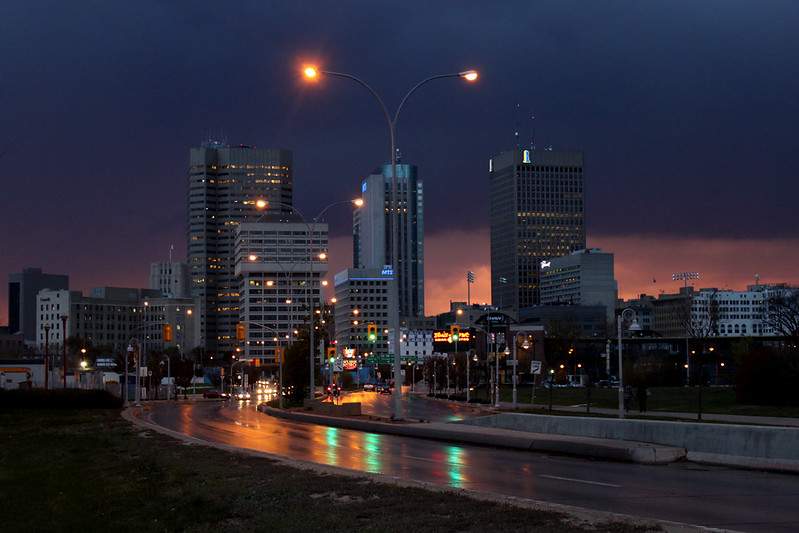
The city has quietly built a reputation as one of the country’s most interesting cultural destinations.
At first glance, Winnipeg may not seem as dramatic as Vancouver or Quebec City.
Spend a little time here, though, and its strengths become clear.
The Canadian Museum for Human Rights is one of the most impressive museums in the country, both architecturally and thematically.
The Forks, a historic meeting place at the junction of two rivers, has evolved into one of the city’s most popular gathering spaces.
Markets, restaurants, public events, and waterfront paths create an atmosphere that’s lively without feeling overwhelming.
Winnipeg also has a strong arts scene.
Theatres, galleries, festivals, and music venues contribute to a creative energy that surprises many first-time visitors.
Perhaps that’s the city’s greatest advantage.
Expectations are often modest.
The reality tends to be much more interesting.
11. Whitehorse, Yukon
Most cities are defined by what surrounds them.
In Whitehorse, that’s wilderness.
The Yukon capital sits among mountains, forests, and rivers that seem to stretch forever. Despite being the largest city in the territory, Whitehorse still feels closely connected to nature.
Step outside the city centre and it doesn’t take long before you’re surrounded by open landscapes.
That’s a big part of the appeal.
Visitors come here for hiking, wildlife viewing, canoeing, fishing, and northern lights experiences. Yet Whitehorse isn’t only about outdoor adventure.
The city also has a fascinating history shaped by the Klondike Gold Rush, Indigenous cultures, and its role as a northern transportation hub.
What surprises many travelers is how welcoming and relaxed it feels.
Life moves at a different pace here.
Conversations seem less hurried. The scenery feels bigger. Even the sky somehow appears larger.
For travelers looking to experience a different side of Canada, Whitehorse is difficult to forget.
12. Charlottetown, Prince Edward Island
Charlottetown may be small compared to most cities on this list, but size isn’t everything.
The capital of Prince Edward Island has a charm that’s hard to resist.
Historic buildings line the streets. Waterfront paths follow the harbour. Independent cafés, restaurants, and shops give the city plenty of character without making it feel crowded.
Charlottetown also occupies an important place in Canadian history.
It’s often referred to as the birthplace of Confederation because of the meetings held here in the 1860s that eventually helped shape modern Canada.
Fortunately, you don’t need to be a history enthusiast to enjoy it.
The city works equally well as a place to relax.
Spend a few hours walking through downtown, exploring the waterfront, and enjoying fresh seafood, and you’ll quickly understand why so many visitors end up extending their stay.
It’s one of those places that feels comfortable almost immediately.
13. Saskatoon, Saskatchewan
Saskatoon doesn’t always receive the attention it deserves.
Perhaps because it sits far from Canada’s major tourist routes.
That’s changing.
Over the past decade, the city has quietly developed a reputation for excellent food, cultural attractions, and a surprisingly attractive riverfront.
The South Saskatchewan River flows directly through the city, creating walking and cycling paths that connect many of its neighbourhoods.
During summer, the river becomes a focal point for daily life.
Locals gather in parks, patios fill up, and outdoor festivals bring extra energy to the city.
Saskatoon’s food scene is another pleasant surprise.
Restaurants increasingly focus on local ingredients and Prairie-inspired cuisine, creating a dining experience that’s distinct from larger Canadian cities.
It’s not usually a destination people visit because it’s famous.
They visit because they’re curious.
And curiosity tends to be rewarded.
14. Kelowna, British Columbia
Ask Canadians where they’d like to spend a sunny summer weekend and Kelowna often appears somewhere on the list.
Located in British Columbia’s Okanagan Valley, the city enjoys a climate that feels noticeably different from much of the country.
Warm summers, vineyards, orchards, and lakes create an atmosphere that almost feels Mediterranean at times.
Almost.
Okanagan Lake is the centrepiece.
The waterfront attracts swimmers, paddleboarders, cyclists, and anyone looking to enjoy the sunshine.
Wine plays a major role in the region too.
The surrounding valley is home to some of Canada’s best wineries, making Kelowna particularly popular with food and wine lovers.
The city also offers easy access to hiking trails, golf courses, and mountain activities.
That combination of outdoor recreation and relaxed lifestyle has helped Kelowna become one of the fastest-growing destinations in the country.
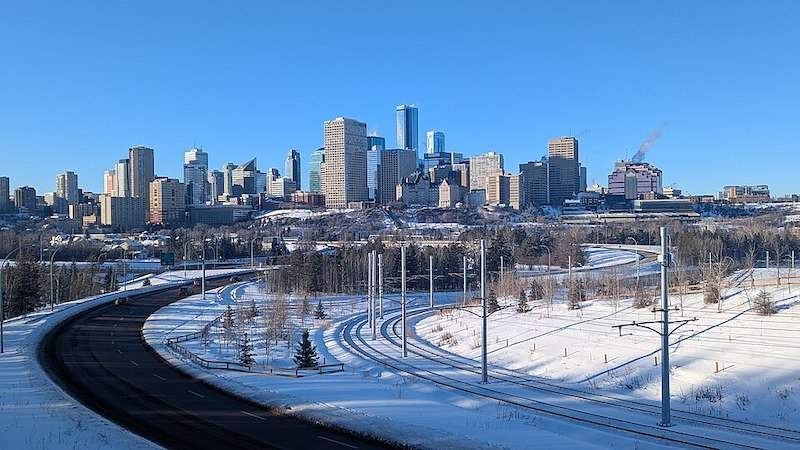
15. Edmonton, Alberta
Edmonton often lives in Calgary’s shadow when it comes to tourism.
That doesn’t tell the full story.
Alberta’s capital has built a strong identity around festivals, culture, and green spaces.
In fact, Edmonton hosts more festivals than almost any other Canadian city.
Summer alone brings music festivals, food events, cultural celebrations, and outdoor performances that keep the city buzzing.
Then there’s the river valley.
Many visitors are surprised to discover that Edmonton has one of the largest urban park systems in North America. Walking and cycling trails wind through green spaces that feel far removed from the city’s downtown skyline.
The city is also home to West Edmonton Mall, one of the largest shopping and entertainment complexes in the world.
Some people come for the shopping.
Others simply want to see a place where indoor amusement parks and water parks somehow coexist under one roof.
Edmonton may not be the most obvious choice on this list, but it’s certainly more interesting than many people expect.
Best Canadian cities for different travel styles
Not every traveler is looking for the same experience.
Choosing the right city often depends on what matters most to you.
Best for first-time visitors
If you’re visiting Canada for the first time, these cities provide a strong introduction:
- Toronto
- Vancouver
- Montreal
- Quebec City
Each offers a different perspective on the country while remaining easy to explore.
Best for food lovers
Canada’s food scene has improved dramatically over the past decade.
Top choices include:
- Montreal
- Toronto
- Vancouver
- Halifax
These cities combine local specialties with global influences.
Best for history lovers
If you’re interested in heritage, architecture, and historical sites, consider:
- Quebec City
- Ottawa
- Halifax
- St. John’s
Each tells a different chapter of Canada’s story.
Best for outdoor adventures
Some cities provide easy access to nature without requiring long journeys.
The strongest options include:
- Vancouver
- Calgary
- Victoria
- Whitehorse
Outdoor activities are never far away.
Best for coastal scenery
For ocean views and maritime charm, look at:
- Victoria
- Halifax
- St. John’s
Each city offers a completely different coastal experience.
So, which is the best city to visit in Canada?
The answer depends entirely on what you’re looking for.
That’s probably not the simple answer you wanted, but it’s the honest one.
Canada doesn’t really have a single “best” city.
Instead, it has cities that excel at different things.
If you want a city surrounded by natural beauty, Vancouver is hard to beat.
If food and culture matter most, Montreal deserves serious consideration.
For history and atmosphere, Quebec City stands out.
If you’re planning a Rockies adventure, Calgary makes perfect sense.
And if you’re looking for something more unexpected, cities such as Halifax, St. John’s, Whitehorse, and Kelowna offer experiences that feel completely different from the country’s larger urban centres.
The good news is that there are very few wrong choices.
How many Canadian cities should you visit on one trip?
This depends on how much time you have.
One week
Focus on one city and its surrounding region.
Examples:
- Vancouver and Vancouver Island
- Toronto and Niagara Falls
- Montreal and Quebec City
Two weeks
Two or three cities usually works well.
For example:
- Toronto, Ottawa, Montreal, and Quebec City
- Vancouver, Victoria, and Whistler
Three weeks or more
At this point, you can comfortably combine multiple regions without feeling rushed.
The key is remembering that Canada is vast.
Distances between cities can be much greater than many international visitors expect.
Frequently asked questions
What is the best city to visit in Canada?
Vancouver, Montreal, Toronto, and Quebec City are often considered the best cities to visit in Canada, though the right choice depends on your interests.
What is the most beautiful city in Canada?
Many travelers consider Vancouver the most beautiful because of its combination of mountains, ocean, and urban scenery. Quebec City and Victoria are also strong contenders.
Which Canadian city is best for first-time visitors?
Toronto and Vancouver are often the easiest choices for first-time visitors thanks to their international connections, attractions, and accessibility.
What is Canada’s most walkable city?
Quebec City, Victoria, and parts of Montreal are particularly enjoyable to explore on foot.
Which city has the best food in Canada?
Montreal, Toronto, and Vancouver are generally regarded as Canada’s top food destinations.
Which city should nature lovers visit?
Vancouver, Calgary, Victoria, and Whitehorse provide excellent access to outdoor adventures and natural scenery.
Final thoughts
One of the most interesting things about traveling through Canada is how quickly the character of the country changes from one city to the next.
A few days in Vancouver feels completely different from a few days in Montreal.
Quebec City offers experiences that bear little resemblance to Toronto.
St. John’s, Whitehorse, Halifax, and Kelowna each tell their own story.
That’s what makes exploring Canada’s cities so rewarding.
You’re not simply moving between urban centres.
You’re experiencing different cultures, landscapes, histories, and ways of life.
Whether you’re drawn to the energy of Toronto, the food scene in Montreal, the coastal charm of Victoria, or the mountain backdrop of Vancouver, the best cities in Canada all have something unique to offer.
And chances are, whichever city you choose first won’t be your last.
Canada has a habit of convincing people to come back for more.