Mosquito season in the Dominican Republic runs from May to November, peaking during September and October when humidity and rainfall create ideal breeding conditions. The mosquitoes carry dengue fever (most common risk), with malaria risk being low. Protection requires DEET-based repellent (30-50%), long sleeves at dawn and dusk, and staying in air-conditioned accommodations. Dengue cases increased in 2024 but dropped 85% in 2025 due to national prevention campaigns.
Let me tell you about the time I stood next to a grumpy mule in the Dominican Republic mountains, getting absolutely devoured by mosquitoes while stuck in the mud. I counted over 40 bites on my legs alone by the end of that trip. Forty. And that’s just the ones I could count without contorting myself into weird positions.
I learned about Dominican Republic mosquitoes the hard way—by showing up completely unprepared during peak mosquito season, wearing shorts and a tank top, with zero bug spray. Rookie mistake. Actually, multiple rookie mistakes all at once.
The whole disaster is documented in my worst vacation ever story, but today I’m going to focus specifically on mosquitoes. Because if there’s one thing I learned from that trip, it’s that mosquitoes in the Dominican Republic are no joke, and you need to be prepared.
This isn’t me being dramatic or overcautious. These mosquitoes can carry actual diseases, and even if they don’t make you sick, the sheer number of bites can make you miserable. But here’s the good news: with the right knowledge and preparation, you can protect yourself effectively.
When Is Mosquito Season in the Dominican Republic?
If you take away nothing else from this guide, remember this: mosquito season in the Dominican Republic runs from May to November, coinciding with the rainy season.
But not all months within that window are created equal. The worst months are September and October, when rainfall peaks, humidity is at its highest, and standing water—prime mosquito breeding territory—is everywhere. This is when I made the mistake of visiting, and trust me, it showed.
July through November is when mosquitoes are most active overall. The combination of increased rain, higher temperatures, and humidity creates perfect conditions for these little vampires to thrive and multiply.
The “Dry Season” Isn’t Mosquito-Free
Now, before you assume that visiting from December through April means you won’t encounter any mosquitoes at all, let me set that straight. You will still find mosquitoes during the dry season—they exist year-round in the Dominican Republic—but the numbers are significantly lower.
Multiple travelers report encountering mosquitoes even in January, February, and March, just not in the overwhelming swarms you’ll face during peak season. Think of it as the difference between occasional annoying buzzing and a full-scale assault.
If you’re trying to time your visit to avoid mosquitoes, the best months are December through April—not because mosquitoes disappear, but because their numbers are manageable with basic precautions.
Time of Day Matters Too
Here’s something I wish I’d known: the mosquitoes that transmit dengue fever (Aedes aegypti) are most active during daylight hours, particularly in the hours after sunrise and before sunset.
This is different from malaria-carrying mosquitoes, which bite primarily at night. So you can’t just slather on bug spray in the evening and call it good—you need protection throughout the day.
Dawn and dusk are the prime feeding times, which means your sunset beach walk or early morning coffee on the balcony are prime mosquito attack opportunities. Plan accordingly.
Mosquito-Borne Diseases: What’s Actually at Risk
Okay, let’s talk about the scary part—the diseases. But let’s also keep this in perspective and talk about actual risk levels, not just worst-case scenarios.
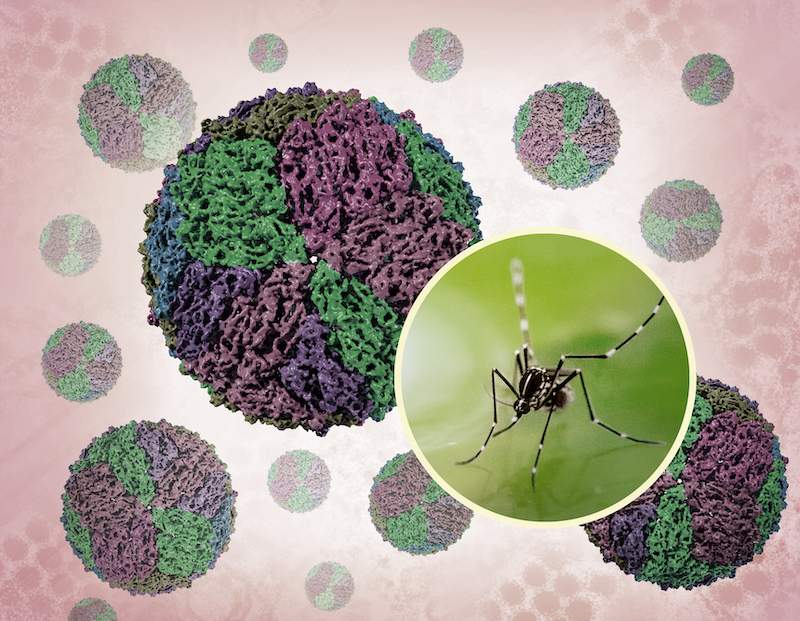
Dengue Fever (Highest Risk)
Dengue is the most common mosquito-borne disease you need to worry about in the Dominican Republic. It’s transmitted by Aedes aegypti mosquitoes, and cases occur year-round but increase significantly during the rainy season.
In 2024, the Dominican Republic experienced a spike in dengue cases. However, a national prevention campaign in 2025 reduced infections by over 85%, which is actually pretty impressive. Still, dengue remains a real concern.
Dengue Symptoms:
- High fever (up to 104°F/40°C)
- Severe headache
- Pain behind the eyes
- Muscle and joint pain (it’s called “breakbone fever” for a reason)
- Nausea and vomiting
- Skin rash (appears 2-5 days after fever starts)
- Mild bleeding (nosebleeds, gum bleeding)
Most people recover within 1-2 weeks. There’s no specific medication for dengue—treatment is supportive care, rest, fluids, and paracetamol for fever. And here’s something important: if you get dengue, do NOT take aspirin or ibuprofen. These can increase bleeding risk. Stick to acetaminophen (paracetamol).
Severe dengue is rare but serious, with symptoms including persistent vomiting, severe abdominal pain, bleeding, and difficulty breathing. If these develop, get to a hospital immediately.
Malaria (Low Risk)
Here’s where I can offer some reassurance: malaria risk in the Dominican Republic is low. Like, really low.
When I was standing in that mosquito swarm convinced I was about to contract malaria, I was being overly dramatic. The CDC doesn’t even recommend antimalarial medication for most tourists visiting the Dominican Republic.
Malaria transmission does occur in certain provinces—primarily rural areas including parts of La Altagracia Province (where Punta Cana is), San Pedro de Macorís, and along the Haitian border. But cases among tourists are extremely rare.
The last major outbreak was in 2018, and since then, malaria has been well-controlled. Resort areas in particular have minimal to no malaria risk.
That said, if you’re planning extended time in rural areas or near the border, talk to a travel medicine doctor about whether you should take prophylactic antimalarials. For typical tourist visits to beach resorts and major attractions? You’re probably fine without them.
Zika Virus (Currently Low Risk)
Remember the Zika scare a few years ago? Zika transmission has dropped dramatically in the Dominican Republic. As of recent reports, Zika hasn’t been detected in the country for several years.
However, pregnant women or women planning to become pregnant should still be cautious, as Zika can cause serious birth defects. If you’re pregnant, consult your doctor before traveling to any tropical destination, including the DR.
Chikungunya (Occasional Cases)
Chikungunya is similar to dengue in symptoms—fever, joint pain, headache, rash—but the joint pain can be particularly severe and sometimes persists for months.
Cases occur sporadically in the Dominican Republic, but it’s much less common than dengue. The prevention is the same: avoid mosquito bites.
Best Mosquito Repellents That Actually Work
Let’s get practical. You need bug spray. Not the natural lavender-scented stuff that makes you feel good about yourself but doesn’t actually work. I’m talking about real, chemical, mosquito-killing repellent.
DEET-Based Repellents (Most Effective)
DEET is the gold standard for mosquito protection, and it’s what the CDC recommends for tropical destinations. Yes, it smells chemical-y. Yes, it feels slightly oily. But it works.
Concentration matters:
- 20-30% DEET: Good for moderate mosquito activity, lasts 4-6 hours
- 30-50% DEET: Best for heavy mosquito areas like the DR during rainy season, lasts 6-8+ hours
- Over 50% DEET: Generally unnecessary—you don’t get much additional protection beyond 50%
Specific products travelers recommend for the DR:
- OFF! Deep Woods (25-30% DEET) – the dark green cans
- Ultrathon Cream (33% DEET) – travel size available, less oily than sprays
- Repel 100 (98% DEET) – nuclear option for extreme conditions
- Jungle Formula Maximum (50% DEET) – pump spray, easier to control application
Apply DEET to all exposed skin. Reapply every 6-8 hours, or more frequently if you’re sweating heavily or swimming.
Picaridin (Great DEET Alternative)
If you can’t stand DEET or have skin sensitivity to it, picaridin is an excellent alternative. It’s odorless, non-greasy, and studies show it’s just as effective as DEET.
Picaridin (also called icaridin) at 20% concentration provides protection for up to 7 hours. It doesn’t damage plastics or synthetic fabrics the way DEET can, which is a nice bonus.
Recommended picaridin products include Sawyer Premium Insect Repellent and Natrapel.
Natural Repellents (Limited Effectiveness)
I’m going to be honest with you—natural repellents like citronella, lemon eucalyptus oil, and various essential oil blends are better than nothing, but they’re not going to cut it in the Dominican Republic during mosquito season.
Oil of lemon eucalyptus (OLE) is the one exception. It’s plant-based but actually provides decent protection—about 2-3 hours. Products like Repel Lemon Eucalyptus work reasonably well for mild mosquito exposure.
But if you’re visiting during September or venturing into jungles for adventure activities, skip the natural stuff and go straight to DEET or picaridin. Save the natural repellents for your backyard barbecue.
Where to Buy Repellent
You can buy mosquito repellent in the Dominican Republic—most resorts sell it, and pharmacies stock various brands. However, it’s typically overpriced, and the selection might be limited or not what you’re familiar with.
My recommendation? Bring multiple bottles from home. Seriously, multiple. You’ll go through it faster than you think if you’re applying it several times daily.
What to Wear to Avoid Bites
Bug spray alone isn’t enough—your clothing choices matter too. And yes, I know it sounds counterintuitive to wear long sleeves in a tropical paradise, but hear me out.
Clothing as a Physical Barrier
Mosquitoes can bite through tight, thin fabrics, so you want loose-fitting, lightweight clothing that covers your skin. The key is finding fabrics that are breathable enough that you won’t die of heat stroke.
Ideal mosquito-proof clothing:
- Long, loose pants made from lightweight cotton or performance fabrics
- Long-sleeved shirts in light colors (mosquitoes are attracted to dark colors)
- Socks and closed shoes for evenings
- Light-colored clothing (mosquitoes see dark colors more easily)
I made the mistake of wearing shorts and tank tops the entire trip because “it’s a beach vacation.” And I paid for it with dozens of bites. If I’d just covered up during dawn and dusk—prime mosquito feeding times—I could have avoided half of them.
Permethrin-Treated Clothing
For an extra layer of protection, you can treat your clothing with permethrin, an insect repellent that bonds to fabric and lasts through multiple washes.
You can buy pre-treated clothing from brands like ExOfficio and Insect Shield, or buy permethrin spray (like Sawyer Permethrin) and treat your own clothes. Apply it to pants, shirts, socks, and even hats—just not directly to skin.
One treatment lasts through about 6 washes, making it practical for longer trips.
Resort vs. Adventure Travel: Different Strategies
If you’re staying at an all-inclusive resort on the beach, you can probably get away with more casual clothing and heavier reliance on repellent. Resorts typically fumigate daily and have good mosquito control.
But if you’re doing what I did—venturing into mountains, jungles, or rural areas for excursions—you need to be more serious about covering up. That waterfall adventure? Yeah, I should have worn long, lightweight pants and a long-sleeved shirt instead of my swimsuit and nothing else.
Additional Protection Strategies
Bug spray and proper clothing are your foundation, but there are other tactics to minimize mosquito exposure.
Choose Air-Conditioned Accommodations
Air conditioning serves double duty: it keeps you cool, and mosquitoes hate it. Cold, moving air makes it difficult for them to fly and locate targets.
If air conditioning isn’t available, use fans. Mosquitoes are weak fliers, and a strong fan can actually keep them away from you.
Mosquito Nets
If you’re staying somewhere without air conditioning—or if you’re particularly paranoid like I’ve become—a mosquito net over your bed is excellent protection while sleeping.
You can buy portable mosquito nets that pack down small for travel. Even better, look for nets pre-treated with permethrin for added protection.
Avoid Standing Water
Mosquitoes breed in standing water, so avoid areas with pools of stagnant water—puddles, containers, even plant saucers. This is especially relevant if you’re renting a villa or staying in accommodations with outdoor areas.
After heavy rain, mosquito populations explode about 3-4 days later once the eggs hatch. Keep this in mind when planning excursions.
Time Your Activities Wisely
Since mosquitoes are most active at dawn and dusk, try to schedule indoor activities during these times when possible. Enjoy your breakfast inside, then head out mid-morning. Come back before sunset to shower and have dinner.
Obviously this isn’t always practical—sometimes the sunset beach walk is the whole point. Just be extra diligent about protection during these high-risk times.
What to Do if You Get Bitten (A Lot)
Despite your best efforts, you’re probably going to get some bites. If you’re like me and get absolutely massacred, here’s how to manage the aftermath.
Immediate Treatment
Don’t scratch. I know, I know, easier said than done. But scratching makes everything worse—the itching intensifies, bites can get infected, and you’ll end up with scars. When you’re asleep and can’t control yourself, that’s when the real damage happens.
Clean the bites: Wash with soap and water to reduce infection risk.
Apply anti-itch treatments:
- Hydrocortisone cream (1%) – reduces inflammation and itching
- Calamine lotion – old school but it works
- Antihistamine cream or oral antihistamines – for more severe reactions
- Ice or cold compress – numbs the area and reduces swelling
After Bite or similar ammonia-based products can provide quick relief when applied immediately after bites.
When to See a Doctor
Most mosquito bites are just annoying. But sometimes you need medical attention:
- Signs of infection (increased redness, warmth, pus, red streaks)
- Extreme swelling
- Fever developing 3-14 days after bites
- Severe headache, body aches, or eye pain (possible dengue)
- Any signs of severe allergic reaction
If you develop fever within two weeks of mosquito exposure in the DR, see a doctor and mention your travel history. Dengue symptoms can start suddenly and get worse quickly.
Long-Term Bite Management
Those 40+ bites I had? They took weeks to fully heal, and some left marks for months. Here’s what helped:
Keep taking antihistamines even after the worst itching subsides—it helps with lingering inflammation. Keep affected areas moisturized. And maybe wear pants for a while so you’re not constantly reminded of your mosquito trauma every time you look at your legs.
Your Complete Mosquito Protection Packing List
Here’s everything you should pack for mosquito protection in the Dominican Republic:
Repellents
- 2-3 bottles of DEET spray (30-50%) or picaridin
- Roll-on or cream DEET for face application
- Permethrin spray for treating clothing
- Natural backup option if you want variety
Clothing
- Lightweight long pants (at least 2 pairs)
- Long-sleeved shirts (light colors)
- Socks for evening wear
- Light-colored closed-toe shoes
Bite Treatment
- Hydrocortisone cream 1%
- Antihistamine tablets (like Benadryl or Claritin)
- After Bite or similar ammonia stick
- Calamine lotion
- Band-aids (in case you scratch bites open)
Additional Items
- Portable mosquito net (if accommodation doesn’t have one)
- Battery-powered or rechargeable fan
- Mosquito repellent wristbands (limited effectiveness but can’t hurt)
Resort Mosquito Control: What to Expect
Most Dominican Republic resorts—especially larger all-inclusive properties—have daily mosquito control measures in place. This typically includes:
- Regular fumigation of grounds
- Eliminating standing water
- Using mosquito repellent plants in landscaping
- Providing bug spray at front desk or in rooms
- Screening on windows and doors
This means mosquito exposure at your resort is generally much lower than in surrounding areas. You’ll notice the difference the moment you leave resort property for excursions.
However, “much lower” doesn’t mean “zero.” Resorts near swamps, mangroves, or jungle areas will naturally have more mosquitoes despite control efforts. And after heavy rains, even the best-maintained resorts will see temporary increases in mosquito activity.
Special Considerations for Different Travelers
Families with Children
DEET is safe for children over 2 months old, though you might want to use lower concentrations (10-30%) for young kids. Apply it to your own hands first, then rub it on children, avoiding their hands, eyes, and mouth.
For babies under 2 months, stick to physical barriers—clothing, mosquito netting, screened areas. Picaridin is also safe for children and might be preferable if you’re concerned about DEET.
Pregnant Women
Given the risks associated with Zika (even though current risk is low), pregnant women should be especially vigilant about mosquito protection. DEET and picaridin are both considered safe during pregnancy.
Consult your doctor before traveling to any tropical destination while pregnant.
Sensitive Skin
If you have sensitive skin or eczema, DEET can be irritating. Try picaridin instead, or apply DEET to clothing rather than skin.
Test any new product on a small area before applying it everywhere, especially if you have known sensitivities.
Common Mistakes That Make It Worse
Learn from my many, many mistakes:
Mistake #1: Applying repellent once and forgetting about it. You need to reapply every 6-8 hours, and more often if sweating or swimming.
Mistake #2: Only applying to arms and legs. Mosquitoes will find any exposed skin. Don’t forget ankles, neck, ears, and even the top of your feet if wearing sandals.
Mistake #3: Thinking resort = no mosquitoes. Resorts have fewer mosquitoes, not zero mosquitoes.
Mistake #4: Waiting until you get there to think about protection. Bring everything from home so you’re prepared from day one.
Mistake #5: Wearing dark clothing. Mosquitoes are attracted to dark colors, especially black and navy blue.
Mistake #6: Scratching bites. This is how bites get infected and leave scars.
Mistake #7: Assuming you’ll be fine because you never get bitten at home. Tropical mosquitoes are a different beast entirely.
The Reality Check
Look, I don’t want to scare you off from visiting the Dominican Republic. Despite my mosquito nightmare, it’s an incredible destination with so much to offer—from stunning waterfalls to beautiful beaches to amazing adventure activities.
Most people visit the DR and don’t have major mosquito problems, especially if they:
- Visit during the dry season (December-April)
- Stay at well-maintained resorts
- Use proper protection
- Cover up at dawn and dusk
My experience was extreme because I made multiple mistakes simultaneously: visited during the worst month, did jungle excursions without proper protection, wore inappropriate clothing, and brought zero bug spray.
Don’t be me. Be the smarter version of me that I wish I’d been.
Frequently Asked Questions
Do I really need mosquito repellent in the Dominican Republic?
Yes, absolutely. Even during the dry season, mosquitoes are present and some carry dengue fever. The risk versus reward calculation is simple: bringing bug spray costs maybe $20 and takes up minimal luggage space, while not bringing it could result in dozens of bites or even dengue. Always bring repellent.
What’s the best month to visit to avoid mosquitoes?
February is typically the best month—it’s the driest month of the year with minimal rainfall and the lowest mosquito populations. January, March, and April are also good options. Avoid September and October if possible, as these are the absolute worst months for mosquitoes.
Can I get malaria from mosquitoes in the Dominican Republic?
Malaria risk is very low in the Dominican Republic, and the CDC doesn’t recommend antimalarial medication for most tourists. The last major outbreak was in 2018. While transmission does occur in some rural areas, it’s extremely rare among visitors staying in resort areas and major tourist destinations. Dengue is a much bigger concern.
What percentage of DEET should I use?
For the Dominican Republic during mosquito season, use 30-50% DEET. This provides 6-8+ hours of protection. Higher concentrations don’t offer significantly more protection, just longer duration. If you’re sensitive to DEET, 20% picaridin is an effective alternative.
What are the symptoms of dengue fever?
Dengue symptoms typically appear 4-7 days after being bitten and include high fever (up to 104°F), severe headache, pain behind the eyes, muscle and joint pain, nausea, vomiting, and rash. Most people recover in 1-2 weeks with rest and fluids. However, if you develop severe abdominal pain, persistent vomiting, or bleeding, seek immediate medical attention as these indicate severe dengue.
Should I avoid the Dominican Republic during mosquito season?
Not necessarily. Many people visit during rainy season without issues, especially if they take proper precautions. You’ll often find better prices and smaller crowds. However, if you’re particularly sensitive to bug bites, pregnant, or traveling with young children, the dry season (December-April) is a safer bet. It really depends on your risk tolerance and how well you prepare.
Do all resorts fumigate for mosquitoes?
Most major resorts in the Dominican Republic have daily or weekly fumigation and mosquito control programs, but practices vary. All-inclusive resorts typically have better mosquito control than smaller hotels or vacation rentals. Ask about mosquito control measures when booking, especially if traveling during rainy season.
Final Thoughts: Don’t Let Mosquitoes Ruin Your Trip
My Dominican Republic mosquito experience was bad. Like, really bad. But it was entirely preventable with proper preparation and timing.
The irony is that despite the mosquito nightmare, I still had one of the best adventure days of my life at the waterfalls. The DR is genuinely worth visiting—you just need to be smart about mosquito protection.
Pack the right repellent, wear appropriate clothing, time your visit wisely, and you’ll be fine. The mosquitoes are aggressive, yes, but they’re not invincible. A bottle of DEET and some basic precautions will go a long way.
And if you do make the same mistakes I made, well, at least you’ll have a good story to tell at parties.
Just maybe don’t schedule those parties until after all the bites have healed.